2026 Best Packing Covers for Global Buyers?
Choosing the 2026 best Packing Covers requires more than comparing prices or glossy product photos. Global buyers face varied cargo, climates, transport methods, and packaging rules. A pallet cover used in Rotterdam may need different protection from one shipped through humid Southeast Asia. Dust, rain, ultraviolet exposure, abrasion, and sudden temperature changes can all damage exposed goods.
Industry reports support this wider view. Smithers’ The Future of Global Packaging to 2028 identifies material efficiency, sustainability, and performance as major packaging priorities. The DHL Logistics Trend Radar also highlights resilient, transparent, and environmentally responsible logistics systems. Meanwhile, the World Bank’s Logistics Performance Index shows how infrastructure and shipment reliability vary between markets. These differences directly affect cover selection, storage planning, and delivery risk.
This guide evaluates Packing Covers through practical buyer criteria. These include tear resistance, waterproofing, closure design, reusability, load compatibility, and documented material specifications. A thick cover is not automatically better. It may add freight weight, increase handling time, or create unnecessary waste. A low-cost cover can also fail when sharp pallet edges puncture weak seams.
Real conditions matter.
The best choice depends on the product, route, warehouse, and handling process. Buyers should request test data, sample units, and supplier traceability before placing large orders. Certifications can improve confidence, but they should be checked against the actual material and application. No ranking is perfect. Supplier claims can be incomplete, and product performance may change between batches. Careful testing remains essential for reliable global purchasing in 2026.
What Packing Covers Are and Why Global Buyers Need Them
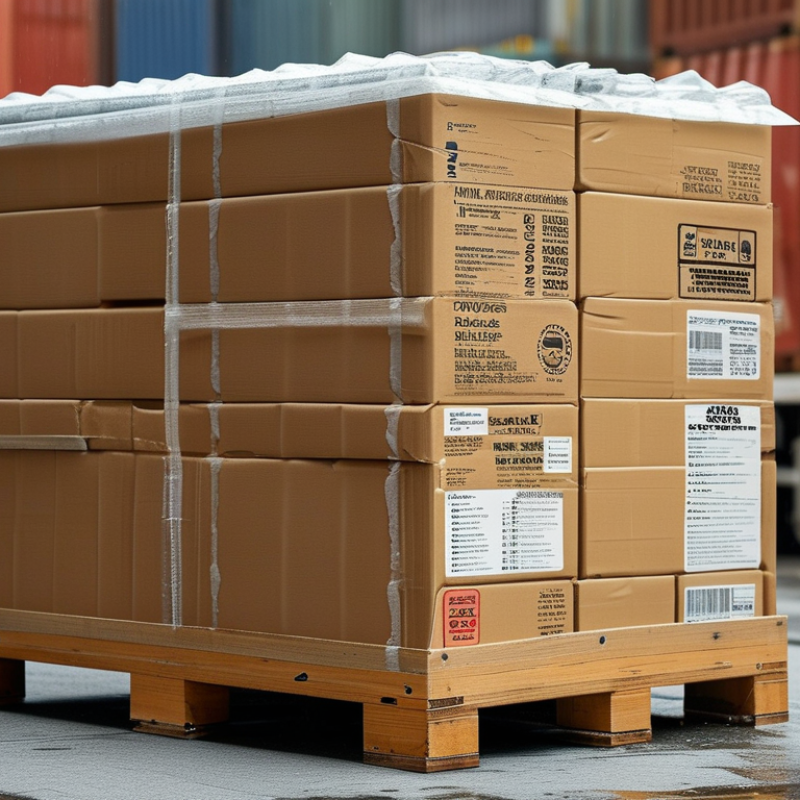
Packing covers are protective sheets or fitted enclosures used over goods during storage, handling, and transport. They shield cartons, pallets, machinery, furniture, and spare parts from dust, moisture, sunlight, and surface scratches. Common options include woven fabric, coated textiles, clear plastic, and breathable technical materials. Each choice has limits. A fully sealed cover can trap condensation in humid ports. A light fabric may tear against sharp pallet edges. In warehouse checks, poor sizing often creates loose corners that catch on forklifts. This detail matters. Buyers should compare thickness, seam strength, closure design, and water resistance, not only price. Ask for measured samples when possible. A cover should fit without excessive slack and leave access to labels, lifting points, and ventilation areas.
Global buyers need packing covers because cargo may cross several climates and handling systems before delivery. A shipment can leave a dry warehouse, face sea spray, then wait in a hot terminal. The right cover reduces cleaning, repacking, and avoidable damage claims. It also helps teams identify cargo and inspect it without removing every protective layer. Specifications should state length, width, height, material weight, UV performance, temperature range, and reuse expectations. Buyers should confirm packing methods with their logistics provider, especially for oversized or irregular loads. Do not assume “waterproof” means suitable for long outdoor exposure. Covers may look correct on paper but fail after repeated folding. Real use can be less gentle than a product sheet suggests. Small trials and inspection photos provide more dependable evidence than promises alone.
Key Materials and Designs Used in Packing Covers
2026 Best Packing Covers for Global Buyers?
Packing covers now serve more than a protective function. They control moisture, dust, abrasion, and handling damage during long international shipments. Material selection should match the cargo, climate, and storage period.
Woven polypropylene offers strong tear resistance with relatively low weight. It suits sacks, machinery covers, and pallet protection. Polyethylene film provides better moisture resistance, especially in humid ports or outdoor storage areas. For heavier goods, laminated fabric adds stiffness and helps prevent punctures. Recycled fibers can reduce material use, but buyers should check consistency, tensile strength, and odor before ordering.
Design details often determine real performance. Reinforced seams, heat-sealed edges, and rust-resistant eyelets improve durability. Drawstrings work well for irregular loads, while hook-and-loop closures allow faster access. Transparent panels help workers identify contents without opening the cover. Ventilation openings may reduce condensation, but poorly placed vents can admit rain. Small details matter.
In practical testing, I recommend checking tear strength, seam strength, water resistance, and folding performance. Test samples under cold, heat, and repeated handling. A cover that performs well in a warehouse may fail on a wet loading dock. No design is perfect. Thicker fabric may protect better, yet it can increase freight weight and storage space. This trade-off deserves careful review.
How to Compare Packing Covers for Different Products
2026 Best Packing Covers for Global Buyers?
When comparing packing covers, match the cover to the product’s real risks. Food items need moisture control, clean surfaces, and suitable oxygen barriers. Metal parts need abrasion protection and corrosion resistance. Furniture usually needs impact cushioning, strong seams, and enough flexibility for corners. Electronics require dust control and static protection. One material cannot serve every shipment well.
Check four measurable factors: barrier performance, tensile strength, closure quality, and packing efficiency. Smithers’ The Future of Global Packaging to 2028 forecasts the global packaging market will exceed 1.2 trillion dollars by 2028. That growth increases material choices, but it also makes technical comparison harder. Ask suppliers for test values, not attractive samples. Review thickness, tear strength, seal temperature, and performance after temperature changes. Small differences matter.
Use recognized testing methods where possible. ISTA transport tests can reveal damage from drops, vibration, and compression. UNEP’s Global Waste Management Outlook 2024 estimates municipal solid waste may rise from 2.1 billion tonnes in 2023 to 3.8 billion tonnes by 2050. Reusable or recyclable covers may reduce waste, but only when collection systems actually exist. This is often overlooked. A thinner cover may reduce material use, yet fail during humid storage or rough handling. I have seen packaging decisions focus on unit price and ignore replacement costs. Compare total delivered cost, product loss, labor time, and disposal requirements. The cheapest cover is not always the most reliable one.
2026 Best Packing Covers for Global Buyers: How to Compare Covers for Different Products
This comparison uses a practical 1–5 requirement scale. Higher scores indicate a stronger need for moisture protection, puncture resistance, or airflow. Use the profile of the packed product, transport conditions, and storage environment to select the most suitable packing cover.
General buying guidance: moisture-sensitive products usually require sealed polyethylene or laminated covers; sharp or heavy products need stronger puncture-resistant structures; fresh produce and moisture-releasing goods require breathable or ventilated covers.
International Standards, Safety, and Environmental Requirements
Global buyers now judge packing covers by more than price and appearance. They examine safety, traceability, and environmental impact. ISO 780:2015 provides internationally recognized handling symbols for packaged goods. These symbols should remain visible after covering. A strong cover also needs tested tear resistance, seam strength, moisture protection, and secure fastening. Loose film can obstruct forklifts or create trip hazards. Small details matter.
Environmental pressure is rising. Eurostat reported 186.5 kilograms of packaging waste per person in the European Union in 2022. UNEP’s 2023 Turning off the Tap report found that plastic pollution could be reduced by 80% by 2040 through reuse, recycling, and better product design. Buyers should request recycled-content evidence, material declarations, and practical reuse instructions. “Recyclable” alone proves little. A multilayer cover may protect cargo well but remain difficult to recycle. That contradiction needs honest review.
International shipments also face changing documentation expectations. ISO 18601 and related standards encourage life-cycle thinking in packaging design. Covers should avoid unnecessary material, support repeated use, and protect goods during handling and storage. Ask suppliers for batch records, test methods, and photographs of real loading conditions. Check performance in rain, heat, and warehouse dust. Laboratory results help, but they are not the whole story. A cover can pass a factory test and still fail during a long, rough voyage. That uncomfortable possibility deserves attention.
Buying, Shipping, and Supplier Evaluation Checklist for 2026
For global buyers, packing covers should be judged beyond appearance. Check fabric weight, tear resistance, water resistance, stitching quality, and edge reinforcement. Ask for exact measurements, tolerance ranges, and clear product drawings. A cover that fits loosely may flap during transport and damage both cargo and itself. Request samples before placing a bulk order. Test them around pallets, cartons, or machinery with similar shapes.
Shipping details need equal attention. Confirm folded dimensions, gross weight, carton quantities, and loading plans before signing an order. These details affect freight costs and warehouse space. Discuss labeling, packing lists, inspection timing, and delivery responsibilities in writing. Ask whether the supplier can provide batch records and material specifications. Small documentation gaps become expensive at busy ports.
Supplier evaluation requires more than a polished catalog. Review production capacity, seam equipment, quality controls, and response times. Speak with technical staff, not only sales contacts. Ask how they handle failed samples and late deliveries. A factory should explain its corrective process clearly. I would also compare two or three samples under rain, friction, and repeated folding. The cheapest option may fail first. That lesson is easy to overlook. Some specifications will remain uncertain until real loading conditions expose them. Keep a trial order modest, record every defect, and revise the checklist before scaling.