

OPEN FROM 9AM TO 5PM – CLOSED ON WEEKENDS
In 2026, buyers comparing Garden Sun Screen Netting suppliers need more than a low quote and attractive product photos. Yet supplier pages do not always explain how shade ratings, mesh construction, and UV treatment affect performance outdoors. That sounds simple. It isn’t. A net installed above a vegetable bed faces different demands from one stretched over a patio or greenhouse. Wind, sunlight, and fastening points all matter.
For buyers, useful comparisons begin with clear specifications: shade percentage, material, available widths, edge reinforcement, and expected service life. The listed figures help, but they are not the whole story. Ask suppliers how they test UV resistance and whether they can provide product data, samples, or references from similar projects. A small sample can reveal stiffness, weave consistency, and finishing quality before a larger order. It may not predict years of exposure, though, so keep that limitation in mind. Not every supplier explains performance in the same way. Price matters. But replacement costs, delivery timing, and responsive support can change the value of a deal. This guide introduces leading suppliers and practical points for evaluating their offers, from product range to customization and communication. The aim is not to declare one universal winner. A suitable choice depends on climate, installation, budget, and the area being covered. Expect trade-offs. Specifications can still leave room for interpretation, and careful questions are part of buying well.
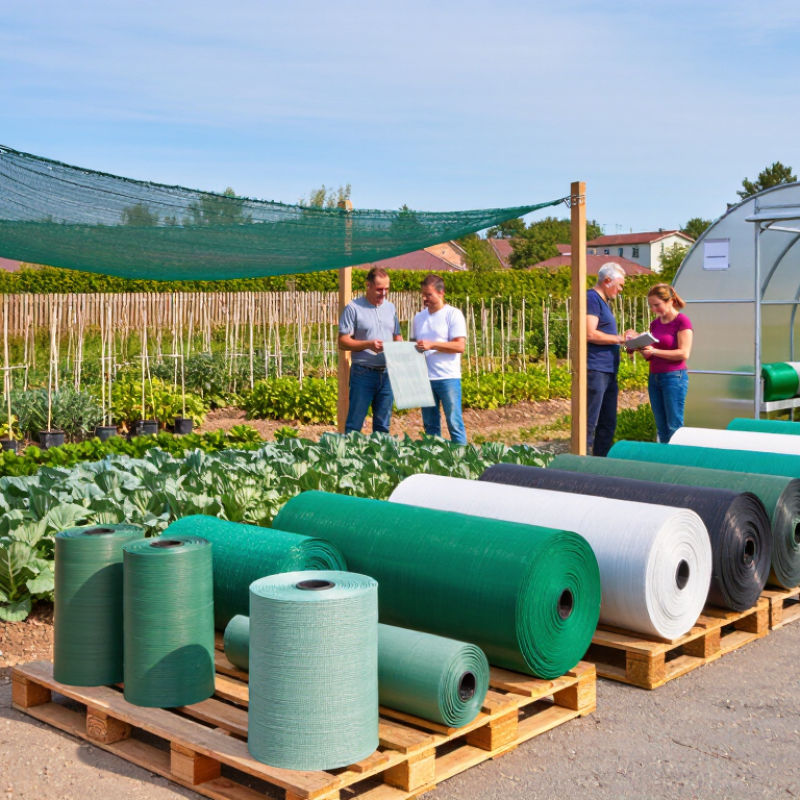
Garden sun screen netting is a woven or knitted fabric that filters sunlight while allowing air to move through. It can reduce leaf scorch and help keep soil from drying too quickly during hot weather. Shade ratings describe how much light the netting blocks, but the best level depends on the crop and local conditions. Lettuce and young seedlings often benefit from stronger afternoon protection than established, sun-loving tomatoes. Shade helps. Yet too much can slow growth and reduce flowering. When comparing netting, check the stated shade rating, dimensions, and UV-resistance information rather than judging by color alone.
In a small garden, netting can cover a raised bed, greenhouse side, or sunny patio trellis. Secure it above the plants, leaving space for airflow and room for leaves to grow. Watch the bed at different times of day: a west-facing row may need more afternoon shade than a spot under morning sun. One limitation is that a fixed cover cannot respond to changing weather. I have seen gardeners leave it in place through cool, cloudy weeks, when plants may need more light. Adjust or remove the cover when conditions change, and inspect ties after windy days. A loose edge can flap against tender leaves. Not every bed needs it.
2026 Top Garden Sun Screen Netting Suppliers for Buyers
Comparing Netting Types, Materials, and Performance Specifications
Garden shade netting varies by weave, material, and intended use. Knitted polyethylene is flexible and resists fraying when cut, while woven netting often holds a more regular shape. Both can work well; the right choice depends on crop, climate, and installation. Shade ratings commonly range from about 30% to 90%. Higher shade is not automatically better. Leafy greens may need different light levels than young seedlings.
Compare the stated shade percentage with mesh size, fabric weight, UV treatment, and tensile strength. A heavier net can feel durable, but weight alone does not prove it will last outdoors. Check whether specifications describe the finished fabric or raw material. Wind permeability matters, too. Fine mesh can block more sun, yet catch stronger gusts if poorly secured. Details matter. Ask for sample dimensions and test data, and confirm how edges and seams are finished. I sometimes find product sheets unclear; that is worth questioning before a bulk order.
Tips: Match shade rating to the crop’s light needs, then test a small area during the hottest part of the day. Check airflow beneath the net and inspect attachment points after windy weather. Keep records. A simple thermometer and photos can reveal whether the selected net is helping—or creating too much shade.
Comparing representative shade-factor ranges by netting type
Shade factor is the approximate percentage of sunlight blocked. Knitted and woven polyethylene products are available in a range of shade ratings, while reflective aluminized nets are designed to reflect some incoming solar radiation. These ranges are indicative market options, not universal product specifications; confirm shade factor, UV stabilization, mesh construction, and warranty details in each supplier’s datasheet.
Mapping the 2026 garden sun screen netting supplier landscape starts with local growing conditions, not a universal supplier ranking. The World Meteorological Organization’s State of the Global Climate 2024 report estimated global mean temperature at 1.55°C above the 1850–1900 average. That figure signals rising heat pressure, but it does not predict conditions at any individual farm. Buyers should compare suppliers by crop, exposure, and installation scale. The market typically includes local fabricators, regional agricultural-mesh producers, and export-oriented manufacturers offering broader customization.
Ask for shade percentage, mesh aperture, fabric weight, UV-stabilization details, roll width, and edge-reinforcement options. Request the test method behind each specification; percentages from different suppliers may not be directly comparable. A dense weave can reduce harsh afternoon light, yet also limit airflow. The right balance is easy to misjudge from a product sheet alone. Samples tested over a representative growing area can reveal sagging, glare, or uneven shade before a larger order.
Tips: Request a sample. Check dimensions and stitching. Confirm replacement availability, lead time, and minimum order quantity in writing. Keep one specification sheet for every quotation.
When evaluating garden sun screen netting suppliers, look beyond advertised shade percentages. Ask for the mesh weight, material composition, UV-treatment details, and test methods. A consistent weave helps reduce uneven sunlight and weak spots. Inspect a physical sample for frayed edges, loose threads, and clear differences in mesh spacing. Small details matter. A sample, however, cannot prove how a full production run will perform.
Customization should match the growing area, not just the order form. Confirm finished dimensions, edge reinforcement, grommet spacing, color options, and packaging before approving production. Ask whether the supplier can provide a marked drawing or sample cut to size. For larger orders, request checks on multiple rolls. This takes time, but can reveal variation that one sample misses. Shade needs also differ by crop and climate, so a single percentage is rarely right for every site.
Service becomes visible when specifications change or delivery dates tighten. Reliable suppliers answer technical questions clearly, share realistic lead times, and explain how they handle defects. Request written confirmation of agreed specifications and inspection steps. Not always. Even a careful supplier may face delays, so build a little schedule flexibility into purchasing plans. A low quote can still cost more if replacements arrive late or communication stalls.
Supplier categories below are buying profiles, not named or ranked companies. Product specifications and services vary by supplier; verify them for each quotation.
| Supplier Profile | Quality Factors to Verify | Customization to Ask About | Service Considerations | Best Suited For |
|---|---|---|---|---|
| Shade-net manufacturer | Request material details, UV-stabilization information, shade-rating test method, mesh construction, and batch consistency records. Check a physical sample before ordering. | Ask whether the supplier can make the required shade rating, roll width and length, color, edge reinforcement, and packaging. | Confirm production lead time, minimum order quantity, sample availability, inspection options, and how defects are handled. | Buyers needing repeat orders, larger volumes, or specifications made to order. |
| Netting converter or fabricator | Check the base fabric specification and inspect stitching, hems, seams, and attachment points on finished panels. | Ask about cut-to-size panels, reinforced borders, sewn hems, grommet placement, and other finishing options. | Confirm drawing or measurement approval, production tolerances, sample-panel timing, and packing method. | Projects that need finished panels for a garden, patio, greenhouse, or other defined installation. |
| Horticultural netting specialist | Ask for product guidance on shade level, airflow, intended use, and installation conditions. Request available product data and care instructions. | Check the range of shade ratings, roll formats, colors, and accessories available for growing or garden applications. | Evaluate application support, clear installation guidance, stock availability, and access to replacement material. | Gardeners and growers who value product selection and use-case advice. |
| Wholesale distributor | Compare product labels and specifications across stock items. Ask who made the netting and request supporting documents where needed. | Customization may be limited to stocked roll sizes, colors, or standard finishing; confirm before purchase. | Check local inventory, order processing, freight terms, return conditions, and restocking availability. | Buyers prioritizing readily available stock and straightforward replenishment. |
| Made-to-measure shade-system supplier | Review the specified net material alongside seams, edge construction, attachment hardware, and compatibility with the proposed support structure. | Ask about site measurements, panel shapes, edge finishing, fixing points, and whether installation components are included. | Confirm measurement responsibility, approval drawings, installation support, delivery scope, and warranty terms in writing. | Buyers with non-standard spaces or projects requiring coordinated panels and fittings. |
Buyer checklist: Compare like-for-like specifications, including shade rating and its test basis, material and UV-stabilization details, finished dimensions, edge construction, sample quality, lead time, and written after-sales terms. Do not treat a shade percentage or service claim as standardized unless the supplier explains how it is measured or provided.
Request itemized quotes for garden sun screen netting, not just a price per roll. Specify width, length, shade level, mesh density, edge finish, and packaging. Ask whether the quoted specifications are measured or nominal. Small details matter. Confirm minimum order quantity, production time, quote validity, and shipping costs in writing.
Request a sample before approving a larger order. Check that its color, weave, stitching, and grommets match the quote. View it outdoors in direct sunlight, then measure the sample yourself. A small swatch cannot show how a full roll behaves under tension. That is an easy detail to miss. For shipping, confirm roll lengths, package weights, dispatch date, freight method, and tracking arrangements. Ask for packing photos and a packing list before dispatch.
When the shipment arrives, measure several rolls and compare their shade and construction with the approved sample. Check for uneven edges, loose stitching, or damaged grommets. Keep the quote, sample, and order details together. If something differs, take dated photos and contact the supplier promptly. Clear records help, though they do not prevent every mismatch.

