

OPEN FROM 9AM TO 5PM – CLOSED ON WEEKENDS
Modern Lights can shape how a room feels long before anyone notices the furniture. The right pendant can make a dining table feel inviting, while a slim floor lamp can soften a shadowy reading corner. Yet a striking design is only part of the decision. Brightness, color temperature, materials, room size, and ease of cleaning all affect daily comfort.
This guide explores 10 modern lighting options for different rooms, budgets, and styles in 2026. The selections focus on useful details: the kind of light each fixture provides, where it may work best, and what to check before buying. A compact apartment may need a flush mount that leaves visual space, while a high-ceilinged entry can handle a larger statement fixture. Small details matter. Look for clear product specifications, compatible bulbs, and installation requirements, especially when replacing an existing fixture.
There is no single best light for every home. A warm glow that feels restful in a bedroom may seem too dim above a kitchen counter. Personal taste matters, too, and a photo rarely shows how a finish looks at night. That can be frustrating. Use these recommendations as a practical starting point, then compare measurements and lighting needs with your own rooms. A thoughtful choice should look good—and still feel right on an ordinary evening.
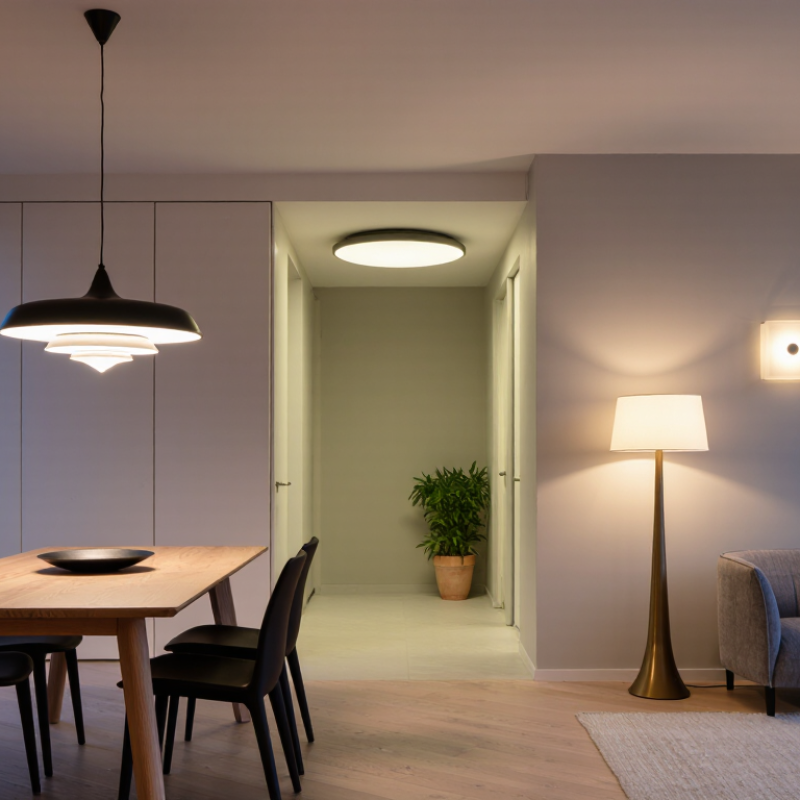
In 2026, modern lighting works best when it responds to how each room is used. A bright ceiling fixture can help with cleaning, but it may feel harsh during dinner. Layered light gives a home more flexibility: combine general illumination with a reading lamp, under-cabinet lights, or a soft accent near artwork. In a small apartment, wall-mounted fixtures can free up valuable table space. Choose shades and finishes that suit the room, but check their size against the furniture. A beautiful light can still feel awkward if it overwhelms the table.
Comfort matters as much as appearance. Dimmable LEDs let households adjust brightness for cooking, reading, or winding down. For kitchens and work areas, aim for clear, even light that limits shadows and glare. Bedrooms and living rooms often feel more relaxed with warmer-toned bulbs. Smart controls can be useful, though simple switches are easier for some households. There is no perfect setup for every home, and even careful plans may need adjustment after living with the light.
Tips: Check the fixture’s recommended bulb type and room suitability before buying. Test light levels at night, not just in a bright showroom. In bathrooms or other damp areas, select fixtures rated for the location, and ask a qualified electrician about installation when wiring changes are needed.
Choosing a modern light fixture starts with the room, not the trend. Measure ceiling height, table width, and the clearance around doors or cabinets. A pendant that looks balanced online may feel crowded above a narrow kitchen island. Scale matters. In smaller rooms, compact fixtures can keep sightlines open, while a larger dining table may need a wider pendant or several evenly spaced lights. Check the fixture’s dimensions before buying; product photos rarely show how much visual space it occupies.
Consider how the room is used throughout the day. Ambient lighting fills the space, while task lighting helps with cooking, reading, or desk work. A layered plan is usually more comfortable than relying on one bright ceiling light. Check brightness, bulb compatibility, and color temperature, and choose dimming only if the fixture and control support it. Warm light can feel inviting in a bedroom, while clearer light may help at a kitchen counter. Test samples when possible. Color can surprise you.
Material and maintenance matter too. Glass shades show dust, and intricate surfaces can take longer to clean. In bathrooms or covered outdoor areas, verify that the fixture is rated for the location and expected moisture. Installation needs attention as well: heavy fixtures may require suitable ceiling support and professional help. I once underestimated how a low-hanging shade would interrupt conversation across a table. It looked elegant, but the daily experience was less ideal. Leave enough clearance, and think about how the light feels from a seated position.
Compare common modern fixture types by typical use, approximate LED output, and practical selection checks. Actual light output and power use vary by product and design.
| Fixture Type | Best-Suited Areas | Typical LED Output | Common Color Temperature | What to Consider |
|---|---|---|---|---|
| Recessed Downlights | Kitchens, hallways, bathrooms, and general room lighting | About 600–1,100 lumens per light; commonly 7–15 watts | 2700–3000 K for a warm feel; 3000–4000 K for task-focused spaces | Check ceiling clearance, insulation-contact rating where relevant, beam angle, glare control, and whether the light is dimmable. |
| Flush-Mount Ceiling Lights | Bedrooms, entryways, closets, and rooms with lower ceilings | About 1,000–2,500 lumens; commonly 12–30 watts | 2700–3000 K for comfortable ambient lighting | Choose a size suited to the room, and check fixture depth, light diffusion, and access for cleaning or maintenance. |
| Semi-Flush Ceiling Lights | Living rooms, bedrooms, and dining areas with moderate ceiling height | About 1,000–2,500 lumens; commonly 12–30 watts | 2700–3000 K for warm, everyday use | Allow adequate head clearance and consider whether the fixture directs light upward, downward, or both. |
| Single Pendant Lights | Kitchen islands, breakfast bars, bedside areas, and entryways | About 400–1,200 lumens; commonly 5–15 watts | 2700–3000 K for dining and living; 3000–3500 K for food-preparation areas | Check hanging height, shade glare, and whether one pendant provides enough coverage or needs to be paired with other lighting. |
| Linear Pendant Lights | Kitchen islands, dining tables, and long work surfaces | About 1,500–4,000 lumens; commonly 20–50 watts | 3000–3500 K for clear task lighting; 2700–3000 K for a warmer dining atmosphere | Match the fixture length to the surface, confirm even light distribution, and verify that its suspension height suits the room. |
| Modern Chandeliers | Dining rooms, living rooms, stairwells, and larger entryways | About 1,500–4,000 lumens combined; output depends on the number and type of light sources | 2700–3000 K for a warm, welcoming effect | Consider room scale, ceiling height, total light output, dimming compatibility, and whether supplemental lighting is needed. |
| Wall Sconces | Hallways, bedrooms, bathrooms, and living-room accent lighting | About 300–800 lumens per fixture; commonly 4–10 watts | 2700–3000 K for ambient or accent lighting | Check mounting position, light direction, and whether the shade shields the source from direct eye contact. Use damp- or wet-rated fixtures where required. |
| Floor Lamps | Living-room reading corners, bedrooms, and flexible task lighting | About 800–1,800 lumens; commonly 9–20 watts | 2700–3000 K for relaxing; 3000–4000 K for focused reading | Look for a stable base, suitable reach, adjustable direction for reading, and a switch that is easy to access. |
| Under-Cabinet Lights | Kitchen counters, pantry shelves, and work areas | About 100–300 lumens per 12 inches of fixture; output varies by product | 3000–4000 K for clear countertop visibility | Check for even coverage, low glare, color consistency between sections, and accessible controls or a compatible dimmer. |
| Track Lighting | Living rooms, kitchens, galleries, and flexible accent lighting | About 500–1,000 lumens per head; commonly 5–12 watts per head | 2700–3000 K for warm accents; 3000–4000 K for clearer task lighting | Confirm track and head compatibility, aiming range, beam spread, and whether the system can be dimmed as installed. |
Selection note: Lumens indicate light output; watts indicate energy use. For most homes, consider layered lighting, dimming where useful, and a color-rendering index (CRI) of 80 or higher; CRI 90 or higher can help colors appear more natural.
Modern ceiling, pendant, and wall lights work best as a coordinated layer, not a matching set. A flush ceiling fixture can spread soft ambient light across a hallway or low-ceiling room. In a kitchen, a pendant above the island brings useful task lighting closer to the work surface. Check its height carefully; an attractive fixture can still block sightlines. Small details matter.
Wall lights add gentle light beside a bed, mirror, or reading chair, while reducing reliance on one bright overhead source. For comfortable evenings, many rooms suit warm-white light around 2700–3000 kelvins. Dimmers help adjust brightness as daylight fades. They are useful, but not magic; poor placement can still leave shadows on a page or countertop.
Efficiency matters, too. The U.S. Department of Energy reports that LED bulbs use at least 75 percent less energy and last up to 25 times longer than incandescent bulbs. That makes LEDs a practical choice for frequently used ceiling and wall fixtures.
Before buying, check the fixture’s bulb compatibility, dimmer support, and room scale. A pendant that looks balanced in a catalog may feel oversized above a small table. There is no single perfect formula; test the light in the room, then adjust.
Modern lighting works best when each fixture has a clear job. For a desk or kitchen counter, choose an adjustable task light that directs illumination onto the work surface, not into your eyes. A movable arm helps when the task shifts from reading to chopping. Neutral white light can make details easier to see, though some people find it too cool for evening use. Try it in the room before settling on a bulb. Small change, big difference.
Accent lights add shape and depth. A narrow beam can bring out the texture of a brick wall, while a shaded lamp softens a dark corner. Dimmers are useful here, especially in rooms that serve several purposes. Keep the effect restrained: one bright artwork and three competing spotlights can feel restless. I still misjudge beam spread sometimes. A sample bulb or adjustable fixture can prevent an expensive lighting regret.
For patios, steps, and garden paths, look for fixtures rated for the location’s exposure to rain and moisture. Shielded wall lights can illuminate a doorway without sending harsh glare across the yard. Path lights should reveal edges, not imitate a runway. Check where shadows fall after installation, and keep light away from bedroom windows where possible. The ideal outdoor setup feels reassuring, not theatrical.
Lighting works best when it answers the room’s daily needs. In kitchens, combine bright ceiling fixtures with focused light over counters, so chopping food does not leave your hands in shadow. Keep it practical. For bedrooms, choose softer, dimmable light near the bed; in hallways, even illumination helps reveal steps and edges. Match finishes to the home’s style, but let comfort guide the final choice.
Budget need not mean poor performance. The U.S. Department of Energy’s Energy Saver guidance says LEDs use at least 75% less energy than incandescent bulbs and can last up to 25 times longer. Check the fixture’s bulb compatibility and replacement cost before buying. The Illuminating Engineering Society’s residential lighting recommendations also emphasize planning light for specific activities, rather than relying on one fixture for everything. A small table lamp may solve a reading problem better than an expensive ceiling feature. And honestly, rooms can still feel wrong after installation; test the light at night before committing to several matching fixtures.
Illustrative U.S. purchase-price ranges by fixture type and room. Prices exclude installation and vary with size, materials, and finish.
Use these ranges as a starting point: layer ambient, task, and accent lighting, and check fixture dimensions and bulb compatibility before buying.

