

OPEN FROM 9AM TO 5PM – CLOSED ON WEEKENDS

What Is the Best PPR Heater Machine in China?

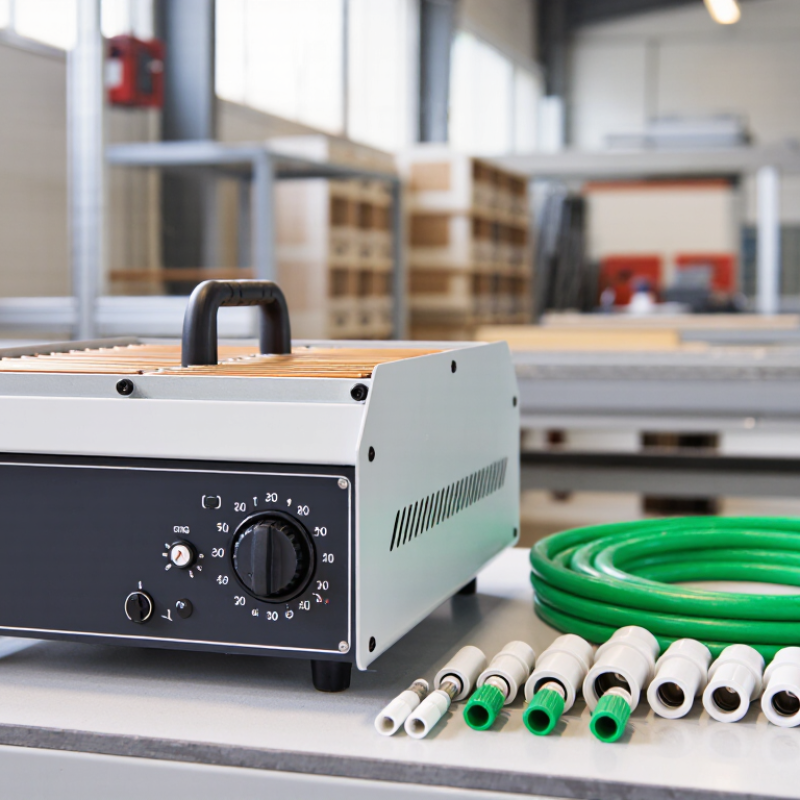
Choosing the best Ppr Heater Machine in China requires more than comparing prices or polished product photos. The right machine should deliver stable heat, accurate socket alignment, and clean welds across repeated installation tasks. In practice, installers notice small details first: a readable temperature dial, a firm handle, an even heating plate, and a cable that survives daily movement. These features affect safety and joint quality.

A reliable Chinese manufacturer should provide clear technical specifications, inspection records, user instructions, and responsive after-sales support. Buyers should verify heating range, power rating, compatible pipe sizes, plug standards, and replacement-part availability. Factory experience also matters. A supplier that understands plumbing contractors can explain how the machine performs on real job sites, not only in demonstrations. Independent testing and customer feedback add useful evidence, although neither source is perfect.

No machine is perfect.

Some models heat quickly but lose temperature stability. Others feel durable but are heavier during long installations. A low purchase price may hide weak accessories or limited service support. This is where careful evaluation becomes valuable. Ask for performance data, sample videos, warranty terms, and production details before making a decision. The best Ppr Heater Machine is not automatically the most expensive model. It is the one that combines dependable heating, practical design, verified quality, and support that remains available after delivery. This guide compares those factors to help contractors, distributors, and project buyers make a more informed choice.
What Is the Best PPR Heater Machine in China?

What Is a PPR Heater Machine and How Does It Work?

A PPR heater machine is a thermal tool for joining polypropylene random copolymer pipes and fittings. It uses electric power to heat metal dies, usually coated to reduce sticking. The softened pipe and fitting ends are pressed onto separate dies. After several seconds, they are removed and pushed together in one straight movement. As the plastic cools, the surfaces form a single fused joint.

The heating plate commonly reaches about 260°C, but the correct setting should follow the pipe manufacturer’s instructions. Pipe diameter, wall thickness, and workshop temperature affect heating time. A reliable machine needs stable temperature control, a firm base, insulated handles, and accurately sized dies. In practical installation work, poor alignment often causes more failures than low heating power. Keep the pipe clean and dry. Even a small layer of dust can weaken the joint.

When comparing PPR heater machines made in China, do not judge quality by appearance alone. Check temperature accuracy, electrical protection, spare die availability, and documented testing. A machine that heats quickly may still distribute heat unevenly. That detail is easy to miss. Operators should allow the tool to reach its working temperature before use and avoid twisting newly joined pipes. I have seen experienced workers rush this cooling stage, then blame the equipment for a crooked connection. A simple cooling stand and a timed procedure can prevent that mistake. No machine removes the need for training, measurement, and careful inspection.

Which Features Define the Best PPR Heater Machine in China?

What Is the Best PPR Heater Machine in China?

The best PPR heater machine is defined by stable performance, not impressive advertising. During pipe installation, accurate temperature control matters most. A reliable unit should heat PPR sockets evenly and maintain its setting during repeated work. Digital controls can improve precision, but they are not automatically better. A clear dial may be easier to trust on a dusty job site. Suitable heating dies should have a smooth, non-stick surface and resist frequent replacement. Poor dies can leave uneven plastic edges.

Power capacity also deserves careful attention. A machine with around 800 to 1,500 watts often suits common repair and installation tasks, depending on pipe size. The frame should feel firm, while the handle should remain comfortable after several heating cycles. Overheating protection is essential. Insulated grips and a stable stand reduce handling risks. I would also check the cable length, plug quality, and available replacement parts before ordering. These details are easy to overlook.

Tips: Test the machine with scrap pipe before starting a real joint. Watch for uneven melting, loose dies, or unstable temperature readings. Ask for a temperature test record and clear operating instructions. Some sellers provide detailed specifications, but practical samples reveal more. No heater is perfect. A lower price may hide weak accessories, and a powerful model may waste energy on small pipes. Choose according to pipe sizes, work frequency, workshop conditions, and verified after-sales support.

How to Compare Chinese PPR Heater Machine Brands and Models

Choosing the best PPR heater machine in China requires more than comparing price tags. A serious comparison begins with application, pipe diameter, and daily workload. In field testing, I check how quickly the plate reaches the stated temperature. I also watch whether the reading stays stable during repeated joints. Stable heat matters. A hot plate that swings widely can soften one side of a fitting and weaken the other. Compare models across the same pipe sizes, not only at the smallest setting.

When comparing Chinese manufacturers, inspect production records, material specifications, and quality-control evidence. Ask for heater plate alloy details, coating thickness, cable temperature rating, and replacement-part availability. A reliable supplier should provide clear manuals, serial tracking, and a realistic warranty process. Test the handle grip, stand balance, and switch protection with gloves. Small design choices affect long installation days. Certifications can support credibility, but they should match the exact model and market. A document alone is not proof of consistent assembly.

Model selection should reflect real job conditions. A compact unit suits repair work, while a higher-output model may serve large-diameter pipelines. Compare warm-up time, thermostat response, die range, weight, and energy use. I once favored a cheaper machine because it heated quickly. That judgment was incomplete; its die coating wore sooner than expected. Ask for sample welds, batch photos, and independent inspection when volume is substantial. Keep records of test temperatures and joint appearance. Even experienced buyers can overlook awkward cable placement. That detail deserves another review.

What Is the Best PPR Heater Machine in China? - How to Compare Chinese PPR Heater Machine Brands and Models
Generic Model Class Typical Pipe Size Range Heating Method Rated Power Typical Supply Temperature Control Approx. Warm-Up Time Heating Die Set Recommended Application Key Evaluation Point
Compact Handheld Unit 20–63 mm Socket fusion with detachable heating dies 800–1,000 W 220 V, 50 Hz Thermostatic control, commonly adjustable to approximately 300°C 5–10 minutes Usually 20, 25, 32, 40, 50 and 63 mm Household plumbing repairs, maintenance and light installation work Choose a lightweight housing, secure die mounting and a stable stand
Standard Portable Unit 20–110 mm Socket fusion with interchangeable coated dies 1,200–1,500 W 220 V, 50 Hz Adjustable thermostat, generally suitable for PPR fusion near 260°C 8–15 minutes Commonly 20, 25, 32, 40, 50, 63, 75, 90 and 110 mm Residential water supply, small commercial projects and general contractors Best balance of coverage, portability and electrical demand
High-Power Portable Unit 20–160 mm Socket fusion with large-diameter heating dies 1,500–2,000 W 220 V, 50 Hz Thermostatic or electronic temperature control, typically up to about 300°C 10–18 minutes Usually 20–160 mm, depending on the supplied die package Commercial plumbing, building services and larger-diameter PPR work Verify circuit capacity, die concentricity and heat recovery after each joint
Digital-Control Unit 20–110 mm Socket fusion with digital temperature display 1,200–1,500 W 220 V, 50 Hz Digital setpoint and measured-temperature display; commonly adjustable around 0–300°C 8–15 minutes Typically 20–110 mm Installations requiring repeatable settings and easier operator monitoring Check sensor accuracy, display readability and over-temperature protection
Heavy-Duty Workshop Unit 20–160 mm Socket fusion with reinforced heating plate and replaceable dies 1,800–2,500 W 220 V, 50 Hz Electronic or calibrated thermostat control, commonly used around 260°C for PPR 10–20 minutes 20–160 mm, with larger dies often supplied separately Frequent workshop use, prefabrication and high-volume maintenance Prioritize heat uniformity, die coating durability and continuous-duty performance
Battery-Supported Portable Unit 20–63 mm Socket fusion using an integrated battery or external power system Typically 500–1,000 W equivalent heating output Model-dependent; often battery-powered with charger Thermostatic control, generally designed for PPR fusion near 260°C Variable; commonly longer than corded units Usually 20–63 mm Remote repairs, locations without convenient mains power and service work Compare battery capacity, recharge time, spare-battery availability and total operating time
Selection note: For most general PPR installation work, a standard portable unit covering 20–110 mm is usually the most practical configuration. PPR socket-fusion work is commonly performed at approximately 260°C, but the correct setting, heating time and insertion depth must follow the pipe and fitting manufacturer’s instructions. Actual specifications, included die sizes and electrical requirements vary by model and supplier; confirm them before purchase.

What Applications Suit Different PPR Heater Machine Types?

Choosing the best PPR heater machine in China depends on the pipe work, not only the purchase price. A handheld socket-fusion heater suits home repairs, bathroom renovations, and small plumbing teams. It is easy to carry between rooms. Interchangeable heating dies support common pipe sizes, such as 20, 25, and 32 millimeters. A clear temperature display helps reduce overheating and uneven joints.

For workshop production, a bench-mounted machine offers better stability. It fits repeated work on straight pipe sections and prefabricated assemblies. Operators can place pipes accurately before heating and joining them.

Hydraulic or semi-automatic models suit larger diameters and demanding installation schedules. They provide steadier clamping pressure than a basic manual tool. This matters when pipes run through commercial buildings, agricultural facilities, or industrial water systems.

The best choice still requires practical inspection. Check heating plate consistency, handle insulation, die coating, temperature recovery, and spare-part availability. A low-cost machine may look efficient, yet slow heating can waste labor.

I once underestimated the value of a stable stand; alignment errors appeared after several joints. That weakness deserves attention.

For occasional repairs, portability usually wins. For daily fabrication, repeatability and service support matter more than compact size. Operators should also follow suitable heating times and cooling periods for each pipe diameter, because rushed joints can fail quietly inside walls.

How to Choose a Reliable PPR Heater Machine Supplier in China

What Is the Best PPR Heater Machine in China?

How to Choose a Reliable PPR Heater Machine Supplier in China

Choosing the best PPR heater machine starts with checking the supplier, not only the machine price. A dependable supplier should explain heating temperature, socket sizes, power requirements, and expected service life clearly. Avoid vague answers. Ask for factory photographs, equipment specifications, quality certificates, and recent inspection records. A supplier with documented production procedures usually offers better consistency.

Request a sample machine for practical testing when possible. Check whether the heating plate reaches its stated temperature evenly. Observe the handle, cable, thermostat, and coating after repeated heating cycles. The machine should feel stable on a workbench. Small details matter. Ask how temperature accuracy is calibrated and whether replacement thermostats or heating plates are available. Spare parts can prevent long project delays.

Supplier communication also reveals professional reliability. Test their response time with technical questions before placing an order. Confirm warranty terms, packaging strength, delivery schedules, and after-sales support in writing. A careful supplier should discuss safe operation and suitable electrical standards for your market. During evaluation, I would not trust polished catalog images alone. One weakness is easy to miss: a low-cost machine may have uneven heating after extended use. That risk deserves a real test, not a promise. Compare several suppliers using the same checklist, then select the one offering traceable quality and practical support.

What Is the Best PPR Heater Machine in China?

The best PPR heater machine supplier should be evaluated by technical performance, safety, compliance, service capability, and total purchasing cost rather than price alone.

This procurement model assigns a 100% evaluation weight across the main factors used when selecting a reliable PPR heater machine supplier. Temperature control and heating-plate uniformity receive the highest priority because they directly affect socket-fusion quality. Safety features, welding-standard compatibility, documentation, after-sales support, delivery reliability, and total cost should also be verified before placing an order.

Amet mattis vulputate enim nulla aliquet. Id porta nibh venenatis cras sed felis dictumst vestibulum rhoncus est.
This error message is only visible to WordPress admins

Error: No feed found.

Please go to the Instagram Feed settings page to create a feed.

Quick links