

OPEN FROM 9AM TO 5PM – CLOSED ON WEEKENDS
Producing consistent polyDADMAC requires more than following a recipe. The Polydadmac Manufacturing Process depends on controlled raw materials, accurate dosing, stable mixing, and careful monitoring. Small changes in feed quality or temperature can affect reaction behavior and finished-product properties. Details matter.
This guide introduces seven practical manufacturing practices, from incoming-material checks to batch documentation and quality testing. Operators should verify material identity and specifications before production begins. During processing, clear records of addition rates, temperature readings, mixing conditions, and sampling times help teams spot variation early. These records are useful when a batch behaves differently than expected.
Good process control also means using equipment suited to the product grade and production scale. Mixing patterns that work in one vessel may not transfer neatly to another. That is easy to overlook. Routine checks of viscosity, appearance, and other relevant release criteria can support consistent results, but test methods should be appropriate to the application. Safety reviews, trained personnel, and maintained equipment belong in the process plan, too.
No single set of operating conditions fits every facility. Producers should confirm settings through qualified technical review and documented validation, rather than treating general guidance as a substitute for site-specific procedures. Some variation may remain. The practices outlined here provide a structured starting point for improving consistency, traceability, and day-to-day process reliability.
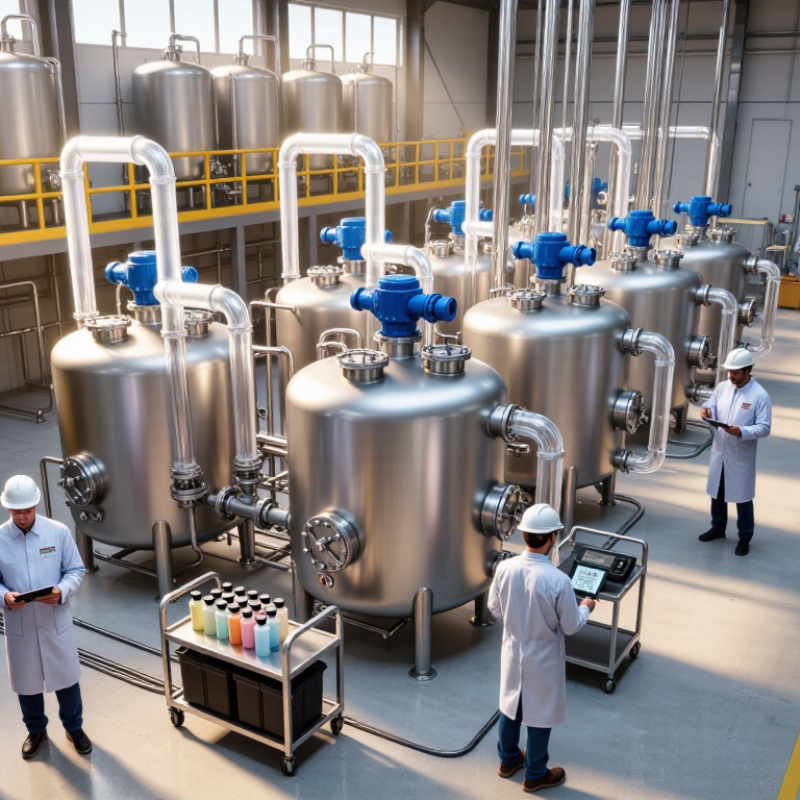
Raw-material selection sets the ceiling for consistent PolyDADMAC quality. Screen DADMAC monomer for assay, appearance, acidity, and inhibitor content; confirm each lot against its certificate of analysis. Check initiator identity and concentration, too. A clear liquid can still contain troublesome impurities. Record supplier lot numbers, delivery temperature, and container condition so later batch variation can be traced.
Water deserves its own incoming specification. ASTM D1193 sets a conductivity limit of 1.0 µS/cm at 25°C for Type II reagent water; this is a useful benchmark, not a universal process requirement. Measure conductivity at receipt, and trend it alongside hardness and microbial results where relevant. Keep retained samples. They can reveal whether a process shift began with a raw material or with the reactor.
Tips: Test suspect lots before unloading, and quarantine them until results pass. Use calibrated meters and documented sampling methods; a single grab sample may miss settling or contamination. Be cautious about relying on supplier paperwork alone. It saves time, but it does not prove that every drum matches the last one.
Before a PolyDADMAC batch, confirm the reactor is clean, dry, and suitable for the planned materials. Check seals, agitator condition, cooling connections, and instrument calibration. Small checks matter. A residue or unreliable temperature probe can undermine an otherwise controlled run.
Review the batch instructions and hazard information with the operating team before charging materials. Verify that ventilation, protective equipment, alarms, and emergency arrangements are ready. Keep the area clear, and confirm that operators know how to stop the feed safely. A checklist helps, but it cannot replace a practical walk-through. That distinction is easy to forget during routine production.
During polymerization, monitor temperature, agitation, and process behavior at the intervals defined by approved procedures. Changes in viscosity or unexpected temperature movement deserve prompt attention, not guesswork. Use established controls for heat removal and material addition; do not compensate for abnormal conditions by improvising. Keep it documented. Record readings, adjustments, and interruptions while details are fresh. Batch records can reveal recurring issues, though they may not explain every variation. Reviewing them with maintenance and process staff helps turn small warning signs into useful learning.
Controlled polymerization begins with consistent raw materials, clean equipment, and a well-mixed aqueous charge. In polydadmac production, the reaction releases heat, so temperature control is central to predictable quality. A jacketed vessel, working temperature probes, and steady agitation help prevent local hot spots. Small changes matter.
Initiator addition and monomer feeding should follow a validated recipe, not operator guesswork. Record feed rates, temperature, mixing speed, and reaction time at regular intervals. If the temperature rises faster than expected, pause additions and investigate before continuing. Do not rely on a single sensor; compare readings with a calibrated reference. A useful log makes unusual batches easier to understand later.
Reaction monitoring should connect process signals with laboratory results. Viscosity can indicate changes in polymer concentration or molecular structure, but it does not prove conversion by itself. Measure solids and residual monomer using suitable, validated methods, and compare results with established batch limits. The relationship between viscosity and polymer quality can be imperfect, especially when temperature or salt content shifts. That limitation deserves attention. Review trends across batches, not just pass-or-fail values, and document any adjustment with its reason. A neat record is helpful, but it cannot correct a poorly controlled reaction.
| Best Practice | What to Monitor | Process Control Approach | Why It Matters | Useful Records or Checks |
|---|---|---|---|---|
| 1. Verify raw materials and charge quantities | DADMAC feed identity and concentration, initiator identity and quantity, water quality, and material lot information. | Confirm materials against approved specifications and the batch record before charging. Use calibrated weighing or metering equipment and document actual quantities. | Feed composition and initiator loading can affect polymerization behavior and the finished polymer’s properties. | Incoming-material test results, lot traceability, equipment calibration status, and charge reconciliation. |
| 2. Control heat removal and reactor temperature | Reactor temperature, temperature trend, cooling-system status, and temperature differences across available measurement points. | Use a validated temperature-control system with independent high-temperature alarms and an established response plan. Confirm cooling capacity before starting the batch. | Aqueous free-radical polymerization is exothermic. Poor heat removal can cause temperature excursions and inconsistent reaction progress. | Continuous temperature trend, alarm and interlock checks, cooling-system inspection, and documented excursion review. |
| 3. Manage monomer and initiator addition consistently | Feed rate, cumulative addition, initiator preparation and delivery, and the relationship between feed events and temperature response. | Follow the approved batch sequence and use controlled, verified feed equipment. Pause or adjust additions only under documented operating procedures when process limits are approached. | Consistent addition helps manage reaction rate and heat release and supports reproducible batch-to-batch quality. | Feed-rate records, pump or flow-meter checks, addition timestamps, and operator verification of the batch sequence. |
| 4. Limit uncontrolled oxygen exposure | Inert-gas system status where used, vessel integrity, and oxygen-related process indicators defined by the site procedure. | Use the facility’s validated vessel preparation and inerting procedures, where applicable. Check for leaks and avoid unnecessary air ingress during charging and sampling. | Oxygen can interfere with free-radical polymerization and may contribute to delayed or inconsistent reaction behavior. | Vessel preparation checklist, inert-gas supply checks, leak checks, and documented deviations. |
| 5. Track reaction progress with complementary indicators | Temperature profile, elapsed reaction time, and approved in-process indicators such as solids or viscosity when suitable for the process. | Assess more than one indicator against validated batch-specific limits. Use representative samples and consistent sampling and test methods. | No single process signal fully describes polymerization progress; combined indicators help identify abnormal or incomplete batches. | Time-stamped process trends, sample identification, test-method references, and comparison with established batch history. |
| 6. Control mixing and viscosity-related handling | Agitator operation, mixing consistency, motor load where available, and viscosity trend during the batch. | Use an agitation approach qualified for the vessel and product stage. Confirm that sampling, transfer, and temperature measurement remain representative as viscosity changes. | Polymerization can increase solution viscosity, affecting mixing, heat transfer, sampling, and transfer operations. | Agitator checks, motor-load trend, viscosity test conditions, and inspection of transfer-line performance. |
| 7. Confirm finished-product quality before release | Product-specific tests such as solids content, viscosity, appearance, and residual DADMAC monomer where required by the specification. | Test representative, properly identified samples using validated methods and approved acceptance criteria. Hold product for review if results are out of specification. | Final testing verifies that the batch meets its intended quality requirements; residual monomer limits are determined by applicable product specifications and regulations. | Approved certificate-of-analysis results, sample chain of custody, specification review, and documented batch disposition. |
Operating note: Establish and validate site-specific operating limits, alarm settings, sampling plans, and product acceptance criteria through qualified process-safety and quality procedures. Do not use generic values as a substitute for process-specific validation.
Purification starts with controlled transfer from the reactor. PolyDADMAC solutions can contain gel fragments or other insoluble material, so filtration should match the product’s viscosity and intended grade. A filter that is too fine may slow production or clog quickly. Check clarity, flow rate, and filter condition during each batch. Appearance alone misleads.
Testing should use consistent sampling and documented methods. Measure solids content, pH, viscosity, and residual monomer where the product specification requires it. Keep viscosity measurements at a defined temperature; otherwise, two sound batches may appear different. Small shifts matter. A retained sample from each lot can help investigate later variation, though it cannot replace reliable testing.
Set acceptance ranges from the product’s intended use and validated process data, not from a single successful batch. Use calibrated instruments, written sampling steps, and clear records for every result. If a result falls outside its range, review the sample, equipment, and process before making adjustments. Some variation is unavoidable, and specifications may need revision as operating experience grows. That part is easy to overlook. Standardization works best when teams record both the numbers and the conditions behind them.
Packaging, storage, and traceability protect Polydadmac quality after production. Use clean, compatible containers with secure closures to limit leaks and contamination. Keep the product’s batch number visible on the container and shipping documents. Labels should remain readable when damp or handled repeatedly. Small details matter.
Store containers under the conditions specified in the product’s technical documentation. Avoid direct sunlight, excessive heat, and freezing unless product-specific guidance confirms otherwise. Keep lids closed between transfers, and use clean, dedicated pumps or hoses. A forgotten open drum can collect dust or moisture. It happens, so make closure checks part of routine handling.
Record each batch’s production date, lot number, packaging date, and container count. Link those records to inspection results and shipment details, so a concern can be traced to affected units rather than an entire stockroom. At every transfer, check that the label matches the paperwork. Handwritten corrections can become unclear; review them before dispatch. A traceability system is only useful when staff update it promptly and verify entries. Perfect records are rare. Regular checks catch gaps before they grow.

