

OPEN FROM 9AM TO 5PM – CLOSED ON WEEKENDS
Choosing the best Study Desk online is not as simple as picking the widest tabletop or lowest price. A desk must fit your room, study habits, equipment, and body. Product photos can look convincing. Measurements rarely do.
Alan Hedge, a respected ergonomics researcher and former Cornell University professor, said, “The best posture is the next posture.” His point matters when comparing desks. Even a well-designed desk cannot correct hours of complete stillness. Look for a height that lets your elbows rest near 90 degrees. Leave enough depth for a monitor, notebook, and comfortable viewing distance. A tabletop around 120 centimeters wide may suit one student, while another needs more space for books and creative work.
Check the details carefully. Measure the available wall space first. Then compare the desk’s height, legroom, weight capacity, and assembly instructions. Cable openings can prevent a tangled mess behind your laptop. Rounded edges may feel better during long evening sessions. Adjustable legs help with uneven floors, although they can add cost and wobble if poorly made.
Online reviews deserve attention, but they are not perfect evidence. A five-star rating may reflect easy delivery rather than daily comfort. Read recent comments about stability, surface durability, and missing hardware. I would also question glossy claims about “ergonomic” design without specific measurements. That word is often used too loosely.
The best Study Desk is not necessarily the largest or most expensive. It is the one that supports real study, fits your space, and remains dependable after the novelty fades.
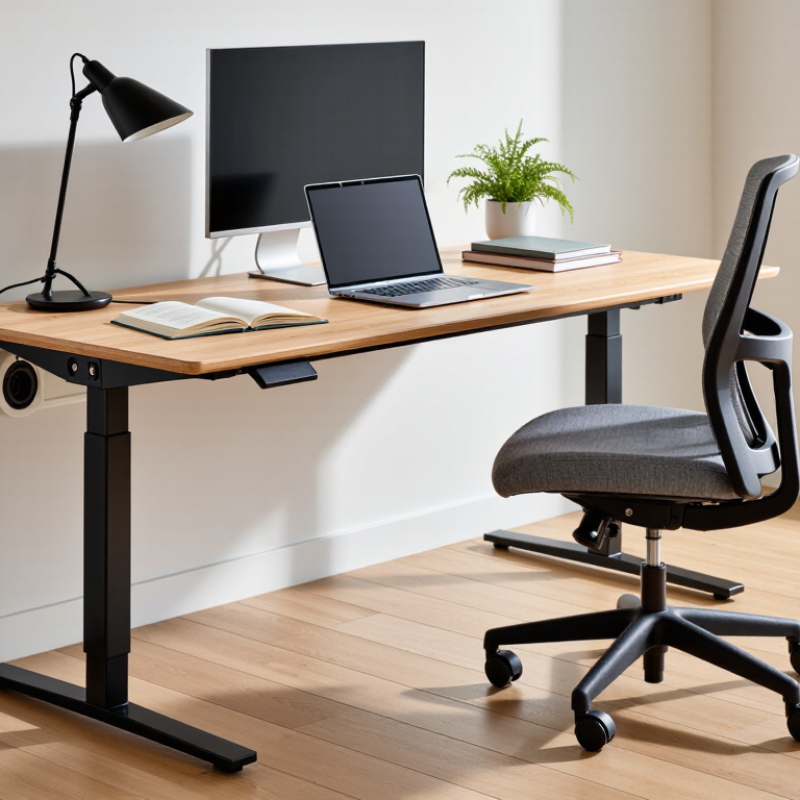
The best study desk for online buyers is not simply the largest or cheapest option. It should fit your room, posture, devices, and daily habits. McKinsey’s 2022 American Opportunity Survey found that 58% of employed Americans could work from home at least one day weekly. That finding supports a practical point: home desks now serve longer sessions, not occasional homework.
Look for a desktop about 120 centimetres wide and at least 60 centimetres deep. This leaves room for a laptop, notebook, and a small lamp without crowding your elbows. Adjustable height is valuable, but stability matters more. ANSI/BIFMA G1 ergonomics guidance supports neutral working positions, while OSHA advises keeping the monitor near eye level and wrists straight. Check the desk’s load rating, edge finish, cable opening, and assembly instructions. Online reviews are useful, but photographs can hide wobbling. I have made that mistake.
Tips: Measure your room first. Leave 90 centimetres behind the chair. Compare the listed height with your chair’s seat height. Choose a return policy that covers damaged panels or missing hardware. A desk with thoughtful storage may be better than a fashionable one. Yet “minimal” storage can become clutter quickly. Read recent reviews for stability, delivery damage, and long-term surface wear, not only appearance.
Choosing a study desk online starts with your available space, not the product photo. Measure the wall, chair clearance, and walking area carefully. A desk should usually provide 70–76 centimeters of height for comfortable seated work. Allow at least 90 centimeters behind the chair. This makes movement easier and reduces cramped, awkward posture. For a laptop, writing pad, and lamp, a depth of 60–75 centimeters is practical. Larger screens may need more depth.
Shape should match your daily habits. A rectangular desk suits focused work and fits most walls. A corner desk can use wasted space, but its deep corners may become storage traps. An L-shaped layout works well for separating reading from computer tasks. However, it needs more floor space than many online photos suggest. Check the exact measurements, not only the listed width. Small diagrams can hide bulky legs or thick panels.
Think about the workspace layout before placing the order. Keep the monitor roughly 50–70 centimeters from your eyes, with the top near eye level. Place frequently used items within easy reach. Leave open space under the desktop for your knees and feet. Online listings should show material details, weight limits, cable openings, and return conditions. I would also read several low-rated reviews. They often reveal wobbling, sharp edges, or difficult assembly. Even careful planning can miss one detail: a nearby window may create glare throughout the afternoon.
What Is the Best Study Desk to Buy Online?
A reliable study desk begins with its materials, not its photographs. Solid wood offers strength and a warm surface, but it can be heavy and difficult to move. High-quality engineered wood can resist warping when its edges are sealed carefully. I have used both types, and surface thickness often mattered more than appearance. A thin desktop may flex under books, monitors, and daily writing.
Comfort depends on dimensions and small design choices. Look for enough depth to keep a screen about an arm’s length away. Rounded front edges reduce pressure on your wrists during long sessions. Adjustable legs help level the desk on uneven floors, although some mechanisms loosen over time. A stable frame, strong joints, and a scratch-resistant finish improve durability. Cable openings prevent wires from dragging across your knees. I once ignored leg clearance and regretted it after one week. That mistake still influences my recommendations.
Tips: Measure your room, chair height, and equipment before ordering. Check the weight limit and return policy. Read reviews for wobbling, damaged corners, and difficult assembly. Prefer moisture-resistant finishes near windows. Avoid choosing only by color; comfort is harder to replace. If possible, test a similar desk locally before buying online.
How to Compare Online Listings, Prices, Reviews, and Delivery Options
A strong online listing should show exact dimensions, materials, weight capacity, and assembly requirements. Measure your wall and chair space before comparing prices. A desk can look compact online, then dominate a small bedroom. Check desktop depth carefully; 24 inches may feel narrow for books and a monitor. Compare the final price, not the headline discount. Include shipping, taxes, assembly fees, and possible return charges.
Reviews need more inspection than admiration. Read recent reviews, especially those mentioning wobbling, damaged corners, missing hardware, or difficult instructions. Photo reviews can reveal uneven surfaces and inaccurate color descriptions. A high average rating is useful, but repeated low ratings may expose a serious design weakness. I would give more weight to detailed criticism than to one-word praise. That approach is slower. It is also more realistic.
Delivery details deserve equal attention. Confirm whether the package arrives at the entrance, inside the room, or with assembly support. Check delivery windows, tracking, signature rules, and damage-report deadlines. Bulky furniture can become expensive to return. The NRF and Appriss Retail 2024 Retail Returns Report estimated that 16.9% of U.S. retail sales were returned in 2024, although desk-specific rates vary.
Before ordering, save the listing and delivery terms. Online pages can change after purchase. That small step protects your comparison.
A study desk should fit your room before it fits your wishlist. Measure the wall, chair space, and drawer clearance carefully. I once bought a desk that looked compact online but blocked a cupboard door. That mistake made the room feel smaller every morning. Leave at least enough space to pull your chair back comfortably. A depth of about 60 centimeters usually supports a laptop, notebook, and reading lamp without crowding.
Your budget should cover more than the desktop. Check the frame, hardware, cable openings, and delivery conditions. A cheaper desk may work well if its surface is stable and easy to clean. However, weak legs can cause distracting movement during writing. Look for adjustable feet when your floor is uneven. Measure twice. That matters. If you study for several hours, match the desk height with your chair, rather than trusting a product photo. Your elbows should rest naturally, and your shoulders should stay relaxed.
Daily habits also change the right choice. A student using only a laptop may prefer a narrow desk with hidden storage. Someone who draws, reads textbooks, or uses a monitor needs more depth and stronger support. Consider sunlight, power outlets, and heat from nearby radiators. A pale surface can brighten a dark corner, but it may show ink marks quickly. I still prefer practical finishes over perfect-looking ones. The “best” desk is not automatically the largest or cheapest; it is the one that supports your routine without making the room difficult to use.
| Desk Type | Recommended Room Size | Typical Dimensions | Approximate Online Price | Storage Capacity | Best for Daily Needs | Key Advantages | Possible Limitations | Assembly Difficulty | Overall Value |
|---|---|---|---|---|---|---|---|---|---|
| Compact Writing Desk | Small bedroom, dorm room, or home office corner | 90–120 cm wide × 45–60 cm deep; approximately 72–76 cm high | $60–$150 | Low; usually an open desktop with one small drawer | Laptop work, reading, writing, and short study sessions | Space-saving, affordable, lightweight, and easy to move | Limited room for a monitor, textbooks, and accessories at the same time | Easy; usually 30–60 minutes | ★★★★☆ |
| Standard Computer Desk | Medium bedroom or dedicated study area | 120–150 cm wide × 60–75 cm deep; approximately 72–76 cm high | $100–$250 | Medium; may include drawers, shelves, or a cable-management opening | Daily computer use, online classes, and general homework | Balanced workspace, good monitor depth, and broad availability online | Can occupy significant floor space in a narrow room | Moderate; usually 45–90 minutes | ★★★★★ |
| L-Shaped Corner Desk | Medium to large room with an unused corner | 140–180 cm on the long side × 120–160 cm on the return; 60–75 cm deep | $180–$400 | Medium to high; drawers, shelves, or under-desk storage are common | Multiple monitors, books, creative projects, and multitasking | Uses corner space efficiently and creates separate work zones | Heavy, harder to reposition, and often not reversible after assembly | Moderate to difficult; usually 1–2 hours | ★★★★☆ |
| Height-Adjustable Sit-Stand Desk | Medium room or home office with enough vertical clearance | 120–160 cm wide × 60–80 cm deep; approximately 70–120 cm adjustable height | $250–$650 | Low to medium; storage is usually separate from the desktop | Long workdays, posture changes, and shared users of different heights | Allows sitting and standing, supports ergonomic adjustment, and adapts to users | Higher cost, heavier frame, and possible motor noise or cable clutter | Moderate; usually 60–120 minutes | ★★★★☆ |
| Writing Desk with Drawers | Small to medium bedroom or study room | 100–140 cm wide × 50–65 cm deep; approximately 72–76 cm high | $120–$300 | Medium; typically one to three drawers | Students who need organized storage for stationery, papers, and books | Maintains a tidy desktop and combines study space with practical storage | Drawers reduce legroom and may limit space for a large desktop computer | Easy to moderate; usually 45–90 minutes | ★★★★☆ |
| Bookshelf Desk | Small to medium room with limited wall or floor space | 100–140 cm wide × 50–65 cm deep; approximately 72–76 cm high | $130–$320 | High; integrated shelves provide vertical book and accessory storage | Textbook-heavy study, reading, and compact home learning areas | Combines a desk and bookcase while using vertical space efficiently | Shelves can make the desk look crowded and may restrict monitor placement | Moderate; usually 60–120 minutes | ★★★★☆ |
| Folding Desk | Very small room, temporary workspace, or multipurpose room | 80–120 cm wide × 40–55 cm deep when open; approximately 72–76 cm high | $50–$180 | Very low; storage is usually not integrated | Occasional studying, flexible layouts, and rooms that serve several purposes | Easy to store, portable, and useful when floor space must remain clear | Less stable than a fixed desk and unsuitable for heavy equipment | Easy; usually 15–45 minutes | ★★★☆☆ |
| Corner Writing Desk | Small to medium room with a vacant corner | 90–130 cm wide × 90–130 cm deep; approximately 72–76 cm high | $90–$220 | Low to medium; some models include a small shelf or drawer | Laptop study, journaling, and maximizing unused corner space | Compact footprint and often more affordable than a full L-shaped desk | Limited legroom and less flexible for large monitors or frequent rearrangement | Easy to moderate; usually 30–75 minutes | ★★★★☆ |
| Large Executive-Style Desk | Large bedroom, study, or dedicated home office | 150–200 cm wide × 70–90 cm deep; approximately 72–76 cm high | $250–$700 | High; multiple drawers and cabinets are common | Long study sessions, dual monitors, paperwork, and substantial equipment | Generous work surface, strong storage capacity, and a stable structure | Expensive, heavy, and unsuitable for narrow rooms or frequent moving | Moderate to difficult; usually 1–3 hours | ★★★★☆ |

