
OPEN FROM 9AM TO 5PM – CLOSED ON WEEKENDS
Choosing an auto paint booth is not simply a matter of comparing prices and sizes. It is a decision about finish quality, worker safety, energy use, and daily production. A booth that looks impressive online may perform poorly when filters clog, airflow becomes uneven, or vehicle doors restrict movement.
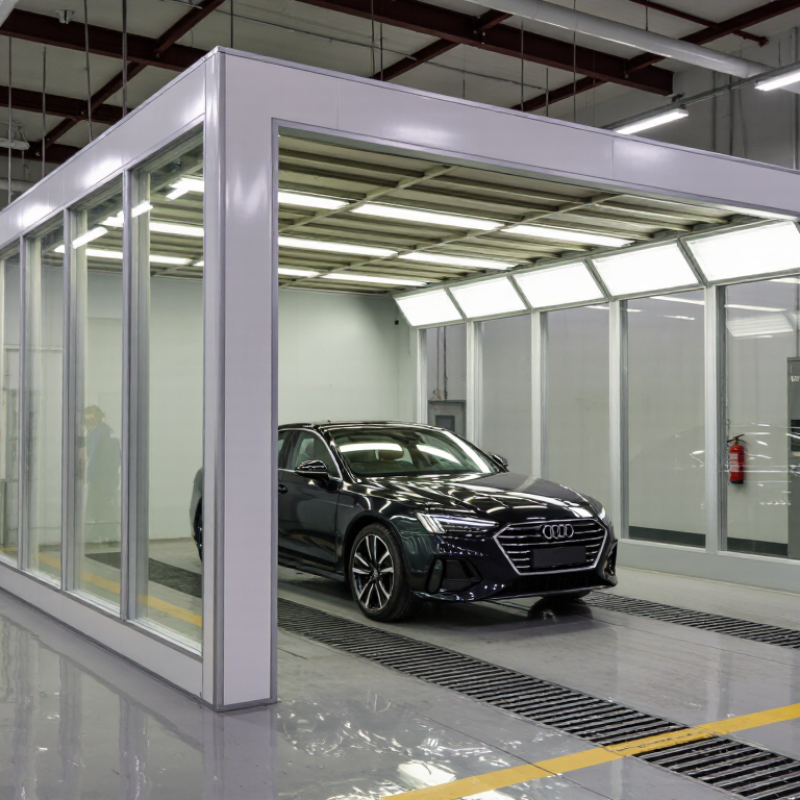
Automotive refinishing consultant Jeff Stout has said, “The booth is not just a box; it is part of the finish.” That observation deserves attention. A well-designed booth should control overspray, maintain consistent airflow, and provide bright, balanced lighting around the vehicle. Imagine inspecting a dark sedan under uneven lamps. Small color differences can disappear until the customer sees the car outdoors.
Your choice should match your workload and paint system. Consider booth dimensions, airflow direction, filter access, curing requirements, noise, and energy consumption. Check whether the equipment can support your largest vehicle without forcing technicians to work around mirrors or open doors. Local fire, ventilation, and electrical requirements also matter. Professional guidance is valuable here, because a low purchase price may hide expensive installation changes.
There is no perfect booth for every business. A small repair shop may need flexibility more than maximum throughput. A high-volume facility may prioritize rapid curing and easy maintenance. It is tempting to focus on horsepower and appearance, but those details can mislead. The better question is simpler: will this auto paint booth deliver safe, repeatable results every working day? Even experienced buyers can overlook that question.
How to Choose an Auto Paint Booth for Your Business?
Understanding Auto Paint Booth Types and Their Primary Uses
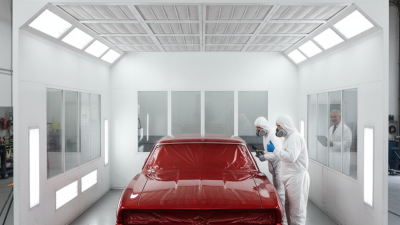
Choosing an auto paint booth starts with understanding airflow, vehicle size, and daily workload. Each booth type controls overspray and airborne particles differently. A downdraft booth pulls air from the ceiling toward a filtered floor. It provides clean finishes and consistent airflow, making it suitable for collision repair and premium refinishing. However, installation may require costly floor preparation and extra building height.
A crossdraft booth moves air horizontally from the front toward the rear. It usually costs less and fits smaller workshops with limited construction budgets. This design works well for routine repairs, but airflow may pass across the vehicle unevenly. Technicians may notice more dust near rear panels. A side-draft booth directs air from the ceiling or side walls toward filtered exhaust channels. It offers a practical balance between finish quality, installation effort, and operating cost.
Open-face booths are useful for priming, sanding, and smaller parts. They are not a complete substitute for an enclosed finishing booth. That distinction matters. For high-volume work, a full booth with controlled airflow can reduce rework and improve scheduling. For a small shop, the cheapest option may create hidden costs through slower drying or repeated corrections. Check filter access, lighting, fan capacity, noise, and maintenance space before deciding. The perfect choice rarely exists. A booth should match real working habits, not only a specification sheet.
The chart compares indicative planning footprints for common booth configurations. Open-front booths are typically used for preparation and smaller refinishing tasks, while crossdraft and side-draft booths support general automotive refinishing. Downdraft booths usually require more floor space and are selected when a cleaner finish and stronger overspray control are priorities. Actual dimensions vary with vehicle size, local regulations, ventilation design, and workflow requirements.
Choosing an auto paint booth starts with your daily workload, not a product catalog. Count vehicles by type, size, and repair frequency. Measure actual demand.
A small repair shop may handle compact cars, while a commercial fleet requires space for vans or light trucks. Record the largest vehicle you expect to spray. Add room for open doors, mirrors, and safe movement around the vehicle. Your booth should support efficient preparation, spraying, drying, and inspection without blocking other work areas. Staff experience also matters. A technically advanced booth may perform poorly if operators cannot use its controls confidently.
Study your building before choosing a model. Measure ceiling height, floor space, entrance width, and available electrical capacity. Check where intake air and exhaust can travel safely. Keep clear access for maintenance, filters, lighting, and emergency movement. A booth squeezed against a wall may fit on paper but create costly daily problems. Confirm local requirements with qualified professionals before installation.
Vehicle capacity should match your real workflow, with limited allowance for growth. An oversized booth can waste energy and floor space. An undersized booth can damage productivity and finish quality. I once underestimated the room needed for doors and equipment, which forced awkward repositioning during inspections. That mistake changed my planning method. I now mark the booth footprint with tape and simulate vehicle movement before approving the layout. Record cycle times, including loading, spraying, curing, and cleaning. Numbers reveal capacity better than optimistic guesses.
How to Choose an Auto Paint Booth for Your Business?
Ventilation should match your coating volume, booth size, and local requirements. In practice, measure airflow at the operator’s position, not only at the fan. Uneven airflow can leave overspray on panels and create uncomfortable breathing zones. A balanced system moves clean air across the vehicle and removes contaminated air through dedicated exhaust paths. Ask for documented airflow tests. Guesswork is expensive.
Filtration needs equal attention. Use staged filters that capture larger particles before finer media. A pressure gauge shows when filters are becoming restricted. Replace them according to pressure readings and manufacturer guidance, not appearance alone. I once trusted a filter that looked clean, yet the booth airflow had already weakened. That mistake delayed several jobs. Clean intake air also protects fresh finishes from dust.
Good lighting reveals sanding marks, color variation, and thin coverage. Choose sealed fixtures with suitable protection ratings and strong color accuracy. Shadows near wheel arches can hide defects. Safety features should include emergency stops, door interlocks, fire detection, grounded components, and clearly maintained exhaust systems. Electrical work must be completed by qualified professionals, with inspections following applicable codes. Keep maintenance logs for fans, filters, alarms, and lighting. Small omissions matter. Workers also need clear training, suitable protective equipment, and written operating procedures. A booth may appear efficient while quietly creating avoidable risks.
Choosing an auto paint booth starts with airflow, not catalog size.
In real shop planning, a large fan can feel reassuring, yet it may waste electricity hourly. The U.S. Department of Energy’s 2022 Industrial Decarbonization Roadmap links motor systems to about 70% of industrial electricity use. Therefore, evaluate fan efficiency, variable-speed control, filter resistance, and make-up-air demand.
Ask for tested airflow, fan power, sound levels, and lighting loads. Request measured data, not vague “energy-saving” claims. Efficient LED lighting also reduces heat near the painter.
Small detail.
Energy figures can change after installation. Poor duct routing, dirty filters, or open doors can erase expected savings.
Compliance should be checked before concrete is poured.
OSHA 29 CFR 1910.107 addresses spray-finishing ventilation, ignition control, electrical equipment, and housekeeping. NFPA 33 provides further fire-safety guidance for spray applications. EPA’s National Emission Standards for Hazardous Air Pollutants may also affect coating operations, depending on location and process.
Confirm requirements with the local authority having jurisdiction. Installation drawings should show exhaust discharge, make-up air, clearances, drainage, and emergency controls.
Maintenance deserves equal attention. Use differential-pressure gauges, inspect filters on a written schedule, and verify airflow after service. Industry downtime surveys report substantial losses from unplanned stoppages, although estimates vary widely by sector. That warning is useful, not perfect.
Choose documented commissioning, practical training, spare filters, and accessible service points.
Choosing the right booth supplier affects safety, production speed, and long-term operating costs. Look for suppliers with documented installation experience and trained technical staff. Ask for recent customer references, not only polished showroom photos. Their answers should cover airflow testing, filter replacement, lighting, controls, and maintenance access. Clear answers matter.
Request a written quotation with every cost listed separately. Include the booth, delivery, installation, electrical work, ventilation, permits, fire protection, filters, training, and future service. A low initial price can hide expensive preparation work. Leave room for unexpected costs. They happen.
Compare warranty terms carefully. Check response times, spare-part availability, remote support, and technician coverage near your facility. Ask how the supplier measures airflow after installation and whether commissioning documents are provided. These records can support inspections and help employees operate the booth correctly. Local building and workplace requirements must guide the final design.
Budgeting should also include monthly energy use and filter disposal. A booth with efficient motors may cost more initially but reduce operating expenses later. However, efficiency claims need test data, not attractive promises. I once saw a project focus too heavily on purchase price and overlook floor preparation. The schedule slipped, and the savings disappeared. Build the budget around actual workflow, available space, and realistic installation conditions.