
OPEN FROM 9AM TO 5PM – CLOSED ON WEEKENDS

How to Choose the Right Powder Coating Oven?

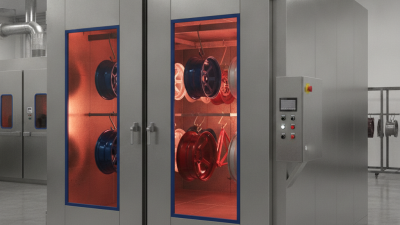
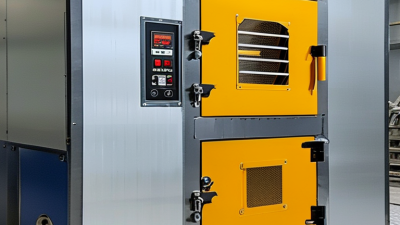
Choosing the right powder coating oven is a practical decision, not a simple equipment purchase. The wrong choice can create uneven curing, wasted powder, and costly production delays. The right powder coating oven supports consistent finish quality, efficient heat use, and safer daily operation.

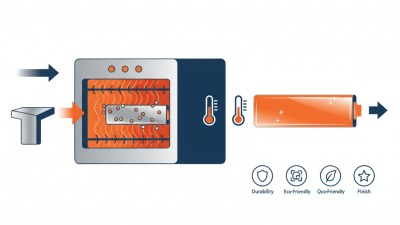
Kevin Biller, founder of The Powder Coating Research Group, offers a useful rule: “The part must reach the cure temperature; hot air alone is not enough.” This principle deserves attention. An oven may display 400°F, while thick steel sections remain under-cured inside. That hidden difference can cause poor adhesion, color variation, or early coating failure.

Start with the parts, not the brochure.

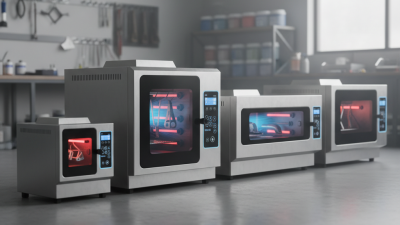
Measure the largest component, including racks and hanging space. Consider its weight, shape, material thickness, and required cure schedule. A small batch oven may suit custom work, while a continuous oven may support steady, high-volume production. Airflow also matters. Strong, balanced circulation helps reduce cold spots around corners, tubes, and dense loads.

Fuel type, insulation, controls, and maintenance access deserve equal review. Electric systems may fit smaller operations with limited ventilation options. Gas-fired systems can offer faster heating for heavier workloads. Neither option is automatically better. Energy prices, installation conditions, production hours, and local safety requirements will influence the real cost.

There is room for honest doubt. The lowest purchase price may look attractive today, yet poor temperature uniformity can become tomorrow’s expensive lesson. Request test data, temperature-mapping results, and references from similar facilities. A reliable supplier should explain limitations clearly. That transparency is often more valuable than impressive specifications.
How to Choose the Right Powder Coating Oven?

Define Your Powder Coating Process and Production Requirements

How to Choose the Right Powder Coating Oven?

Define Your Powder Coating Process and Production Requirements

When choosing a powder coating oven, define the process before comparing oven sizes or heating methods. List each part’s material, dimensions, weight, and surface condition. Steel frames may need a different cure schedule than thin aluminum panels. Record the coating type, target metal temperature, and required holding time. Cure data should come from the coating’s technical documentation, not guesswork.

Production volume matters just as much. A batch oven may suit irregular orders, prototypes, or mixed part sizes. A conveyor oven can support steady output, but it needs consistent loading and line speed. Measure the largest workpiece, including hooks and racks. Measure twice. Then estimate hourly throughput using real loading patterns, not ideal ones. My early estimates were too optimistic because I ignored unloading delays and occasional rework.

Review airflow, temperature uniformity, ventilation, access, controls, and maintenance space. Ask for temperature mapping across the working chamber, especially near doors and corners. Uneven heating can create under-cured areas that look acceptable at first. They may fail adhesion testing later. Check fuel or electrical capacity with a qualified technician, and follow applicable safety requirements. Leave room for future production, but avoid buying excessive capacity. That mistake increases operating costs and can make small batches inefficient. A clear process definition gives oven suppliers useful information and gives your team measurable acceptance criteria.

Match Oven Dimensions to Your Parts and Available Workspace

A powder coating oven should fit your parts, not merely occupy an empty corner. Measure the longest, widest, and tallest component, including racks and hanging hooks. Add clearance for airflow and safe loading. A practical starting point is 150–300 millimeters around each side, but the oven manufacturer must verify airflow requirements.

Workspace changes the decision. Measure ceiling height, door openings, aisles, and nearby equipment. Leave room for operators to turn safely. A compact oven may look efficient, yet frequent loading problems can reduce production. My first layout underestimated door clearance. The oven fit on paper, but the loading cart could not turn.

Energy also matters. The U.S. Department of Energy reports that process heating represents about 17% of manufacturing energy use. Oversizing an oven can increase heated volume, warm-up time, and operating cost. Undersizing creates bottlenecks and may force parts too close together. Use actual part dimensions, production volume, and batch spacing. NFPA 86 also emphasizes suitable oven design, controls, ventilation, and safety systems. These requirements should shape the footprint before purchase. Check twice. Then challenge the layout.

How to Choose the Right Powder Coating Oven?

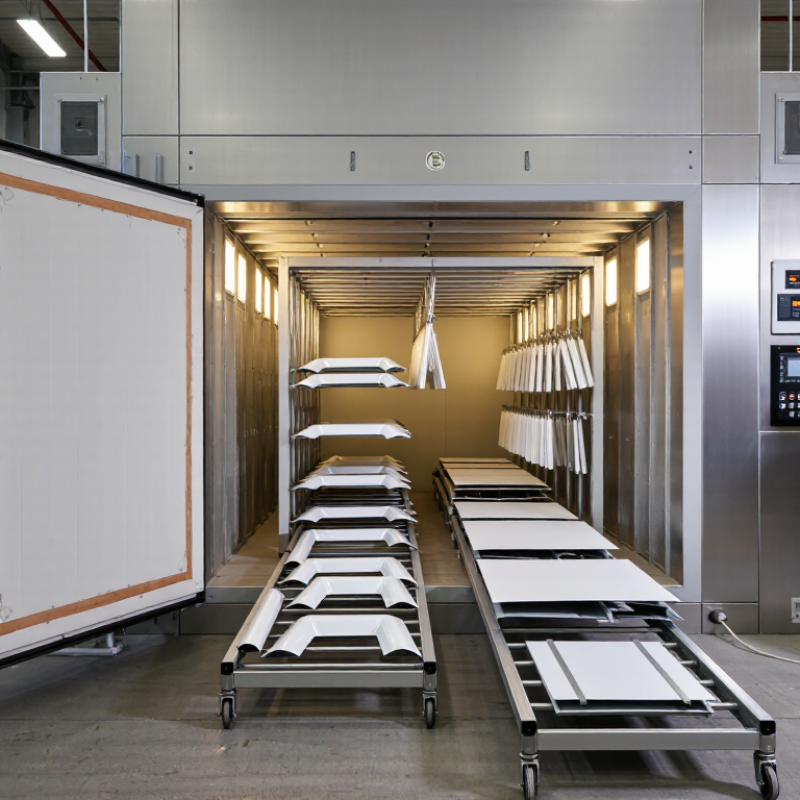
Match the oven's internal dimensions to the largest part and confirm that the overall footprint fits the available workspace. The planning examples below use inches and compare part length, required oven length, and available workspace length.

Select an oven with internal clearance beyond the longest part dimension, while leaving enough room around the equipment for loading, ventilation, maintenance, and safe operation.

Compare Heating Methods, Temperature Control, and Energy Efficiency

Choosing a powder coating oven starts with the heating method, not the catalogue size. Electric systems offer clean operation and precise response, especially in smaller workshops. Gas systems can heat large chambers quickly, but burner tuning and ventilation require disciplined maintenance. Infrared heating works fast on suitable parts, yet complex shapes may develop uneven temperatures. Measure the part, not only the chamber air. That distinction matters.

A reliable oven should use calibrated sensors, stable airflow, and a controller that records the cure cycle. Powder manufacturers typically specify metal temperature, often around 180°C, rather than air temperature alone. Always verify the required schedule for your powder. Place sensors near cold spots, door openings, and heavily loaded areas during testing. In my experience, a display can look perfect while a thick steel bracket remains under-cured. That mistake is expensive. Mapping the oven with several probes reveals hot and cold zones before production begins.

Energy efficiency depends on insulation, door seals, airflow, and how full the oven runs. An oversized chamber wastes heat when only a few parts hang inside. Batching compatible parts usually improves fuel use and labor time. Keep racks spaced so air can circulate around every surface. Heat recovery may help in high-volume operations, but its payback needs real usage data. I would not trust a claimed efficiency number without checking warm-up time, standby consumption, and cure consistency. Small omissions matter. Review maintenance access, calibration records, and local electrical or gas requirements before purchase.

How to Choose the Right Powder Coating Oven? - Compare Heating Methods, Temperature Control, and Energy Efficiency

Heating Method Typical Operating Temperature Temperature Control Typical Heat-Up Speed Energy Efficiency Considerations Main Advantages Best-Suited Applications
Electric Resistance 150–230°C
302–446°F
Very precise; commonly controlled with thermocouples, PID controllers, and staged heating zones. Properly designed ovens can commonly maintain approximately ±3–5°C uniformity. Moderate; depends on oven volume, insulation, heater capacity, and part mass. Nearly all electrical input becomes heat at the element, but total operating cost depends heavily on electricity prices, insulation, door openings, and exhaust losses. Clean operation, simple installation, accurate control, low maintenance, and no combustion products. Small and medium production lines, indoor facilities, color-sensitive work, and applications requiring clean air.
Direct Gas-Fired 150–230°C
302–446°F
Good control when equipped with modulating burners, multiple temperature zones, combustion safeguards, and correctly positioned sensors. Fast; combustion provides high heat input and is often suitable for large chambers and high-throughput production. Often economical where natural gas is available. Efficiency is reduced by excessive exhaust, poor burner adjustment, air leakage, or frequent door opening. High heating capacity, fast recovery after loading, and potentially lower operating cost for large ovens. Large parts, continuous production, heavy workloads, and facilities with suitable gas service and ventilation.
Indirect Gas-Fired 150–230°C
302–446°F
Good to very good; heat is transferred through a heat exchanger, keeping combustion gases separate from the oven chamber. Moderate to fast, generally slower than direct-fired systems because heat passes through a heat exchanger. Uses gas efficiently while providing cleaner process air than direct firing; heat-exchanger losses and exhaust design affect total efficiency. Cleaner chamber atmosphere, reduced risk of combustion contamination, and good suitability for sensitive coatings. Products requiring clean air, solvent-sensitive processes, and medium-to-large industrial ovens.
Infrared Typically 150–230°C part temperature
302–446°F
Fast response with zoned emitters and power modulation; part geometry and surface color strongly affect heating results. Very fast for thin or exposed surfaces; thicker parts may require convection or preheating for full metal temperature uniformity. Can reduce cycle time and heat the part directly, but efficiency varies with distance, emitter type, reflectors, part shape, and line speed. Rapid response, compact equipment, localized heating, and reduced heating of unused chamber air. Flat panels, thin components, localized curing, short production cycles, and hybrid oven systems.
Convection + Infrared Hybrid 150–230°C
302–446°F
Very good when infrared zones and convection zones are independently controlled and validated with a temperature-profile test. Fast initial heating with convection support for more uniform final curing. May reduce cycle time and energy use, but higher system complexity requires proper zoning, controls, maintenance, and process tuning. Balances rapid surface heating with reliable heat penetration and improved flexibility for mixed part geometries. High-volume lines handling both thin and heavy components or products with varied shapes and thicknesses.

Key Selection Criteria

Selection Factor What to Check Recommended Target or Practice
Curing Requirement Powder manufacturer’s specified metal temperature and time at temperature. Select an oven based on the part’s actual metal temperature profile, not only the air temperature shown on the controller.
Part Size and Mass Largest dimensions, wall thickness, material type, load weight, and rack configuration. Allow sufficient clearance for airflow and choose adequate heating capacity for the heaviest routine load.
Temperature Uniformity Differences between hot and cold zones, airflow pattern, sensor placement, and load arrangement. Validate the loaded oven with a temperature-profile test and maintain consistent loading practices.
Energy Efficiency Insulation thickness, door seals, exhaust rate, heat recovery, standby mode, and utility prices. Prioritize insulated doors, tight seals, variable-speed fans, controlled exhaust, and automatic idle-temperature reduction.
Production Volume Required pieces per hour, batch size, loading frequency, and acceptable cycle time. Use electric heating for simpler lower-volume operations and consider gas or hybrid systems for high-throughput production after a utility-cost analysis.
Safety and Compliance Over-temperature protection, emergency stop, burner safeguards, ventilation, electrical protection, and local code requirements. Require independent safety controls and have gas-fired systems installed and inspected by qualified professionals.

Note: Temperature ranges and performance characteristics are typical industrial values. Actual results depend on oven design, insulation, airflow, part geometry, loading density, coating formulation, utility prices, and operating practices.

Evaluate Airflow, Curing Uniformity, Safety, and Maintenance Needs

How to Choose the Right Powder Coating Oven?

Start with airflow, not oven size. A reliable oven moves heated air evenly across every rack position. Dead zones can leave corners under-cured while exposed surfaces discolor. The Powder Coating Institute’s technical guidance stresses that curing depends on part metal temperature, not only displayed air temperature. Install data loggers at cold spots. One sensor is not enough. DOE manufacturing energy data identifies process heating as roughly half of manufacturing energy use, so poor circulation can raise fuel costs quickly. I would not trust a single temperature reading. That assumption can fail.

Curing uniformity also depends on load density, conveyor speed, insulation, and burner control. Request temperature-mapping records at minimum and maximum production loads. Check whether the oven supports your largest parts without blocking return-air paths.

Safety deserves equal attention. NFPA 86, 2023 Edition, emphasizes purge cycles, combustion safeguards, ventilation, and safety interlocks. Ask for documented testing, not verbal assurances.

Maintenance needs are practical, too. Inspect filters, door seals, burners, fans, and exhaust paths on a defined schedule. Powder buildup around air passages is easy to overlook.

Tips: Map eight to twelve points during commissioning. Record metal temperature, airflow, and cure time. Compare results quarterly. Keep spare seals and filters available. Review cleaning access before purchasing. A compact oven may look efficient, yet difficult access can create expensive downtime. According to the Powder Coating Institute, transfer efficiency can approach 95% in well-controlled operations, but contamination and poor housekeeping reduce that advantage.

Review Installation Costs, Compliance Standards, and Supplier Support

How to Choose the Right Powder Coating Oven?

Installation cost is more than the oven price. Site preparation may include reinforced flooring, electrical upgrades, ventilation, gas lines, and safety controls. When I have reviewed installations, missed utility requirements often caused the largest delays. Measure the doorway, production space, and clearance around the oven before requesting quotes. Include delivery, assembly, testing, permits, and production downtime in the budget. A contingency allowance is sensible, although it may still prove insufficient for older facilities.

Compliance standards should guide the equipment specification. Check applicable fire, electrical, emissions, and worker-safety requirements with qualified local professionals. Ask for documented temperature uniformity tests, control-system records, and clear operating procedures. Do not accept vague claims such as “fully compliant.” Requirements differ by location and coating process. That detail matters.

Tips: Request a line-item installation quote. Compare energy use, maintenance access, and expected service life. Ask whether the supplier provides layout drawings, commissioning, operator training, and troubleshooting support. Confirm response times, spare-part availability, warranty limits, and remote assistance. Contact recent customers if possible. Their experience may reveal support gaps that sales documents hide. A supplier who answers technical questions clearly is usually more reliable, but this is not guaranteed. Review every promise in writing. I once focused too heavily on purchase price and underestimated training needs. That mistake made the first production weeks slower than planned.

Amet mattis vulputate enim nulla aliquet. Id porta nibh venenatis cras sed felis dictumst vestibulum rhoncus est.
This error message is only visible to WordPress admins

Error: No feed found.

Please go to the Instagram Feed settings page to create a feed.

Quick links