How to Choose the Best Felt Underlay?
Choosing the best Felt Underlay begins beneath the visible floor, where comfort, stability, and durability are decided. A beautiful carpet can still feel cold, noisy, or uneven without suitable support. The Carpet and Rug Institute explains that carpet cushion influences appearance retention, walking comfort, and service life. Its Carpet Installation Standard, CRI 105, also stresses correct cushion selection and installation.
Material matters. Wool felt can provide a dense, resilient layer under rugs and carpets. Recycled polyester felt may offer consistent thickness and useful acoustic performance. However, “eco-friendly” does not automatically mean suitable. Density, thickness, compression recovery, moisture resistance, and compatibility with the floor must be checked carefully. Small differences can become visible under furniture legs or across a hard floor.
Think about the room.
The International Organization for Standardization identifies acoustic performance as a measurable building factor through standards such as ISO 10140. Meanwhile, the U.S. Environmental Protection Agency’s Indoor airPLUS guidance highlights moisture control and low-emission materials as important indoor-environment considerations. These sources do not recommend one universal underlay. They support a more careful decision.
A practical selection should match the underlay to the floor covering, traffic level, furniture load, and installation method. A soft bedroom rug may need cushioning, while a busy hallway needs stronger recovery. Some felt products also require a non-slip layer. This detail is easy to miss.
No underlay is perfect. Thicker is not always better. Claims about sound reduction can vary between laboratories and real homes. Measure the floor, request technical data, and check the manufacturer’s warranty requirements before buying. The right Felt Underlay should feel quiet underfoot, remain stable, and perform beyond the first impression.
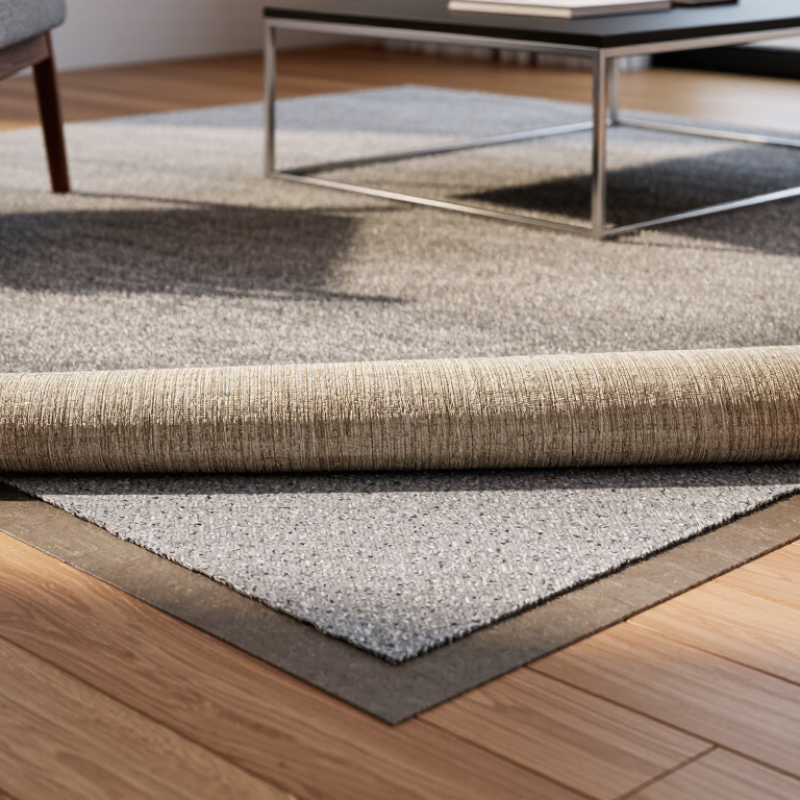
What Felt Underlay Is and Why It Matters
Felt underlay is a cushioning layer placed beneath carpet or other floor coverings. It is commonly made from wool, recycled fibers, or synthetic materials. Its dense structure supports the surface and softens footsteps. It also helps reduce minor floor noise and protects carpet backing from wear. The result feels warmer underfoot. Small detail, big difference.
Choosing the best felt underlay depends on the room, flooring, and traffic level. Measure the floor carefully before buying. A thicker option may feel softer, but it can prevent doors from opening properly. High-density felt often performs better in busy hallways than lightweight felt. I once chose comfort over compatibility, and the carpet became difficult to fit. That mistake changed my approach. Always check the flooring manufacturer’s requirements, moisture conditions, and heating-system limits.
Tips: Compare density, not only thickness. Press the felt with your fingers; it should recover without staying flat. Check its acoustic and thermal ratings when available. For damp areas, confirm moisture resistance before installation. A professional installer can identify uneven subfloors, but even careful homeowners should inspect seams and edges. Do not assume the most expensive underlay is automatically the best.
How to Choose the Best Felt Underlay?
What Felt Underlay Is and Why It Matters
Felt underlay is a cushioning layer placed beneath flooring to improve comfort, reduce impact noise, and help protect the finished floor. Thickness is an important selection factor, but the best option also depends on density, moisture conditions, floor type, and the level of sound or thermal insulation required.
The chart shows typical industry thickness ranges found in technical specifications for common felt underlay materials. Actual performance varies with density, construction, installation method, and flooring type.
How to Match Underlay Types to Different Flooring Materials
How to Choose the Best Felt Underlay?
How to Match Underlay Types to Different Flooring Materials
Felt underlay works best when its density matches the floor’s movement and load. For solid wood flooring, choose dense recycled-fibre felt with stable compression. It should soften footfall without creating a springy surface. The National Wood Flooring Association advises controlling moisture before installation, because underlay cannot correct damp subfloors. A dry, level base matters more.
Laminate flooring needs firmer support. Use a thin felt layer with high compressive resistance, especially beneath click-lock joints. Excessively soft felt may allow seams to flex and separate. The European Producers of Laminate Flooring identifies impact-sound reduction and dimensional stability as key underlay performance measures. Check the product’s declared values under EN 16354. Numbers matter here.
For carpet, felt can add warmth and improve comfort. The Carpet and Rug Institute’s CRI 105 installation standard generally limits cushion thickness to 7/16 inch for residential carpet. Denser cushion is often safer beneath loop pile, where excessive softness can damage texture. I once chose comfort over firmness in a busy hallway. The surface felt pleasant, but the traffic lanes appeared quickly. That mistake still informs my recommendations. Measure door clearance, test a small area, and consider furniture weight. Felt is not automatically suitable beneath vinyl or tile. Their manufacturers may require rigid, moisture-resistant systems instead.
Which Performance Features to Compare Before Buying
How to Choose the Best Felt Underlay?
Which Performance Features to Compare Before Buying
A felt underlay should match the floor, room, and expected traffic. Start with density, not thickness alone. A thick layer can feel soft but compress quickly under furniture. Dense felt usually provides better support and longer service. Press a sample by hand. It should recover without staying visibly flattened.
Compare acoustic performance using tested ratings, not vague claims. Look for impact sound data measured under recognized standards. Check thermal resistance if the room has underfloor heating. Excessive insulation may slow heat transfer. Moisture resistance also matters near entrances, kitchens, and concrete slabs. However, moisture-resistant does not mean waterproof. The subfloor still needs proper preparation.
Installation details affect real performance. Check whether the underlay suits floating, nail-down, or adhesive installation. Its dimensions should remain stable after cutting. A reliable product should include density, thickness tolerance, compression data, and testing conditions. Ask for documentation. I once selected a softer sample because it felt more comfortable. After several weeks, chair legs left clear marks. That experience changed how I compare samples.
Pay attention to fire performance and local building requirements. Test results should identify the exact material and installation method. Odor is another practical check. Leave a sample in a closed room for a day. Strong smells may indicate poor indoor suitability. Do not ignore small flaws in the sample; they often become larger problems after installation.
How to Check Installation Needs, Safety, and Long-Term Value
Choosing the best felt underlay starts with the floor, not the product label. Measure room dimensions, door clearances, and the existing floor condition. A thick underlay may raise the surface enough to obstruct a door. Uneven boards may need repair before covering. I once saw a small ridge appear through new flooring because preparation was rushed. That mistake cost more than the underlay.
Check the installation instructions for the finished floor. Some materials require a specific density, moisture barrier, or acoustic rating. Concrete should be tested for moisture before installation. Wood substrates need dry, stable boards and secure fasteners. Keep seams tight, and avoid overlapping unless the instructions allow it. Use a sharp knife and suitable protective equipment. Good ventilation matters when adhesives or sealants are involved. Never hide dampness beneath a soft layer.
Safety also includes daily performance. Look for underlay that resists compression in busy walkways and supports floor joints. Recycled fibers can be useful, but ask how they are treated and documented. Reliable technical sheets should state thickness, density, fire behavior, and recommended applications. Inspect the material for odor, loose fibers, or uneven thickness before fitting. I would keep a spare piece for future repairs. My judgment is not perfect; climate and installer skill can change the result. Test a sample under a chair leg and beside a doorway before covering the whole room.