
OPEN FROM 9AM TO 5PM – CLOSED ON WEEKENDS

What is Overhead Conveyor and How Does It Work?

The overhead conveyor is a vital tool in modern industries. It is designed to transport goods overhead, freeing up valuable floor space. This efficient system operates on simple mechanical principles.

Overhead conveyors can be found in various settings, from warehouses to manufacturing lines. They streamline workflows and enhance productivity. Items can be lifted and moved without human intervention. However, their installation and maintenance can present challenges.

While overhead conveyors optimize space, they may require significant investment. Companies must ensure proper setup to avoid operational issues. Despite their benefits, it’s essential to assess risks and ensure safety. Balancing efficiency and safety is crucial when using overhead conveyors in any facility.
What is Overhead Conveyor and How Does It Work?

What is an Overhead Conveyor?

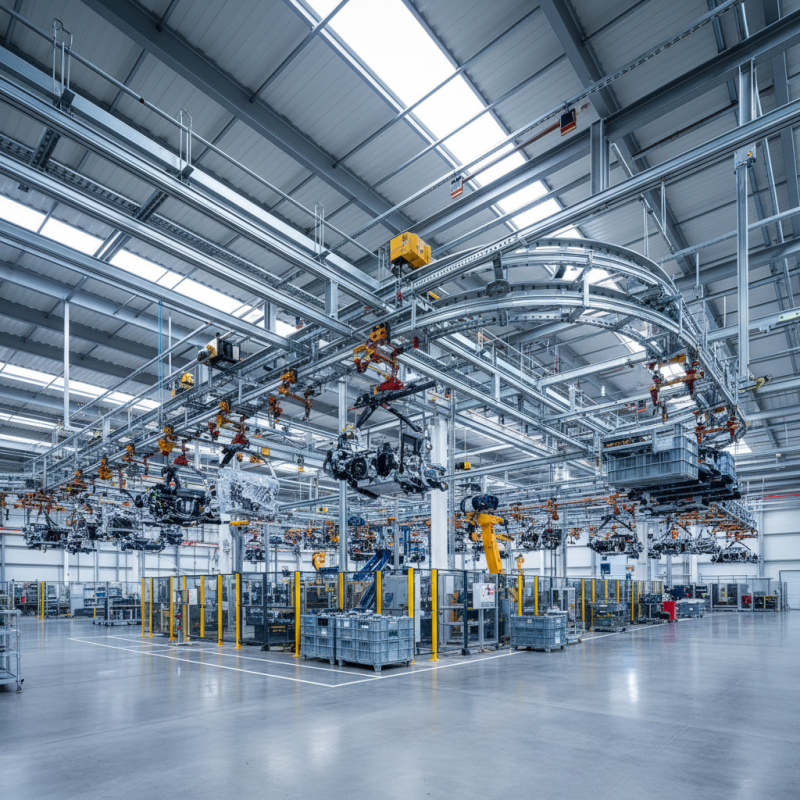
An overhead conveyor is a unique material handling system. It transports items along a suspended track. This design frees up floor space, creating a more efficient workflow. The overhead structure allows movement above other equipment and areas. Industries often use them in manufacturing, warehousing, and distribution.

Typically, overhead conveyors use a chain or belt system. These components maintain a continuous motion that helps accelerate productivity. Items can be hung or secured on trolleys attached to the conveyor. However, adjustments are sometimes needed to accommodate different product sizes. This can be a challenge for some operations.

The flexibility of an overhead conveyor is one of its key benefits. Systems can be customized to fit various layouts. Companies often appreciate this adaptability. Yet, there can be issues regarding maintenance. Regular inspections are crucial to keep everything running smoothly. Taking shortcuts can lead to downtime and delays.
Overhead Conveyor System Performance Metrics

This chart displays key performance metrics for overhead conveyor systems, including efficiency, speed, load capacity, and maintenance frequency. These metrics are important for understanding the operational capabilities of overhead conveyors.

Key Components of Overhead Conveyor Systems

Overhead conveyor systems are designed to transport materials efficiently in various industries. These systems consist of several key components that work together seamlessly. Understanding these parts is crucial for effective operation.

The drive unit is at the heart of the conveyor. It provides the power needed for movement. The motor's speed and torque determine how quickly items are transported. Next, the rail system, which supports and guides the load, plays a critical role. The quality of the rail affects the overall performance. Smooth movement reduces wear and tear.

Hangers are another important component. They connect the load to the rail and help maintain balance. Proper positioning of hangers ensures stability during transport. Additionally, the chain or belt is required to grip the items. It must be chosen carefully based on the load type. When any of these parts fail, it can lead to significant disruptions. Regular maintenance and inspection are important to catch small issues before they escalate.

How Overhead Conveyors Operate and Transport Goods

Overhead conveyors are efficient systems for transporting goods in warehouses and manufacturing plants. They operate by suspending products from a moving track above the ground. This design saves floor space and allows for seamless movement across various work areas. According to a recent industry report, overhead conveyors can boost productivity by up to 25% compared to traditional ground systems.

These systems utilize a variety of mechanisms, including chain-driven, belt-driven, or roller conveyors. Items are often placed on hooks or carriers that travel along an overhead track. This allows for easy handling of items and can integrate with automated systems. Maintenance of these systems is crucial, as wear and tear can lead to inefficiencies. It's reported that nearly 30% of conveyor downtime is due to maintenance issues.

However, despite their advantages, overhead conveyors have limitations. They require careful planning during installation. Miscalculations can lead to space issues and safety concerns. Retraining staff is often needed to adapt to new systems. This transition can take time, and some employees may feel uncertain. Continuous evaluation of the system's effectiveness is essential to ensure optimal functionality.

Advantages of Using Overhead Conveyors in Industries

What is Overhead Conveyor and How Does It Work?

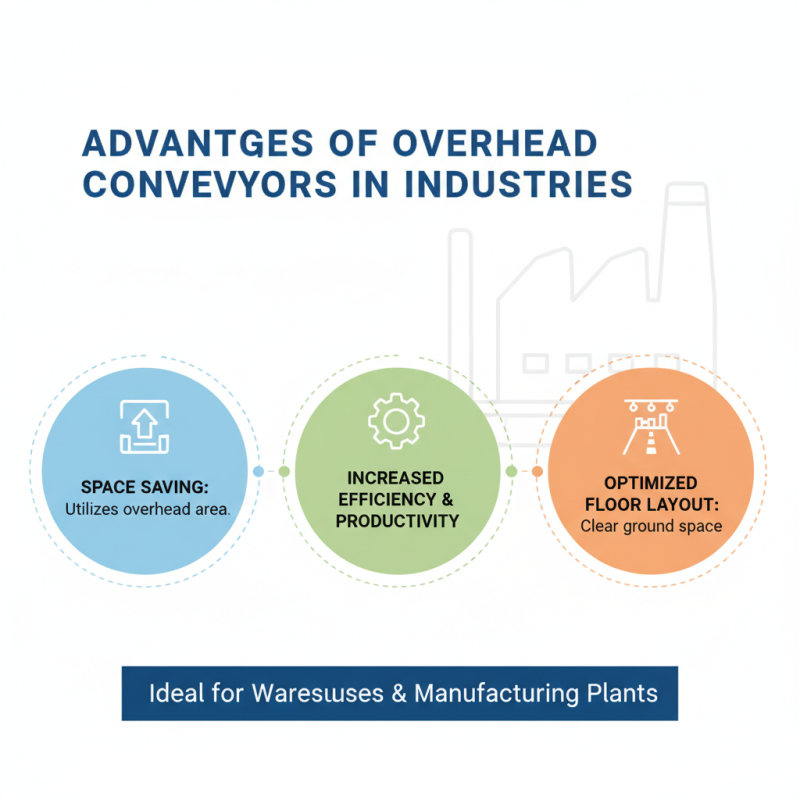
Overhead conveyors are gaining popularity in various industries. These systems offer unique advantages, improving efficiency and productivity. They save space by utilizing the overhead area, leaving the ground clear for other operations. This is particularly beneficial in warehouses and manufacturing plants.

One major advantage is their ability to handle heavy loads. Overhead conveyors can transport goods of different sizes and weights without strain. This reduces manual handling, minimizing the risk of injury. Additionally, they can operate in harsh environments, making them suitable for factories with dust, heat, or chemicals.

**Tip:** Regular maintenance is crucial. Inspect chains and components frequently to prevent breakdowns. Small issues can escalate if not addressed promptly.

The installation of overhead conveyors can also streamline workflows. They can be designed to fit specific factory layouts. This ensures that products move efficiently from one station to another. However, employees must be trained properly. Misunderstandings about the system may lead to accidents or inefficiencies.

**Tip:** Consider ergonomic factors. Adjust the heights of the conveyors to suit workers. This will enhance comfort and productivity. Remember, function should always meet safety.

Common Applications and Industries Utilizing Overhead Conveyors

Overhead conveyors are widely used in various industries. They transport materials and products efficiently above operations. This method saves floor space and improves workflow. Industries like automotive, food processing, and packaging heavily rely on these systems. They handle different items, from small parts to large assemblies.

In automotive manufacturing, overhead conveyors streamline assembly lines. They carry car parts to various stations. This setup minimizes downtime and boosts productivity. In food processing, overhead systems transport products through different stages. They maintain cleanliness and safety. The food moves without touching the floor, reducing contamination risks.

Despite their advantages, some challenges exist. Maintenance can be intricate. If one part fails, the whole system may stop. Employee training is essential. Workers need to understand how to interact with the system. Some may find it difficult initially. Adjustments to layouts can be tricky as well. Overall, while overhead conveyors offer efficiency, careful planning and management are crucial for success.

What is Overhead Conveyor and How Does It Work?

Dimension Data
Conveyor Type Overhead Chain Conveyor
Max Load Capacity 2000 lbs (907 kg)
Speed Range 10-100 ft/min
Width 12 - 36 inches
Common Applications Automotive, Food Processing, Manufacturing
Industries Utilizing Packaging, Aerospace, Pharmaceutical
Energy Consumption Low (Varies by design)
Installation Space Ceiling Height Required: 10 ft Minimum
Maintenance Interval Every 6 months
Amet mattis vulputate enim nulla aliquet. Id porta nibh venenatis cras sed felis dictumst vestibulum rhoncus est.
This error message is only visible to WordPress admins

Error: No feed found.

Please go to the Instagram Feed settings page to create a feed.

Quick links