Top 10 Electrical Insulation Paper Manufacturers Worldwide
Electrical Insulation Paper is a quiet, essential material in transformers, motors, generators, and capacitors. It separates conductive parts, supports winding structures, and helps control heat and electrical stress. In a transformer workshop, a thin sheet may sit between copper windings, where its thickness, surface condition, and moisture content matter. Small differences can affect processing and performance. The paper is easy to overlook.
The global supplier landscape includes established manufacturers and specialist producers serving different industries and regions. This overview of the Top 10 Electrical Insulation Paper Manufacturers Worldwide introduces companies active in this field and the product capabilities buyers may want to investigate. It considers factors such as product range, technical documentation, production experience, quality systems, and service coverage. These points can guide research, but they do not replace a qualified engineering review.
Specifications matter. Buyers should compare datasheets for properties such as thickness tolerance, tensile strength, dielectric performance, and thermal suitability. They should also confirm that a grade fits the intended application and applicable equipment requirements. Availability and product naming can vary by market, and public information may not tell the whole story. A ranking is therefore an imperfect shortcut, not a guarantee of suitability. Treat each company as a starting point, request current technical evidence, and verify details directly before making a purchasing decision.
What Electrical Insulation Paper Is and Where It Is Used
Electrical insulation paper is a thin, cellulose-based dielectric sheet used to separate conductors and reduce electrical leakage. In oil-filled transformers, it wraps copper or aluminum windings and helps prevent short circuits between tightly packed turns. It also appears in cables, motors, and generators, where it can line slots or separate conductive layers. Small, but critical. In transformers, the paper often works alongside insulating oil, which helps remove heat and supports electrical insulation. Its performance depends on temperature, moisture, electrical stress, and the quality of processing.
The International Energy Agency’s 2023 report, Electricity Grids and Secure Energy Transitions, says annual grid investment must rise from about USD 300 billion to more than USD 600 billion by 2030. This is a grid-wide estimate, not a forecast for insulation paper, but it signals growing pressure to expand and upgrade electrical infrastructure. Paper grades are selected for properties such as thickness, density, tensile strength, and compatibility with oil or resin. Moisture changes everything. Even a well-made sheet can lose insulating performance if stored or handled poorly. That practical detail is easy to overlook, and specifications alone cannot prevent every field problem.
How Leading Manufacturers Are Identified and Compared
Identifying leading electrical insulation paper manufacturers requires more than comparing catalogues. A credible assessment examines paper grades, production consistency, and documented test methods. Useful evidence includes thickness tolerance, tensile strength, moisture content, and dielectric performance. These values should come from repeatable tests, not a single impressive sample. Details matter.
Manufacturing capability also shows in how suppliers manage variation. Reviewers can ask for batch records, quality-control procedures, and samples from different production runs. A close look at the sheet may reveal uneven formation, rough edges, or pinholes that specifications alone miss. Technical support matters too. Clear guidance on winding, drying, and storage can help buyers judge whether a material suits a transformer or motor application. Still, a polished data sheet is not proof of reliable field performance.
Comparisons should weigh delivery consistency, traceability, and responsiveness alongside laboratory results. Independent testing can strengthen confidence, especially when methods and sample conditions are disclosed. Buyers should compare like with like: paper thickness, test temperature, conditioning, and measurement standards can change results. No ranking is perfect. Even careful evaluations may overlook differences between a controlled test and a real production line. A fair comparison makes its criteria visible and notes where evidence remains incomplete.
Top 10 Electrical Insulation Paper Manufacturers Worldwide: How Leading Manufacturers Are Identified and Compared
A transparent comparison framework for assessing manufacturers, without ranking or naming individual companies.
The percentages show illustrative editorial weights for a supplier-screening framework, not measured company results or an audited industry ranking. Relevant comparison factors include product testing and consistency, grade and thickness range, quality controls, technical documentation, traceability, delivery capability, and environmental information. Actual evaluations should be based on verified specifications and test records.
Profiles of 10 Electrical Insulation Paper Manufacturers Worldwide
These ten profiles compare manufacturers by capability, not by brand or ranking. They cover integrated kraft-paper mills, high-density cellulose producers, crepe-paper specialists, pressboard-and-paper suppliers, transformer winding-paper makers, cable-paper producers, specialty-treated paper converters, recycled-fiber operations, regional slitting and converting facilities, and custom-development teams. Each serves different equipment, voltage, and processing needs. A broad catalogue alone proves little.
The International Energy Agency’s 2023 report, Electricity Grids and Secure Energy Transitions, says annual grid investment must rise to more than USD 600 billion by 2030, nearly doubling current levels. This is a grid-investment estimate, not a direct forecast for insulation paper. Still, it signals the importance of dependable material supply. Evaluate tensile strength, moisture control, thickness consistency, and batch traceability. Ask how suppliers handle defects and production variation. Fit matters.
Tips: Request recent test data and a sample roll. Check winding behavior on your own equipment; a neat datasheet cannot reveal every shop-floor issue. Ask for the test method, not only the result. A small gap in documentation deserves follow-up.
Key Products, Materials, and Manufacturing Capabilities
Top 10 Electrical Insulation Paper Manufacturers Worldwide: Key Products, Materials, and Manufacturing Capabilities
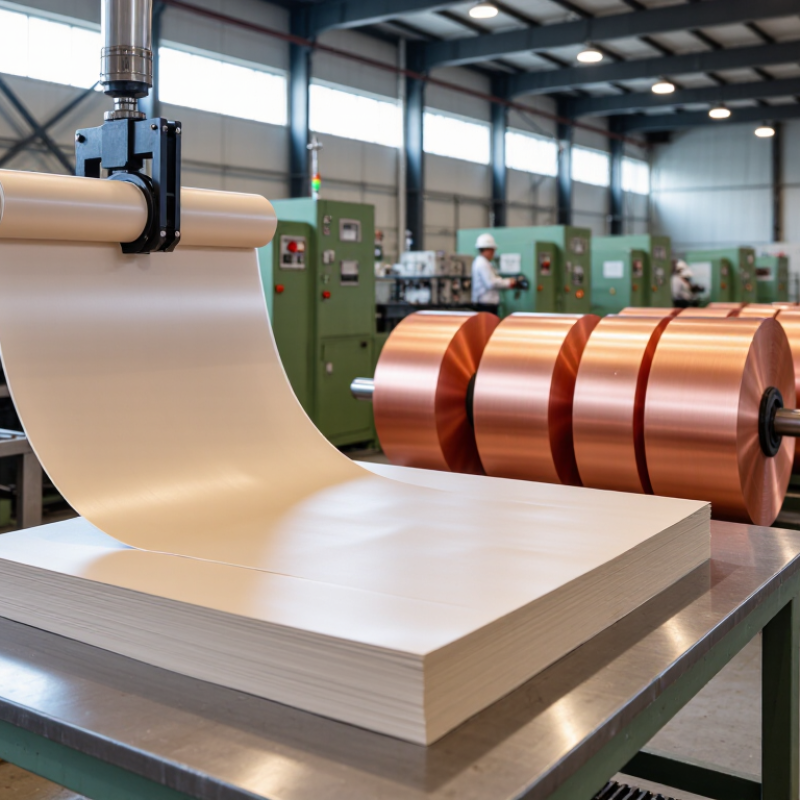
Electrical insulation paper ranges from unbleached kraft sheets to creped paper and thermally upgraded cellulose. Manufacturers may also supply pressboard, flexible laminates, and coated or resin-treated grades for transformers, cables, and other electrical equipment. Product selection depends on heat class, thickness, density, tensile strength, and moisture limits. A smooth sheet matters, but so does how consistently it performs after winding and drying.
Manufacturing capability shows up in details: pulp refining, calendering, clean slitting, and controlled drying help deliver uniform thickness and low contamination. Ask suppliers for test data on dielectric strength, moisture, and mechanical properties, plus batch traceability. IEC 60554-3-1 provides specifications for electrical-purpose cellulose paper. The wider grid outlook matters, too: the International Energy Agency’s Electricity 2024 report projects global electricity demand growth of about 3.4% annually from 2024 to 2026, increasing pressure to expand and maintain electrical infrastructure. Still, demand growth alone does not prove a paper grade is suitable.
Tips: Compare samples under your actual winding and drying conditions. Check certificates, but verify critical properties independently. A tidy datasheet is not the whole story.
Global Market Trends and Industry Developments
Electrical insulation paper is gaining attention as power networks expand and equipment ages. Demand is linked to transformers, motors, and new grid connections supporting renewable electricity. Manufacturers are refining sheet thickness, tensile strength, and moisture control. Small variations matter. Uneven paper can complicate winding and affect insulation performance after oil impregnation. Cellulose remains widely used, but heat and moisture gradually weaken it. That trade-off is easy to underestimate.
Industry developments include tighter process monitoring and more frequent inspection of thickness and surface defects. These steps can improve consistency, though they do not remove the need for application-specific testing. Buyers still need to compare electrical, mechanical, and thermal data under relevant conditions. Supply chains also face shifting pulp and energy costs, while transport delays can extend qualification schedules. The picture is uneven. Sustainability efforts include tracking fiber sources and reducing process waste, but recycled content is not automatically suitable for high-purity insulation. In practice, material choice depends on equipment design, impregnation method, and service conditions. Specifications sometimes look complete on paper; real operating temperatures and moisture exposure can still reveal gaps.