
OPEN FROM 9AM TO 5PM – CLOSED ON WEEKENDS
Choosing among the top 10 powder coating equipment suppliers worldwide requires more than comparing catalog prices. A reliable supplier must understand your parts, production volume, coating chemistry, and factory limitations. A small job shop needs flexible batch equipment. An automotive plant may require automated guns, conveyorized curing ovens, and precise process control. The difference becomes visible on the production floor: uneven film thickness, powder waste, clogged filters, or an oven that struggles during peak shifts.
Industry consultant and finishing specialist Rick Kline has often emphasized a practical principle: “There is no one-size-fits-all powder coating system.” That observation should guide every supplier comparison. Equipment performance depends on application accuracy, booth recovery, pretreatment quality, curing stability, maintenance access, and technical support after installation. A famous brand may still be unsuitable for a specific factory.
This guide examines ten internationally recognized suppliers through those practical criteria. It considers product range, engineering capability, automation, energy efficiency, spare-parts access, training, and customer service. Geographic coverage also matters. A supplier with strong local technicians can resolve a failed conveyor sensor faster than a distant service team.
The ranking is not absolute. That deserves honesty. Different manufacturers prioritize different outcomes, and published performance claims may not reflect every workshop. Real operating conditions can expose weaknesses that brochures hide. Therefore, buyers should request sample testing, detailed specifications, lifecycle costs, and references from comparable facilities. The best powder coating equipment is not always the most advanced. It is the system that delivers repeatable finishes, manageable operating costs, and dependable support over time.
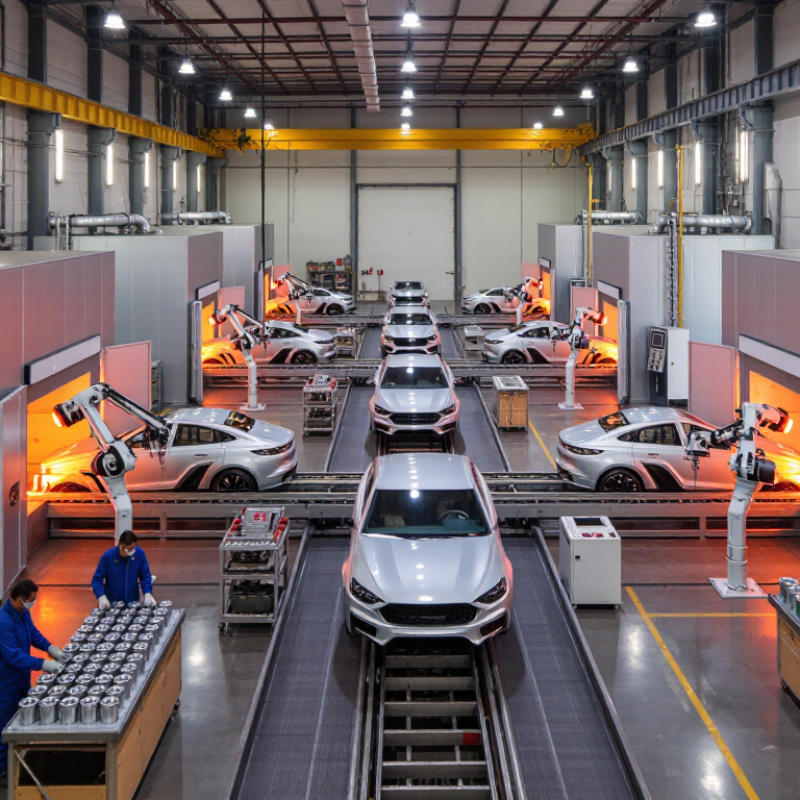
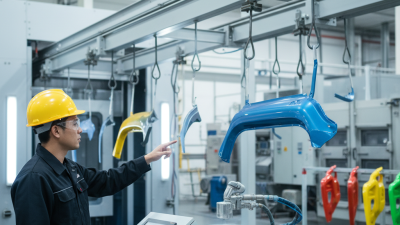
Powder coating equipment is more than a spray gun and oven.
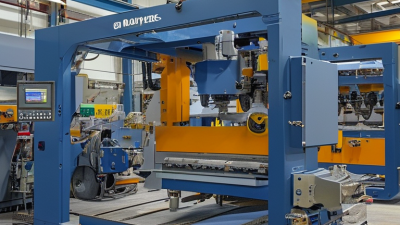
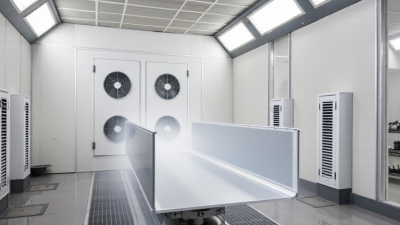
A complete line usually includes surface preparation tools, a powder booth, spray guns, air filters, curing equipment, and a conveyor system. Each part affects coating quality.
The process starts with cleaning and drying the metal surface.
Clean metal matters. An electrostatic spray gun gives powder particles an electrical charge. The grounded workpiece attracts these particles, creating an even layer.
Air movement and operator distance still matter. Overspray can be reduced, but it cannot be removed completely.
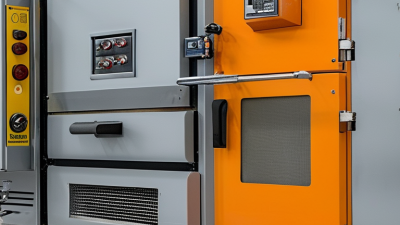
After spraying, the coated part enters a curing oven.
Controlled heat melts the powder and forms a durable finish. Temperature must be measured on the workpiece, not only inside the oven.
A conveyor or batch system controls movement and production speed. Cooling sections allow the coating to harden safely.
Small workshops may use manual booths and compact ovens. Large factories often add automatic guns, recovery units, and closed-loop controls.
When comparing the top ten powder coating equipment suppliers worldwide, buyers should inspect system compatibility.
Ask for airflow data, gun transfer efficiency, oven temperature uniformity, spare parts, and operator training. A polished brochure is not enough.
Poor grounding or incorrect curing can cause thin areas, orange peel, or weak adhesion. Operators often adjust settings after real production begins.
Reliable suppliers explain limitations clearly and provide practical testing before installation.
Evaluating global powder coating equipment suppliers requires more than comparing catalog prices. Experienced buyers examine coating thickness, transfer efficiency, oven temperature stability, and recovery performance. They ask whether the equipment can handle actual production loads, not only showroom samples. A supplier’s field experience matters. Installation records, operator training, maintenance guidance, and documented troubleshooting show practical competence. Clear technical drawings also reveal how seriously a supplier manages project risk.
Reliability is measured over time. Reviewers inspect warranty terms, spare-part availability, response times, and service coverage across regions. They may request references from facilities with similar booth sizes, conveyor speeds, and material types. Independent testing, recognized safety documentation, and consistent quality records strengthen a supplier’s authority. Energy use deserves attention too. An oven that reaches temperature quickly but loses heat around its doors may create hidden operating costs. Small details matter.
No scorecard is perfect. A low purchase price can conceal complex maintenance. A polished presentation can hide weak local support. Some evaluations also overlook operator feedback, which is a mistake. Walk through a working line when possible. Listen for unusual fan noise, inspect powder buildup, and check control-panel clarity. Digital monitoring sounds impressive, but poor data may still mislead managers. The strongest assessment combines measured performance, verified experience, technical evidence, and honest discussion of limitations.
Choosing among the top 10 powder coating equipment suppliers worldwide requires more than comparing catalog prices. The strongest suppliers usually cover the full line: pretreatment systems, spray booths, application guns, curing ovens, conveyors, and powder recovery units. During factory visits, I look for clean airflow, stable oven temperature, and accessible controls. Small details matter. A poorly sealed booth can waste powder and create uneven finishes.
Reliable suppliers provide test data, installation drawings, electrical specifications, and documented maintenance intervals. They should explain transfer efficiency, coating thickness, line speed, and energy use in practical terms. A serious technical team also runs sample panels before final design approval. Those panels reveal orange peel, thin edges, grounding problems, and color-change delays. Service capacity matters worldwide. Spare parts, remote diagnostics, training, and local technicians can prevent a short stoppage from becoming a costly production failure.
Still, no supplier is perfect. Some impressive proposals hide complex cleaning routines or expensive upgrades. I would question guaranteed performance without part samples and measured conditions. Buyers should compare five-year operating costs, not only the purchase price. Ask for references from facilities with similar metals, batch sizes, and finish requirements. The best choice may not offer the fastest line. It should offer repeatable results, transparent limits, and responsive support after commissioning.
| Rank | Supplier Profile | Primary Market Reach | Main Equipment Portfolio | Automation Capability | Typical Production Scale | Common Application Sectors | Service Coverage | Market Visibility |
|---|---|---|---|---|---|---|---|---|
| 1 | Supplier Profile A | Global; strong coverage in Europe, North America and Asia-Pacific | Automatic booths Reciprocators Conveyor lines | High; integrated controls, recipe management and line monitoring | Large-volume industrial and automotive component lines | Automotive parts, appliances, metal furniture and general industry | Engineering, installation, commissioning and aftermarket support | ★★★★★ |
| 2 | Supplier Profile B | Global; established presence across Europe and the Americas | Powder guns Booths Ovens | High; suitable for centralized production control | Medium- to high-throughput coating operations | Industrial equipment, wheels, fabricated metal and construction products | Spare parts, technical training and process optimization | ★★★★★ |
| 3 | Supplier Profile C | Global; particularly visible in Asia-Pacific and Europe | Manual systems Automatic guns Booth recovery | Medium to high; modular automation options | Small-batch through continuous industrial production | Metal furniture, lighting, agricultural equipment and general fabrication | Local distributors, remote support and maintenance packages | ★★★★☆ |
| 4 | Supplier Profile D | Europe, North America, Middle East and selected Asian markets | Turnkey lines Pretreatment Curing ovens | High; complete line integration and data monitoring | Medium- to large-scale continuous lines | Architectural aluminum, automotive components and industrial machinery | Project design, installation, validation and lifecycle support | ★★★★☆ |
| 5 | Supplier Profile E | Global export coverage with strong regional partner networks | Spray equipment Color-change systems Powder recovery | High; designed for fast color changes and reduced powder waste | Medium- and high-mix production environments | Appliances, office equipment, metal components and consumer products | Application testing, operator training and consumables support | ★★★★☆ |
| 6 | Supplier Profile F | North America, Europe and selected international markets | Batch ovens Manual booths Curing systems | Medium; flexible equipment for varied production requirements | Small- to medium-volume and job-shop production | Custom metalwork, railings, machinery and repair operations | Regional field service and replacement-part availability | ★★★★☆ |
| 7 | Supplier Profile G | Asia-Pacific, Middle East, Africa and export-oriented markets | Complete plants Conveyors Pretreatment systems | Medium to high; scalable systems for industrial expansion | Medium- to large-volume production | Construction materials, aluminum profiles, appliances and automotive suppliers | Turnkey project assistance and distributor-led service | ★★★☆☆ |
| 8 | Supplier Profile H | Europe and neighboring export markets | Compact booths Manual guns Small ovens | Medium; emphasis on accessible and adaptable systems | Small- to medium-batch manufacturing | Metal furniture, bicycle parts, decorative products and light fabrication | Direct technical assistance and regional service partners | ★★★☆☆ |
| 9 | Supplier Profile I | North America, Latin America and selected overseas markets | Industrial ovens Booths Material handling | Medium; automation available for specific line sections | Medium-volume industrial coating | Heavy equipment, fabricated steel, electrical enclosures and machinery | Application consultation, installation and maintenance services | ★★★☆☆ |
| 10 | Supplier Profile J | Regional strength with international project capability | Manual equipment Batch systems Basic recovery | Basic to medium; suitable for gradual automation | Small- and medium-scale production | General metal finishing, agricultural products and custom fabrication | Local installation, operator support and parts supply | ★★★☆☆ |
Note: Supplier names and brands are intentionally omitted. Rankings are presented as an anonymized comparison based on product breadth, automation capability, geographic reach, production scale and service coverage.
Leading powder coating equipment suppliers typically provide complete production systems, not isolated machines. Their portfolios often include electrostatic spray guns, automatic reciprocators, manual booths, curing ovens, conveyors, and powder recovery units. These products support applications ranging from metal furniture to automotive components.
Technology differences become clearer during daily operation. Modern spray systems use adjustable voltage, controlled powder flow, and fast color-change functions. Some suppliers integrate robotic arms for consistent coverage on complex parts.
Others focus on cyclone recovery, cartridge filtration, and closed-loop powder reuse. Energy-saving ovens may combine insulated chambers, precise temperature sensors, and intelligent airflow controls. Digital monitoring can track gun performance, oven temperature, powder consumption, and maintenance alerts.
A reliable supplier should offer equipment testing, installation guidance, operator training, and accessible spare parts. In practical plant evaluations, stable grounding often matters as much as advanced software. Poor grounding can create uneven coverage, wasted powder, and rework. The ranking is not absolute. A supplier with excellent automation may not suit a small workshop with frequent color changes. One limitation remains: advertised efficiency can differ from factory results. Production speed, part geometry, humidity, and operator habits all influence performance. Careful trials using real workpieces remain essential before purchasing a complete line.
Top 10 Powder Coating Equipment Suppliers Worldwide
How to Select the Right Powder Coating Equipment Supplier
Choosing among the top 10 powder coating equipment suppliers worldwide requires more than comparing prices. Start with your coating volume, part dimensions, powder type, and available workshop space. A reliable supplier should explain airflow, curing temperature, transfer efficiency, and maintenance needs in practical language. Ask for performance data from installations similar to yours.
Experience matters. Request a live equipment demonstration or speak with existing users about daily operation, cleaning time, and spare-part response. Check whether the supplier provides operator training, installation guidance, technical drawings, and documented safety procedures. Good support continues after delivery. A low purchase price can become expensive when troubleshooting is slow.
Tips: Measure your largest workpiece before requesting a quotation. Confirm electrical requirements and oven recovery time. Ask how quickly filters, guns, and control components can be replaced. Test coating uniformity on corners and recessed areas. Do not accept vague claims. Get them in writing.
I once underestimated cleaning time during a production review. That mistake affected the schedule more than expected. Supplier evaluation should include real workflow tests, not only catalog specifications. Visit a facility if possible, inspect cable protection, observe powder recovery, and question the maintenance team. Also review warranty limits, software updates, training duration, and long-term service coverage. The best supplier is not always the largest. It is the one that understands your process and communicates honestly when a proposed solution has limits.