Top Shrink Bag Trends for 2026 What You Need to Know
As the demand for efficient packaging solutions grows, the Shrink Bag industry is witnessing significant transformations. According to a recent report by Grand View Research, the global shrink packaging market is projected to reach $18.5 billion by 2026, with an annual growth rate of 5.3%. This growth indicates a rising preference for shrink bags in various sectors, including food, textiles, and consumer goods.
Shrink bags offer unique benefits, such as protection, visibility, and convenience. They effectively minimize product damage and improve shelf life. Furthermore, advancements in materials, such as biodegradable options, enhance their appeal. However, reliance on single-use plastics remains a challenge, sparking ongoing discussions about sustainability in packaging.
Industry professionals are urged to consider both innovation and environmental impact. Understanding market trends in shrink bags is crucial for adapting to consumer preferences. Balancing cost, efficiency, and sustainability will define the future of packaging.
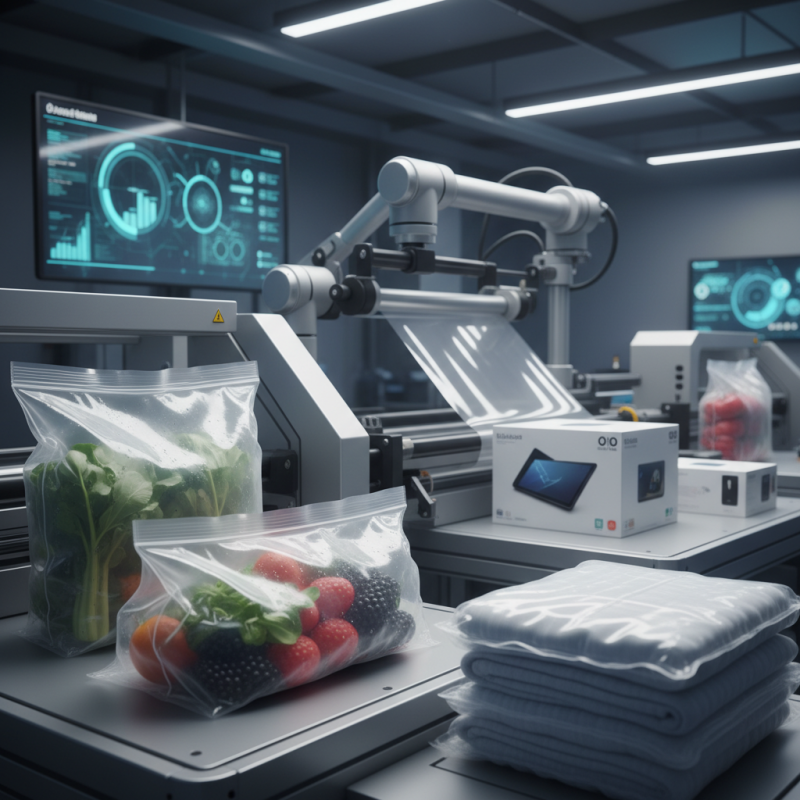
Emerging Innovations in Shrink Bag Technology for 2026
As we look ahead to 2026, shrink bag technology is evolving rapidly. New materials and methods are changing the landscape. Sustainability is at the forefront. Biodegradable options are emerging, reducing environmental impact. These innovations, while promising, require careful consideration of their real-world performance. Will they hold up as well as traditional materials?
Another trend involves advanced sealing techniques. Improved seal integrity can prevent leaks. This ensures that products remain protected during shipping and storage. However, these technologies must be tested rigorously. Companies may face challenges in ensuring consistency in production. Minor errors can lead to significant issues, impacting product safety.
Smart shrink bags are also on the rise. They incorporate sensors to monitor freshness. This could revolutionize how we manage inventory. The technology sounds great, but the costs might be high. Small businesses may struggle to adopt these advanced solutions. Balancing innovation with affordability will be crucial for widespread acceptance.
Sustainability Trends Impacting Shrink Bag Production and Use
The shift toward sustainability is reshaping shrink bag production. According to a recent market report, over 70% of consumers now prefer eco-friendly packaging. This trend drives manufacturers to seek innovative materials that reduce environmental impact. Biodegradable plastics and recycled content are gaining traction. They not only meet consumer demands but also comply with tightening regulations.
In 2026, manufacturers will face challenges in sourcing sustainable materials. Traditional plastics remain prevalent, often due to cost and availability. Recent data suggests that while biodegradable options account for only 15% of the market, their growth is estimated at 20% annually. This is encouraging, yet the transition is slow. Companies must balance sustainability ambitions with practical production processes.
Opting for sustainable shrink bags is a key consideration. However, many businesses struggle with implementation, often due to higher initial costs. Awareness and education play crucial roles here. Industry experts emphasize the importance of collaboration across the supply chain to overcome these obstacles. Innovative solutions will emerge as companies invest in sustainable practices.
Consumer Preferences Shaping the Future of Shrink Bags
As the demand for shrink bags evolves, consumer preferences are becoming increasingly central to industry trends. A recent report from Packaging Innovations highlights that 72% of consumers prefer sustainable packaging options. This shift reflects an awareness of environmental issues and a craving for responsibility in product packaging. In response, manufacturers are experimenting with bioplastics and recyclable materials, aiming to align with these consumer values.
Moreover, aesthetic appeal plays a crucial role in consumer choices. Data from the Market Research Council indicates that about 65% of shoppers are drawn to visually appealing packaging. This has pushed companies to invest in advanced printing technologies to create vivid designs. However, not all designs resonate well with consumers. Fluctuating tastes mean what sells today might not have the same appeal tomorrow.
Quality remains a key factor too. Research by the National Packaging Association shows that 80% of consumers prioritize durability in their packaging choice. Shrink bags must withstand transportation and storage conditions without compromising product integrity. Yet, manufacturers sometimes overlook this aspect, focusing excessively on looks. Balancing aesthetics and functionality continues to be a challenge in the industry.
Market Analysis: Key Players and Competitive Landscape in 2026
As the shrink bag market evolves, understanding the competitive landscape is crucial. Key players are becoming more innovative, focusing on sustainable materials and enhanced functionality. With consumer preferences shifting towards eco-friendly options, companies are rushing to adapt their products accordingly. This shift could redefine packaging norms in the upcoming years.
Tips: Evaluate supplier reputation before making bulk purchases. Look for certifications that ensure product safety and quality. Testing samples beforehand can save costs and time.
The competition is not just about who has the largest market share. It’s also about who can offer the most effective solutions. Familiarity with current trends can provide insights into potential partners or competitors. It’s essential to keep up-to-date with industry reports and market analysis. This practice can enhance strategic planning.
Tips: Stay connected with industry events and online forums. Networking can open doors to new opportunities. Analyze consumer feedback regularly; it can guide product adaptations.
Regulatory Changes and Their Influence on Shrink Bag Design
As we approach 2026, regulatory changes will significantly impact shrink bag designs. New standards demand clearer labeling and improved recyclability. These shifts ensure products are more environmentally friendly. Companies must adapt to avoid penalties and enhance their market standing.
Tips: Always stay updated on regulations. Regularly check for new guidelines that affect packaging. Engage with local authorities for clearer interpretations.
Innovations will focus on biodegradable materials. This transition responds to growing consumer demand for sustainability. Brands willing to invest in research will stand out. However, achieving compliance may require trial and error. Not every solution will work initially. Learning from failures is crucial for long-term success.
Focusing on transparency is another trend. Regulatory bodies now emphasize ethical practices. Brands should openly share sourcing and production methods. This can build trust with consumers. Yet, some companies may struggle with full transparency. Balancing business competitiveness and transparency poses challenges.
Top Shrink Bag Trends for 2026 - What You Need to Know
| Trend | Impact of Regulatory Changes | Sustainability Focus | Design Innovations |
| Biodegradable Materials | Increased regulations promoting eco-friendly packaging. | Shift towards materials that decompose naturally. | New formulations for stronger yet lighter bags. |
| Tamper-Evident Features | Compliance with safety regulations enhancing consumer trust. | Focus on consumer safety and the prevention of contamination. | Designs that incorporate seals and visual indicators. |
| Smart Packaging Technology | Regulatory requirements for traceability boosting tech adoption. | Integration of QR codes and environmental tracking systems. | Innovations in interactive designs for enhanced user experience. |
| Recyclable Shrink Bags | Policies enforcing recyclability leading to industry shifts. | Promotion of closed-loop recycling systems. | New production methods allowing for easy recycling processes. |
| Customizable Sizes and Formats | Regulatory standards driving demand for variety in product packaging. | Materials that suit diverse product types with minimal waste. | Flexible design options for special product needs. |