Why Should You Use Nose Breathe Strips for Better Breathing?
Proper breathing is essential for overall health. Many people overlook this simple yet crucial aspect of wellness. "Nose Breathe Strips" can significantly enhance breathing efficiency. According to a study by the American Academy of Otolaryngology, nasal obstruction affects up to 25% of the population. This can lead to sleep disturbances and reduced physical performance.
Nasal strips promote airflow through the nasal passages. They help in cases of congestion caused by allergies, colds, or exercise. Research indicates that improved nasal breathing can increase oxygen uptake, leading to better endurance during physical activities. Many athletes report higher performance levels when using these strips.
However, not everyone might experience benefits. Some users find discomfort or a false sense of security. It’s important to listen to your body. Understanding how "Nose Breathe Strips" work is crucial for making informed choices. Reliable sources highlight their effectiveness, yet personal experience varies. Always consider consulting a healthcare professional for advice tailored to your needs.
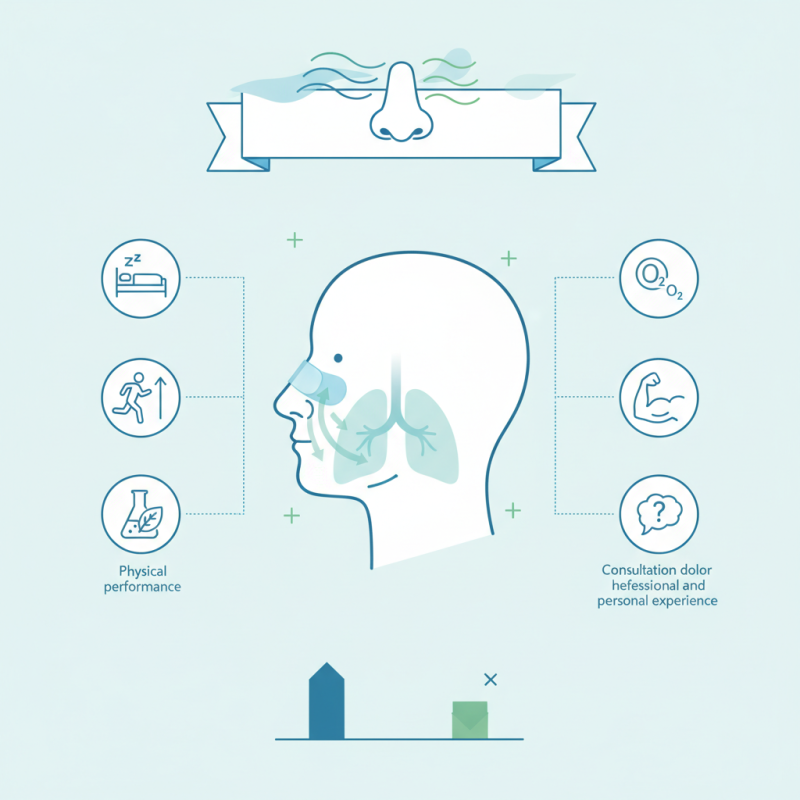
Understanding Nose Breathe Strips: What They Are and How They Work
Nose breathe strips are designed to enhance airflow through your nasal passages. They consist of flexible materials that adhere to the outside of your nose. When applied, these strips physically pull open the nostrils, allowing for easier breathing. This can be particularly helpful during sports, sleep, or when experiencing nasal congestion. Many users report improved comfort and nasal airflow while using them.
Understanding how these strips work helps clarify their benefits. By widening the nostrils, they reduce resistance during inhalation. This can significantly enhance oxygen intake during physical activities. Moreover, they may help minimize snoring by keeping the airways open. Users have mentioned varied experiences, with some loving the immediate relief while others find them less effective in extreme congestion.
Using nose breathe strips can be a simple solution for those who struggle with breathing issues. However, they are not a permanent fix. If allergies or sinus issues persist, a healthcare professional’s advice is crucial. It's good to explore all available options, considering both quick fixes and long-term solutions.
Benefits of Using Nose Breathe Strips for Improved Breathing Efficiency
Nose breathe strips can enhance your breathing efficiency. They work by physically opening your nostrils. This increases airflow during activities like exercise or sleep. Improved airflow leads to better oxygen intake. It can also reduce snoring, benefiting both you and your partner.
Using these strips may feel odd at first. Some people find them uncomfortable. However, with practice, they become a helpful tool. Increased nasal airflow can lead to less congestion and clearer breathing. This can enhance overall well-being, especially for those prone to allergies.
Another benefit is that they encourage a natural breathing pattern. This can be more effective than mouth breathing. Many don’t realize how much they miss out by not using their noses effectively. Reflecting on your breathing habits can reveal areas for improvement.
Comparing Nose Breathe Strips to Other Breathing Alternatives
Nose breathe strips have emerged as a popular choice for enhancing respiratory function. Studies indicate that 20% of adults experience chronic nasal congestion. This condition can impede physical performance and overall well-being. Compared to alternatives like nasal sprays, nose breathe strips offer a non-invasive solution. They stick comfortably to the nose and physically widen the nostrils. This allows for increased airflow, making it easier to breathe during exercise or sleep.
Research highlights that increased nasal airflow can improve oxygen intake. One study reported a 15% increase in oxygenation during physical activities when using these strips. They can be particularly beneficial for athletes seeking to optimize their performance.
Tips: For the best results, ensure the skin around your nose is clean and dry. This enhances adhesion and effectiveness. Remember, it’s essential to consult a healthcare professional if nasal congestion persists. Balancing reliance on nose breathe strips and other treatments can lead to a more holistic approach to managing breathing difficulties. Reflect on your breathing habits regularly. Are there habits contributing to your congestion?
How to Properly Apply and Remove Nose Breathe Strips for Best Results
Using nose breathe strips can enhance your breathing comfort. When applying these strips, the technique matters. Start with clean, dry skin around your nostrils. This prepares the area for the strip to adhere effectively. A study published in the Journal of Clinical Sleep Medicine revealed that proper adhesion can improve airflow by up to 38%.
To apply the strip, align it with your nostrils, ensuring it's centered. Press gently for a snug fit. Avoid touching the sticky side to keep it clean. After a few hours, remove the strip slowly. Pull from the edges towards the center, which can help minimize discomfort. The NEJM has highlighted that discomfort during removal can often lead to improper usage in the future.
Reflect on your experience. Did the strip feel secure? Were the results noticeable? Focusing on your individual reactions can guide future applications. Monitoring any changes in your breathing can also help you gauge effectiveness. Remember, every user’s experience can vary. Adjust your technique as necessary, based on what feels right for you.
Why Should You Use Nose Breathe Strips for Better Breathing? - How to Properly Apply and Remove Nose Breathe Strips for Best Results
| Aspect | Details |
| Purpose | Enhances airflow through the nose, helping to improve breathing during sleep or physical activities. |
| Benefits | Reduces snoring, alleviates nasal congestion, increases oxygen intake. |
| Material | Flexible and hypoallergenic materials designed for skin safety. |
| How to Apply | 1. Clean and dry the nose area. 2. Remove the strip from its backing. 3. Position it over the nostrils and press down firmly. |
| How to Remove | Gently lift the edge of the strip and peel away from the skin. If necessary, moisten with warm water for easier removal. |
| Best Practices | Use on a clean, dry nose; avoid using on irritated skin; can be used nightly for optimal results. |
Who Can Benefit Most from Using Nose Breathe Strips?
Nose breathe strips can greatly benefit various groups of people. Athletes, for instance, often seek to improve their breathing efficiency during intense physical activities. According to the American Physiological Society, nasal breathing can increase oxygen exchange and enhance endurance. This adaptation can lead to improved athletic performance, particularly in endurance sports.
Individuals with allergies or sinus issues may also find nose breathe strips helpful. Many suffer from nasal congestion due to seasonal allergies, which can obstruct airflow. A study published in the Journal of Allergy and Clinical Immunology reveals that nasal obstruction can decrease oxygen levels by up to 15%. By using nose breathe strips, these individuals might experience better airflow, leading to easier breathing and increased comfort.
Moreover, people suffering from sleep apnea can benefit from nose breathe strips. This condition affects approximately 22 million Americans, impacting their quality of sleep. Research in the Archives of Internal Medicine shows that improving nasal airflow can reduce the severity of sleep apnea symptoms. Users of nose breathe strips may experience a more restful night by enhancing their breathing patterns. Each group can experience significant improvements, but it’s essential to consult with healthcare professionals for personal advice tailored to individual needs.
Benefits of Nose Breathe Strips for Better Breathing
The chart above illustrates the percentage of users who report various benefits from using nose breathe strips. As seen, most respondents experience improved sleep quality and enhanced nasal airflow, showcasing the positive impact these strips can have on respiratory health.