What Are the Best Conveyor Systems in 2026?
Choosing the best conveyor systems in 2026 is less about finding one universal winner and more about matching equipment to the work. A parcel hub moving mixed cartons has different needs from a food plant handling washdowns or a warehouse replenishing narrow pick aisles. Belt, roller, modular, and overhead designs each solve particular flow problems. None is automatically best.
Industry investment points to growing interest in automation. The 2024 MHI Annual Industry Report found that 55% of surveyed supply chain professionals planned to increase technology investment. That figure describes respondents’ intentions, not a guarantee that automation will pay off at every facility. Still, it helps explain why buyers are comparing conveyors alongside sortation, robotics, and warehouse software. The right choice depends on measured throughput, product dimensions, layout, uptime targets, and maintenance capacity.
Small details matter. A scuffed carton, a noisy roller, or a jam at a transfer point can reveal weaknesses that a sales brochure misses. Buyers should compare usable capacity, controls integration, energy use, safety features, cleaning needs, and access to replacement parts. They should also ask vendors for references from facilities with similar loads and operating conditions. Then test the proposed design against peak demand, not just an average shift. A neat ranking can still mislead. Real sites are messy. This guide evaluates leading conveyor options for 2026 using practical applications, documented industry context, and trade-offs worth checking before purchase.
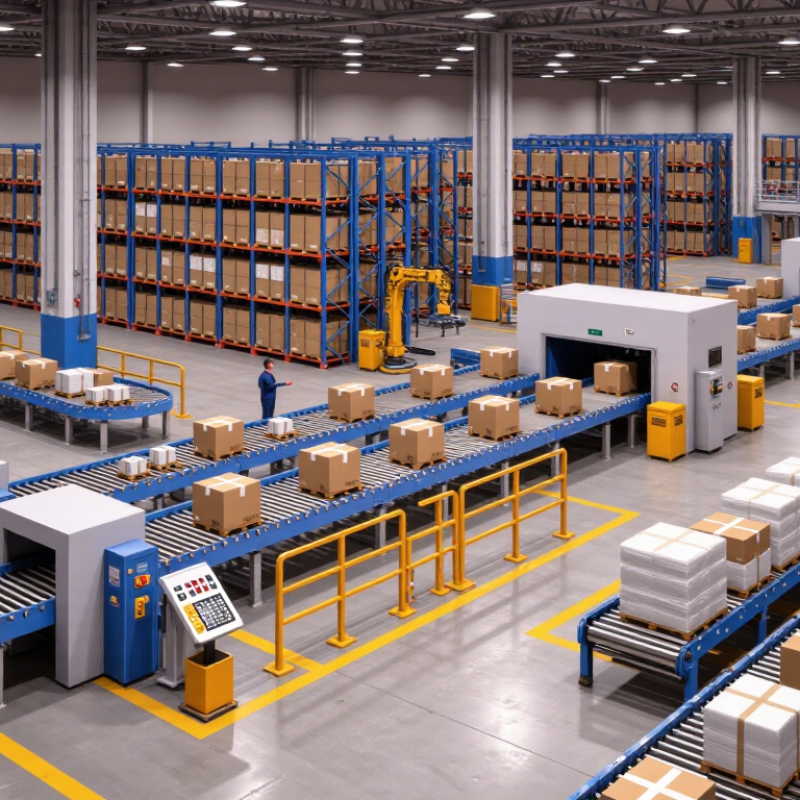
What Conveyor Systems Are and How They Work
A conveyor system moves goods along a planned route using belts, rollers, chains, or overhead tracks. Its frame supports the moving surface, while a motor and drive components provide motion. Items may travel continuously or stop at workstations. It sounds simple. In practice, speed, load, and spacing must match the task. A belt carrying light cartons needs different support from rollers moving heavy bins. Sensors can detect products and trigger gates or stops, while a controller coordinates these actions. Without clear spacing, cartons may collide or arrive before a worker is ready.
Roller conveyors use rotating cylinders, powered or moved by gravity. Belt conveyors offer a continuous surface for smaller items or uneven packages. Chain systems can handle heavier loads, while overhead conveyors keep floor space open. The choice depends on product shape, weight, route, cleaning needs, and how often the layout may change. A design can look efficient on paper yet create jams at a tight turn. That is worth checking with real package dimensions and operating speeds, not assumptions alone.
Tips: Walk the route before selecting equipment. Note turns, slopes, pinch points, and places where items collect. Test with representative loads, including awkwardly shaped packages. Keep guards in place and make emergency stops accessible. Recheck the setup after changes; small adjustments can alter spacing and flow.
What Are the Best Conveyor Systems in 2026?
There is no single best conveyor for every job. Belt conveyors are commonly used for continuous movement of bulk materials or packages; roller conveyors move suitable items along rollers; screw conveyors move bulk material inside a trough or tube; and pneumatic conveyors move powders or granules through pipes using airflow. The right choice depends on the material, route, throughput, and operating conditions.
How Belt Speed Affects Theoretical Conveyor Capacity
Calculated using Q = 3,600 × A × v × ρ, where A is loaded material cross-sectional area (0.05 m²), v is belt speed (m/s), and ρ is bulk density (1.6 t/m³). These are theoretical values under fixed assumptions, not guaranteed system ratings; actual capacity depends on material, loading, belt width, incline, and other design factors.
Which Conveyor Types Lead in 2026
Which Conveyor Types Lead in 2026?
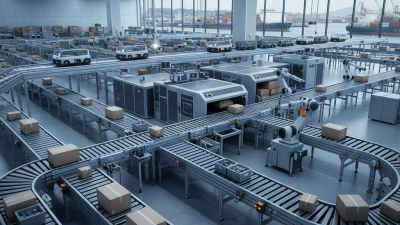
In 2026, belt conveyors remain a practical choice for steady movement of cartons, parcels, and packaged goods. They handle long, simple routes with few transfer points. Roller conveyors suit flat-bottomed loads and work well near packing benches, where staff can reach items easily. For mixed orders, automated sortation conveyors direct parcels into separate lanes. Their value depends on accurate scanning and a layout that avoids bottlenecks.
Demand for adaptable systems is also shaping conveyor choices. The 2024 MHI Annual Industry Report found that 55% of surveyed supply-chain professionals planned to increase investment in supply-chain innovation. That figure signals interest in technology, not a guarantee that automation suits every facility. A short powered conveyor may outperform a complex system when order volumes are low or product sizes vary widely. The overlooked detail? Maintenance access. A jammed transfer point can slow an entire line.
Tips: Map peak-hour volume, load dimensions, and stopping points before choosing a conveyor. Test with real products, including awkward cartons. Leave room for cleaning and repairs. A small pilot can reveal issues a drawing misses.
How to Compare Conveyor Systems by Performance and Cost
Comparing conveyor systems in 2026 starts with the job, not the equipment catalogue. Record the required throughput, load sizes, travel distance, and peak operating hours. A line moving 600 cartons per hour has different needs from one carrying irregular, heavy components. Measure actual flow during a busy shift, not only under ideal conditions. Short test runs help. Note jams, manual handling, and noise, too.
Performance is more than speed. Compare uptime, energy use, maintenance access, and how easily the system handles product changes. A faster conveyor may create bottlenecks at packing stations, while a slower one may keep the whole line steadier. That trade-off is easy to miss. For cost, include purchase and installation expenses, energy, spare parts, labor, and planned downtime over the expected service life. Ask suppliers for assumptions behind their estimates, then check them against your own operating data. A low upfront price can be misleading if motors are difficult to reach or routine cleaning takes longer than expected. Build in some flexibility; forecasts are rarely perfect. Keep a little doubt. The best comparison reflects your site, staffing, and maintenance capacity, rather than a single headline speed.
Which Industries Benefit Most from Each Conveyor Type
Belt conveyors suit food processing, parcel hubs, and packaging lines, where steady movement matters more than precise spacing. A textured belt can carry cartons around a curve, while a washdown-ready design may suit wet production areas. But choosing one for every product is tempting—and often wrong. Sticky residue and sharp edges can shorten belt life.
Roller conveyors work well in warehouses and distribution centers handling boxed goods. Gravity rollers need little power on a gentle slope; powered rollers help control cartons at merges and scanning points. Chain or slat conveyors are common in automotive plants and other heavy manufacturing, where fixtures or hot, bulky parts need firm support. They are robust, but usually less forgiving when product sizes vary.
For agriculture, food production, and building-material plants, screw conveyors can move grain, flour, or fine bulk material through enclosed troughs. Dust changes the choice. Pneumatic systems can carry dry powders through pipes in food and process facilities, especially when floor space is tight. They may use more energy, and bends can wear. Real layouts complicate neat comparisons: a short test run with the actual load can reveal problems that a specification sheet misses.
How to Choose the Best Conveyor System for Your Needs
Choosing a conveyor system begins with the product, not the catalog.
Record each item’s weight, dimensions, packaging, and hourly volume. Note where flow surges, stops, or changes direction. A narrow roller conveyor may suit rigid cartons, while lightweight parcels or irregular items may need a belt. Dust, washdown, temperature, and available floor space also affect the choice.
Budget for the whole operating life.
Include installation, controls, energy, maintenance access, spare parts, and downtime—not just purchase price. The 2024 MHI Annual Industry Report found that 55% of surveyed supply-chain leaders planned to increase investment in supply-chain innovation. That signals growing interest in automation, but it does not prove a conveyor is right for every site. Measure your own bottlenecks.
Ask suppliers to model peak and normal throughput using your actual product mix. Test the smallest, heaviest, and most fragile items; watch for jams at transfers and curves. Check whether workers can reach sensors and clear blockages safely. A useful pilot can reveal awkward gaps in the layout. It may also expose assumptions you missed. Compare simple gravity rollers with powered systems where loads vary or accumulation matters, then calculate capacity with room for seasonal peaks. After launch, track throughput, jam frequency, and maintenance hours against the baseline.