What Are Conveyor Systems and How Do They Work?
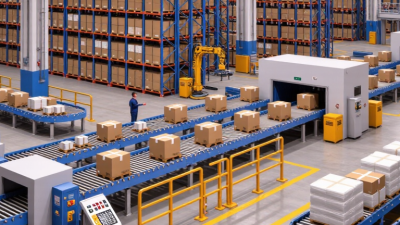
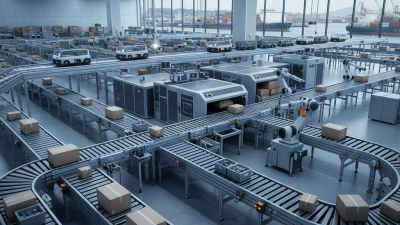
Conveyor systems move materials along a planned route, reducing the need to carry every item by hand. They are common in warehouses, factories, airports, and food-processing facilities. A conveyor may carry a cardboard box across a loading area or move small components between workstations. The task can look simple. The engineering is not always simple.
Most systems use a moving belt, rollers, chains, or suspended carriers. A motor supplies power, while pulleys, shafts, or gears help transfer that motion. As the conveyor moves, friction or supports keep products traveling along its path. Sensors and controls can start, stop, or redirect items when needed. Some lines run continuously; others operate only when a product reaches a specific point. The right setup depends on load weight, travel distance, speed, and working conditions.
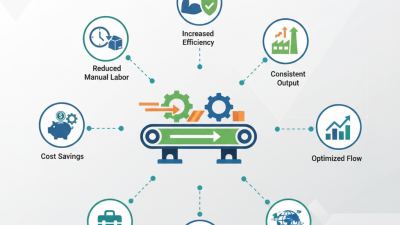
A well-designed conveyor system can improve workflow and reduce repetitive handling, but it does not remove every challenge. Poorly spaced products may jam. A belt that moves too quickly can disrupt packing or inspection. Maintenance also matters: worn rollers, loose belts, and misaligned parts can affect performance. Small details count. Understanding how conveyor systems work makes it easier to compare common types, recognize their main components, and consider where automation helps. It also encourages a practical question: does the chosen system fit the real task, or merely the drawing?
What Defines a Conveyor System?
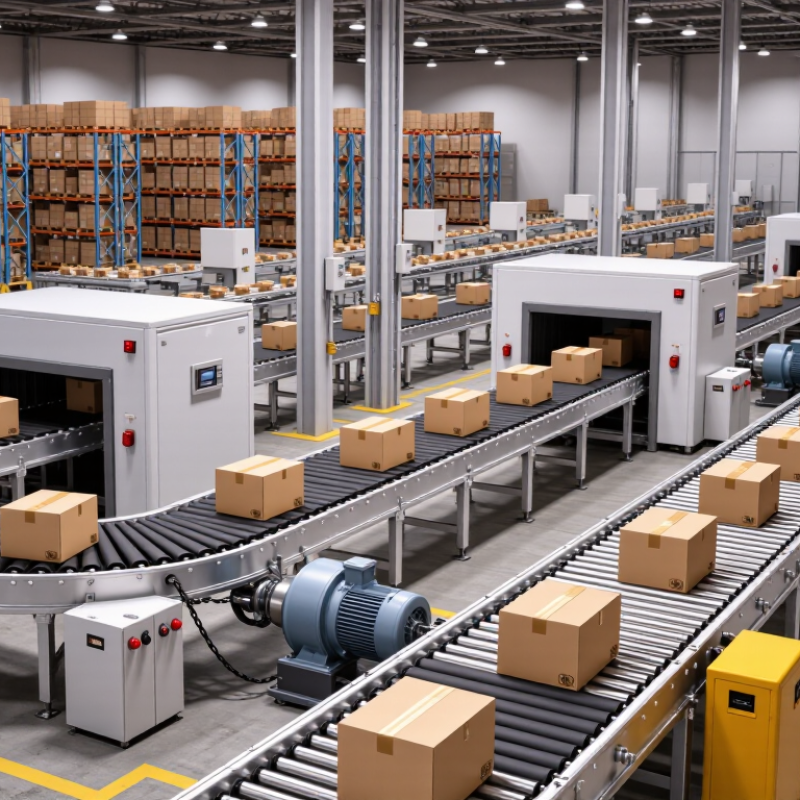
A conveyor system is an arrangement of equipment that moves materials along a planned route. It may include belts, rollers, chains, chutes, a drive, support frames, and controls. The exact parts depend on what is being moved. A belt can carry cartons across a packing area, while rollers may let flat-bottomed boxes move between workstations. Some systems run continuously; others start and stop as sensors detect incoming items. Simple in appearance. Carefully coordinated underneath.
What defines the system is not one conveyor, but how its parts work together to transfer material safely and reliably. Its layout must match the load’s size, weight, shape, and surface. A dusty workshop, for example, may need different components and cleaning access than a clean indoor packing line. Speed matters, too: a fast belt can create a bottleneck if workers cannot load or remove items at the same pace. In practice, the boundary can be blurry. A short powered roller section might be treated as a standalone conveyor or as part of a larger material-handling system. Controls, guards, transfer points, and the surrounding workflow help clarify its role. A small gap between sections can also cause cartons to catch, even when each conveyor works well on its own.
Key Components That Move and Guide Materials
A conveyor moves materials through a coordinated set of parts. Its frame supports the load, while a belt or rollers provide the moving surface. A motor and gearbox drive the system; pulleys redirect the belt, and idlers support it between pulleys. Side guides help keep cartons or parts aligned. At transfer points, even a small height mismatch can make packages shift or snag.
Sensors and controls add another layer. Photoelectric sensors can detect an approaching carton, while a controller adjusts speed or pauses the line. The 2024 MHI Annual Industry Report found that 55% of surveyed organizations planned to increase supply-chain technology investment. That figure describes broad industry plans, not conveyor purchases, but it reflects growing interest in connected material handling. Component selection still depends on load weight, dust, moisture, and the number of starts and stops. A design that works on paper may need adjustment after real products run across it.
Tips: Check belt tracking and guide clearance during operation, not only at installation. Listen for uneven roller noise. Small misalignments matter. Keep a record of stoppages and inspect transfer points; these checks can reveal recurring problems, though they will not prevent every jam.
How Conveyors Transport Items Step by Step
A conveyor moves an item through a sequence of controlled handoffs. The process begins when a worker or machine places it on a belt, roller bed, or other carrying surface. Position matters: a box set crooked may drift toward the edge. Then it moves.
A motor turns a drive pulley, which pulls the belt forward; rollers rotate beneath items on roller conveyors. Sensors may detect an approaching package and signal a controller to adjust speed, start a section, or open a diverter. The item travels toward its destination. Small details matter. Gaps between sections, uneven loads, and changing speeds can all affect how smoothly it moves.
At a transfer point, guides or powered rollers direct the item onto another conveyor, into a sorting lane, or toward a packing station. A worker may remove it by hand, or an automated system may release it at the correct location. Operators check belt tracking, listen for unusual rubbing, and clear buildup before it causes trouble. Not every package behaves predictably: soft bags can snag, while round objects may roll. Real systems need adjustment, and sometimes the first setting is not quite right.
Common Conveyor Types and Their Operating Methods
Conveyor systems move materials along a planned route, but each type handles loads differently. A belt conveyor carries items on a continuous moving surface, driven by pulleys and a motor. It works well for boxes, packages, and loose materials. Belt tension and tracking matter: a belt that drifts can rub against its frame and wear unevenly. Small details count.
Roller conveyors use a series of cylinders beneath the load. Gravity models rely on a slight slope, while powered rollers move items with motor-driven sections. They suit rigid packages with flat bottoms, but soft bags may snag or sit unevenly. The rollers need regular checks for debris and free rotation. Not glamorous work.
Screw conveyors turn a helical blade inside a trough or tube to move powders and granular materials. Chain conveyors pull loads along a track, making them useful for heavier products or fixed paths. Overhead conveyors suspend items from carriers, freeing floor space, though bends and loading points need careful planning. A layout can look efficient on paper and still create awkward handoffs. Match the conveyor to the material, distance, speed, and surrounding equipment, then test it under realistic loads.
What Are Conveyor Systems and How Do They Work?
Common conveyor types and their typical operating-speed ranges
A conveyor moves materials along a route using a powered or gravity-driven mechanism. Belts carry items on a continuous loop; powered rollers rotate to move packages; screws push bulk material through a trough; and chains pull attached carriers or move heavy loads. Speed ranges are approximate examples and vary with conveyor design, material, and operating conditions.
Where Conveyor Systems Are Used and Why
Conveyors are used wherever goods need to move along a repeatable route. In distribution centers, belts carry cartons between packing stations and shipping areas, while rollers help move heavier boxes with less lifting. At airports, baggage conveyors link check-in, screening, and sorting points. Food plants use cleanable belt systems to move ingredients through washing, cooling, and packaging.
The reason is often consistency, not just speed. A conveyor can feed parts steadily to an assembly bench or direct parcels toward loading bays. This reduces repeated carrying and makes movement easier to plan. A fixed path can also help workers coordinate with machines. But fit matters. Narrow aisles, fragile products, frequent layout changes, or uneven item sizes can make a conveyor awkward or costly. Small details count: a carton catching at a transfer point can stop a whole line. Not ideal. Operators need access for cleaning, inspection, and clearing jams, and the route should match real work patterns. In practice, teams may still use carts for exceptions. Conveyors solve a specific flow problem; they do not solve every workflow.