
OPEN FROM 9AM TO 5PM – CLOSED ON WEEKENDS

China Top Powder Coating Booth for Sale How Much?

The price of a powder coating booth for sale in China depends on more than the booth’s listed size. A compact manual unit may suit a small workshop, while a production line needs coordinated airflow, filtration, powder recovery, and curing capacity. The details matter. A bright control panel cannot compensate for weak extraction or a poorly matched oven.

For context, Bob Utech, author of Powder Coating: The Complete Finisher’s Handbook, is a technical voice in this field. A practical takeaway from his work can be paraphrased as: “Choose coating equipment around the process and finish you need, not the sales label alone.” This is a paraphrase, not a verbatim quotation. Buyers should compare usable booth dimensions, filter design, fan performance, recovery options, electrical requirements, and installation support. Ask for itemized pricing, too. Freight, commissioning, spare filters, and operator training can change the real budget. Ongoing filter replacement and energy use deserve attention as well. A low quote may simply leave out essential components.

This guide examines what “top” should mean when comparing Chinese suppliers and what affects the price of a powder coating booth for sale. It also considers how workload, part geometry, color changes, and available floor space shape the right configuration. Bring actual part measurements to supplier discussions. A 1.5-meter cabinet can feel roomy until a long frame must turn inside it. Specifications can still be confusing. Verify them in writing, then compare like-for-like offers before making a decision.
China Top Powder Coating Booth for Sale How Much?

What a Powder Coating Booth Includes: Manual, Automatic, and Conveyor Systems

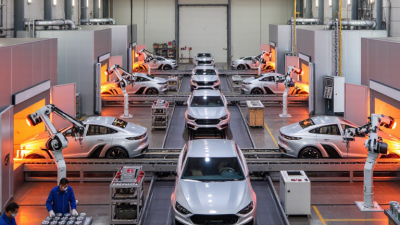
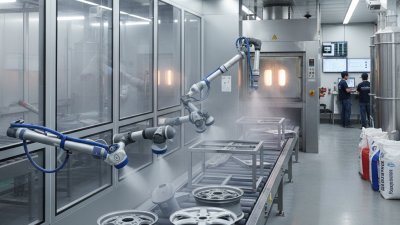
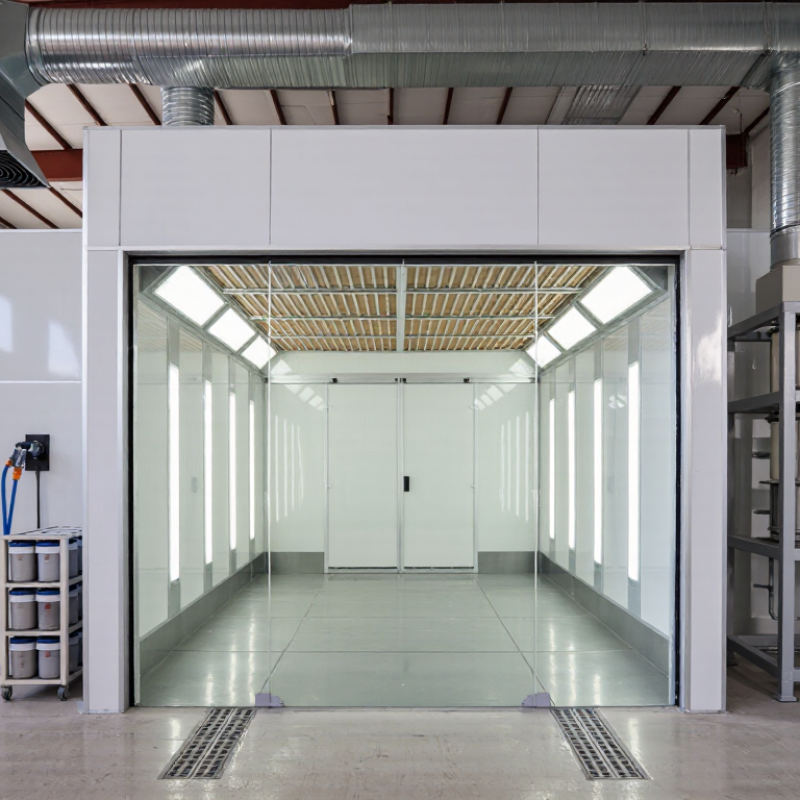
A powder coating booth is more than a painted enclosure. A typical system includes booth panels, extraction fans, filters, lighting, and electrical controls. Manual booths let operators move a spray gun by hand and adjust coverage around corners or recessed surfaces. They are often practical for varied part sizes and modest production volumes.

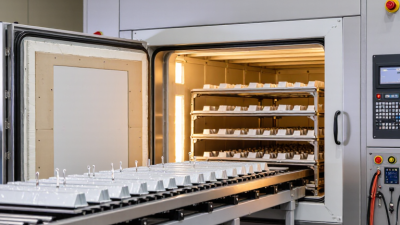
Clean filters matter. Curing ovens are usually separate, so confirm what the quoted package includes.

Automatic booths use programmed spray guns to apply powder consistently across repeat parts. Conveyor systems move components through defined stages, such as pretreatment, coating, and curing. They can improve throughput, but need suitable floor space, stable part spacing, and careful setup. Automation is not automatically the cheaper choice.

When comparing a booth for sale, check airflow specifications, filter access, conveyor capacity, installation needs, and included controls. Price depends on booth dimensions, automation level, filtration, and accessories. Even a detailed quote can leave gaps; ask whether commissioning, ductwork, and operator training are included. A simple floor-plan review can reveal problems before delivery.

Which Booth Design Fits Your Parts, Throughput, and Factory Layout?

Choosing a powder coating booth starts with the parts, not the price tag. Start with the parts. Measure their longest, widest, and tallest dimensions, then note how they hang or travel through the shop. Long frames need clearance at the entrance and inside the booth. Small brackets may suit a compact manual booth, while steady, high-volume work can justify an enclosed system with conveyor handling. Measure twice. A few awkward parts can change the whole design.

Airflow and powder recovery also affect cost. A basic filter arrangement may fit some workloads; a recovery system can reduce powder waste when color changes are limited. Frequent color changes may call for a different setup. That matters. Compare quotes only after confirming booth size, airflow, filters, recovery equipment, and installation scope. A low initial price can exclude important components.

Factory layout deserves equal attention. Check door widths, ceiling height, utility access, and space for operators to load parts safely. Leave room for maintenance, too. One detail is easy to miss: a layout that looks workable on paper may feel cramped once racks and carts are in place. Before choosing a booth for sale from China, share actual part dimensions and expected daily throughput with the supplier, and ask for a layout drawing. The estimate may change. Better to discover that early.

How NFPA 33 and NFPA 660 Guide Powder Booth Safety Requirements

The price of a powder coating booth depends on more than its dimensions and airflow. Safety features, dust collection, and installation conditions also affect the final cost. NFPA 33 guides spray application areas, including booth construction, ventilation, electrical equipment, and fire protection. Requirements depend on the booth’s design and the materials used.

Powder presents a distinct hazard: fine particles can ignite when dispersed in air and exposed to an ignition source. NFPA 660 addresses combustible dust hazards, including hazard analysis, dust control, and housekeeping. A buyer should check how the booth, recovery system, filters, and connected ductwork manage powder. Look closely at corners and ledges where deposits may collect. Small details matter.

Keep dust moving safely. But airflow figures alone are not enough. A qualified engineer should assess the actual powder, equipment layout, and operating process, then confirm applicable code editions with the local authority. Ask suppliers for ventilation data, electrical-area details, and cleaning instructions. A booth can appear spotless while dust remains inside a collector. That risk is easy to underestimate, and design assumptions deserve review before purchase.

China Top Powder Coating Booth for Sale: How Much? — How NFPA 33 and NFPA 660 Guide Powder Booth Safety Requirements

There is no standard purchase price for a powder coating booth, and NFPA standards do not set equipment prices. A reliable price requires a supplier quotation based on the booth design, project scope, and applicable site requirements. The table below summarizes key safety and quotation considerations.

Topic What to Confirm Price or Project Impact
Booth price Request a written quotation for the required booth dimensions, powder recovery arrangement, controls, and included accessories. No single reliable price applies to all booths. Compare itemized quotations with the same scope and specifications.
Booth size and workpiece Provide the largest workpiece dimensions, required openings, production rate, and whether the system is manual or automated. Larger or more customized systems can change the equipment, installation, and ventilation scope; obtain a project-specific quote.
NFPA 33: spray-application safety NFPA 33 addresses spray application using flammable or combustible materials. Confirm which provisions apply to the proposed process and equipment with the authority having jurisdiction (AHJ). Applicable ventilation, electrical, fire-protection, and equipment requirements may affect the design and project scope.
NFPA 660: combustible-dust safety NFPA 660 covers combustible dusts and particulate solids. Evaluate powder hazards, dust accumulation, collection equipment, and any required dust hazard analysis for the facility. Dust-hazard findings and site conditions can require additional safeguards or engineering beyond the basic booth package.
Airflow and exhaust Ask for the proposed airflow design, exhaust arrangement, filtration details, and the basis used to determine performance. Have the design reviewed for the actual process and applicable codes. Fan, duct, filter, and make-up-air requirements depend on the design and installation; confirm whether these items are included.
Powder recovery and color changes Specify the recovery method, expected color-change frequency, cleaning method, and whether recovered powder will be reused. Recovery and cleaning features affect the selected configuration and should be quoted as clearly identified options.
Electrical and control scope Confirm the site supply, control functions, required interlocks, electrical design documentation, and any hazardous-area classification determined for the installation. Controls, electrical components, and site-specific installation requirements can change the quoted scope.
Installation and delivery Request separate line items for packing, transport, duties, unloading, installation, commissioning, training, and local inspections, as applicable. A booth-only equipment price may exclude substantial delivery and site-work costs. Confirm inclusions and exclusions before comparing offers.
Standards and approval Identify the applicable NFPA editions, local building and fire codes, and AHJ requirements for the project. Request supporting design documents and equipment specifications. A supplier statement alone does not establish site compliance; final applicability and acceptance depend on the project and the AHJ.

Important: NFPA 33 and NFPA 660 address safety topics, not booth pricing. Confirm the applicable editions and requirements with the AHJ and qualified fire-protection or process-safety professionals before purchase or installation.

How 95%+ Powder Recovery Can Reduce Material Waste and Operating Costs

A powder coating booth’s price is only part of its operating cost. Powder that misses the part can become a recurring expense. A well-designed recovery system may reclaim 95% or more of overspray under suitable conditions. Actual results depend on booth design, powder type, airflow, and maintenance. The percentage is not a promise for every production line.

Consider a shop coating steel brackets during a steady shift. Operators can weigh fresh powder used and reclaimed powder collected, then compare the figures over several production runs. Keep recovered powder clean and separate from dust or other colors. Small changes matter. A clogged filter or poor airflow can reduce recovery and create extra cleaning work. Not every line does. Color changes and low-volume batches may also make reclaim less practical.

When comparing booths for sale in China, ask how the recovery rate was measured and what operating conditions were used. Check filter access, reclaim handling, and routine replacement costs, not just the quoted equipment price. A simple cost estimate can compare powder purchases, waste disposal, energy, and labor before and after installation. The numbers may look less impressive than a sales estimate, but they are more useful. Track actual powder use after startup; real shop data often reveals a few surprises.

China Booth Pricing: Compare Airflow, Filter System, Automation, and Installation Quotes

A China-made powder coating booth can vary widely in price because “booth” may mean the enclosure alone or a complete, installed line. Grand View Research valued the global powder coatings market at USD 15.8 billion in 2023. It projected 5.3% annual growth from 2024 to 2030. That market outlook is useful context, but it cannot predict your equipment cost. Ask suppliers to quote the same workpiece dimensions, production rate, and recovery requirements.

Compare airflow by requesting the design airflow and a layout showing where air enters and exits. For filtration, check filter stages, replacement costs, and whether recovered powder suits your process. Automation changes more than the purchase price: confirm what the controls cover, such as gun movement or conveyor operation. Installation quotes should list packing, shipping, electrical work, commissioning, and operator training separately. Small omissions add up.

Tips: Send every supplier one specification sheet. Request itemized quotes and a written installation scope. Ask for a test-run plan using a representative part. A polished quotation can still leave gaps; check the details before comparing totals.

Amet mattis vulputate enim nulla aliquet. Id porta nibh venenatis cras sed felis dictumst vestibulum rhoncus est.
This error message is only visible to WordPress admins

Error: No feed found.

Please go to the Instagram Feed settings page to create a feed.

Quick links