
OPEN FROM 9AM TO 5PM – CLOSED ON WEEKENDS

China Best Powder Coating Equipment for Sale?

Choosing the best powder coating equipment for sale in China starts with the parts you actually make. A small workshop coating brackets has different needs from a factory processing long steel frames. Consider part dimensions, daily output, coating changes, and available floor space. These details shape the right booth, spray guns, recovery system, and curing oven. A low quoted price may look attractive. But missing accessories or limited technical support can raise the real cost later.

Ask suppliers for clear specifications, not broad promises. Check oven temperature uniformity, conveyor speed, booth airflow, and powder recovery performance. Request layout drawings and confirm that the equipment suits your production workflow. Safety features, installation guidance, spare-parts access, and operator training also deserve attention. If possible, review a working system or speak with a customer using similar parts. Small details matter. For example, an oven that cannot fit your longest component may disrupt the whole line.

There is no single best setup for every buyer. That is easy to say, but harder to judge from a catalog. Compare suppliers using the same production requirements and ask how their recommendations were calculated. Reliable manufacturers should explain limitations as well as advantages. Their answers should be specific and consistent. Before ordering, confirm what the quotation includes, from controls and commissioning to warranty terms. The right powder coating equipment for sale is not simply the cheapest package; it is a system that matches your workload and can be maintained over time. Some uncertainty will remain. Careful checks reduce it.
China Best Powder Coating Equipment for Sale?

What Powder Coating Equipment Includes

China Best Powder Coating Equipment for Sale?

What Powder Coating Equipment Includes

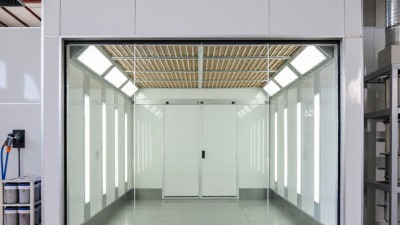
A powder coating setup is more than a spray gun. It usually includes a powder booth, application gun, powder hopper or feeder, air supply, filtration system, curing oven, and part-handling equipment. Each component has a clear job. The gun applies charged powder, while the booth contains overspray and directs it toward filters or a recovery unit. Clean, dry compressed air helps powder flow evenly. Moisture can cause clumps and uneven coverage.

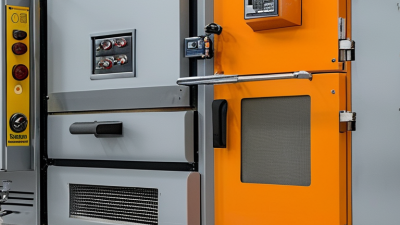
The oven heats coated parts to the specified curing temperature, helping the powder form a durable finish. A conveyor may move parts through the booth and oven at a steady pace. Smaller operations might use carts and batch ovens instead. Surface preparation equipment, such as wash stations or drying areas, also matters because oil, dust, and moisture can affect adhesion. A common planning mistake is choosing an oven before measuring the largest parts. Check part dimensions, production volume, available floor space, and power requirements first.

Tips: Match the booth opening and oven capacity to your actual parts, not just average-sized work. Keep filters accessible for inspection and replacement. Test airflow and grounding during setup. Small details matter. Equipment lists vary by coating needs, and the right configuration may take adjustment after real production begins.

How Powder Coating Systems Work

China Best Powder Coating Equipment for Sale?

How Powder Coating Systems Work

A powder coating line moves parts through pretreatment, drying, spraying, curing, and cooling. Clean, dry metal matters: oil or moisture can cause pinholes and uneven coverage. In the spray booth, a charged gun helps powder cling to grounded parts. The coated parts then enter a curing oven, where heat melts and bonds the powder into a continuous film. Exact time and temperature depend on the powder and the part’s metal thickness. Small details count.

The Powder Coating Institute describes material utilization of up to 95% when overspray is collected and reused. Treat that as a potential, not a guarantee: part shape, airflow, color changes, and operator settings all affect recovery. A deep corner may receive less powder, while a sharp edge can build up too much. Check film thickness and cure conditions on real parts; oven settings alone do not prove a complete cure. One weak spot is relying on appearance. A glossy finish can still hide poor adhesion.

Tips: Keep hooks clean and verify electrical grounding; dirty contacts can reduce attraction. Record booth settings and oven conditions for each run. Changeovers take time. Don’t rush them. If defects keep appearing, inspect pretreatment and airflow before simply increasing powder output.

Which Equipment Types Are Available in China

China offers powder coating equipment for small workshops and continuous production lines. A basic setup may include a spray booth, electrostatic spray gun, powder recovery unit, and curing oven. Booths are available in manual and automatic designs. Manual booths suit short runs and frequent color changes. Automatic systems use reciprocating guns to coat parts more consistently.

For surface preparation, buyers can source spray washers, drying chambers, and pretreatment lines. These clean metal parts before powder is applied. Conveyor systems move components between preparation, spraying, and curing stages. The oven should match the part size and required production rate; a rack of small brackets needs different airflow than long steel profiles. Temperature checks matter. A controller reading alone does not confirm that the part itself has reached the curing temperature.

Some suppliers also offer inspection tools, test equipment, and custom line layouts. Request cycle-time data, oven temperature-uniformity results, and spare-parts details before comparing quotations. I have seen equipment lists look complete while leaving out extraction ducting or installation needs. That gap is easy to miss. Check your available floor space, power supply, and expected daily output before choosing a configuration.

How to Compare Chinese Powder Coating Equipment

China Best Powder Coating Equipment for Sale?
How to Compare Chinese Powder Coating Equipment

Compare equipment against your production needs, not just the lowest quote. List part dimensions, daily output, coating types, color-change frequency, and available floor space. Check that the booth, recovery unit, conveyor, and curing oven are designed to work together. A mismatched line may cause uneven coverage or slow production. Small details matter.

Ask for airflow ratings, oven temperature-uniformity data, conveyor speed ranges, and electrical requirements. Request layout drawings and a written scope covering controls, installation, training, and spare parts. If possible, review a test run using parts similar to yours. Check the finish, film thickness, and changeover time. Ask references what equipment they received and how it performs. Documentation varies. Put warranty terms, service response times, and replacement-part availability in writing.

Tips: Inspect welds, panel fit, and control labels during a factory visit or live video call. Ask for a sample test and confirm exactly what the quotation includes. Compare total setup and operating needs, not only the machine price.

How to Compare Chinese Powder Coating Equipment

Oven temperature control and uniformity matter because powder must reach its specified cure schedule. The ranges below are indicative industry ranges, not equipment ratings; actual requirements vary by powder formulation. Compare ovens using the powder supplier’s technical data sheet and verify temperatures at the part surface.

What to Check Before Purchasing Powder Coating Equipment in China

China Best Powder Coating Equipment for Sale?
What to Check Before Purchasing Powder Coating Equipment in China

Before comparing prices, define your parts, target output, and available floor space. A line for small brackets may not suit long panels or frequent color changes. MarketsandMarkets’ Powder Coatings Market report estimated a global market value of USD 15.8 billion in 2023 and forecast USD 20.6 billion by 2028. That growth signals demand, not equipment quality. Check the seller’s proposed capacity against your actual parts and production schedule.

Inspect the full line: spray booth, guns, powder recovery, curing oven, and conveyor. Ask for usable booth dimensions, recovery details, oven temperature uniformity, and measured conveyor speed. Request a trial using representative parts; a glossy sample alone proves little. Confirm voltage, frequency, phase, control-language options, installation scope, spare-part availability, and written operating instructions. Small details matter. It is easy to overvalue a low quote; that assumption can age badly.

Tip: Ask for temperature records from a calibrated data logger and a written list of included components. Clarify who handles commissioning and operator training, and how faults are diagnosed after shipment. If answers stay vague, pause. A modestly priced system may still require costly changes to fit your parts or factory.

China Best Powder Coating Equipment for Sale? - What to Check Before Purchasing Powder Coating Equipment in China

Equipment or Checkpoint What to Confirm Practical Specification or Benchmark How to Verify Before Purchase
Workpiece and production requirements Maximum part dimensions and weight, material, target finish, daily output, and product mix. Equipment dimensions and conveyor capacity should be based on the largest and heaviest parts, with allowance for hanging and spacing. Send representative part drawings, photos, weights, and required output. Ask for a written line layout and capacity calculation.
Pre-treatment system Cleaning and surface preparation stages suitable for the substrate and coating requirements. Stage count, chemistry, rinse-water quality, tank dimensions, and spray coverage depend on the parts and applicable process specification. Request a process flow, chemical and water requirements, tank material details, and a description of how parts are drained and dried.
Dry-off and curing ovens Usable chamber dimensions, heating method, insulation, airflow, temperature control, and exhaust arrangement. Powder cure conditions vary by powder formulation. Many products specify a part-metal temperature around 160–200°C for a defined time; follow the powder supplier’s technical data sheet. Request an oven temperature profile using loaded parts. Confirm whether the quoted cure time refers to oven air temperature or part-metal temperature.
Temperature uniformity Temperature differences across the working zone and between locations on the workpiece. Agree on a measurable uniformity requirement for the actual oven size and load; do not rely on the controller setpoint alone. Ask for a multi-point temperature test report and, where appropriate, a temperature-profile test with thermocouples attached to representative parts.
Spray booth and powder recovery Booth dimensions, airflow, filter arrangement, cleaning access, and powder-recovery method. Booth design should match the part size, spray method, powder type, color-change frequency, and local ventilation requirements. Inspect the airflow and filter specifications, request a cleaning and color-change procedure, and confirm how collected powder is handled.
Powder application equipment Gun configuration, control functions, hose arrangement, and availability of compatible wear parts. Electrostatic powder guns commonly use high-voltage outputs in the tens of kilovolts; the operating range and settings should suit the gun design and coating process. Request the gun’s technical manual, operating limits, recommended grounding method, spare-parts list, and a demonstration on sample parts.
Compressed-air supply Required pressure, flow, air cleanliness, moisture removal, and oil control. Confirm the equipment’s specified inlet pressure and consumption. Clean, dry compressed air is important for consistent powder application. Compare the supplier’s air-consumption figures with the site compressor. Ask which filters, dryers, and regulators are included.
Conveyor and part handling Load capacity, speed control, hanger spacing, layout, and access for loading and unloading. Conveyor speed must provide the required process time in each treatment and oven zone; capacity must account for the total load on the line. Request a conveyor calculation showing speed, zone lengths, part spacing, maximum load, and the resulting process time.
Electrical supply and controls Rated voltage, frequency, phase, connected load, control-panel design, and compatibility with the destination site. Chinese industrial equipment may be configured for 380 V, 50 Hz three-phase supply, but the actual supply and motor requirements must be specified for the installation location. Obtain electrical drawings and a complete load list. Confirm cable, breaker, grounding, control voltage, and any required voltage or frequency changes.
Safety and environmental provisions Machine guarding, emergency stops, ventilation, dust control, burner safeguards, and electrical protection. Requirements depend on the equipment, process, installation site, and applicable local codes. Powder dust and heated equipment require appropriate risk controls. Request a risk assessment, safety-device list, ventilation details, and documents needed to demonstrate compliance with destination-market requirements.
Materials and fabrication quality Construction materials, weld quality, panel thickness, insulation, finish, and corrosion protection. Specifications should identify materials and thicknesses for major components rather than using general descriptions such as “heavy duty.” Ask for component drawings and a bill of materials. Inspect a completed unit or request dated production photos and inspection records.
Factory acceptance test Whether the supplier will test functions and performance before packing and shipment. Define pass/fail criteria for operation, temperature control, conveyor movement, spray functions, alarms, and included accessories. Agree on a written factory acceptance test plan. Request test records, photos or video, and a signed punch list before final payment.
Installation and commissioning Site preparation, foundation or floor requirements, utilities, installation labor, training, and commissioning scope. Responsibility for freight, unloading, rigging, wiring, ducting, utilities, and on-site support should be stated clearly in the quotation. Request a site-readiness checklist, installation schedule, utility plan, and written list of included and excluded services.
Documentation and spare parts Operating and maintenance manuals, electrical diagrams, parts lists, recommended spares, and language availability. Documentation should identify model numbers, maintenance intervals, consumables, and replacement-part specifications. Ask for sample manuals and a recommended two-year spare-parts list, including lead times and shipping options.
Commercial terms and delivery Equipment scope, packaging, delivery terms, lead time, payment milestones, warranty, and exclusions. Compare quotations on the same line scope and delivery basis. Clarify what is included in the stated price and warranty. Use a detailed contract and pro forma invoice. Specify acceptance criteria, packing method, shipment documents, and the process for handling defects.

Note: Specifications are purchase-planning checks, not universal design standards. Final equipment settings and compliance requirements should be confirmed against the coating powder data sheet, workpiece requirements, site utilities, and regulations at the installation location.

Amet mattis vulputate enim nulla aliquet. Id porta nibh venenatis cras sed felis dictumst vestibulum rhoncus est.
This error message is only visible to WordPress admins

Error: No feed found.

Please go to the Instagram Feed settings page to create a feed.

Quick links