Top Types of Powder Coating Ovens for Sale?
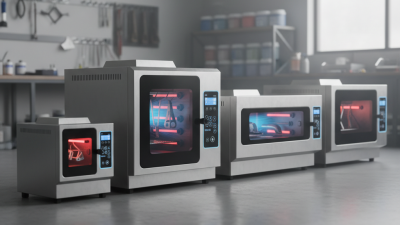
Choosing a powder coating oven for sale is not simply a matter of comparing prices. The oven must match your parts, coating volume, workspace, and curing schedule. A small batch oven may suit custom fabricators. A conveyor oven may serve continuous production more efficiently. Infrared systems can provide rapid heating, while gas-fired and electric models offer different installation and operating considerations.
Gregg Boyle, an industry specialist at Reliant Finishing Systems, has emphasized, “The right oven is the heart of a dependable powder coating line.” That view reflects practical experience. Uneven airflow, weak insulation, or poor temperature control can create visible defects. Orange peel, under-cured film, and wasted powder may follow. Not ideal.
A careful buyer should inspect oven dimensions, maximum working temperature, heat-up speed, airflow design, insulation quality, and temperature uniformity. Ask how the manufacturer tests performance. Request service details, spare-parts availability, and realistic energy estimates. These questions often reveal more than a polished product photograph.
Batch ovens remain flexible for varied part sizes and lower production volumes. Conveyor ovens can support repeatable throughput. Infrared ovens may reduce heating time, but they require thoughtful part positioning. Hybrid designs can balance speed and flexibility, although their controls may be more complex.
The cheapest powder coating oven for sale may not be the lowest-cost choice over five years. That assumption deserves testing. A reliable decision considers maintenance, labor, energy use, product quality, and future capacity. This guide compares the leading oven types and explains where each design performs well, where it struggles, and which details buyers sometimes overlook.
Powder Coating Ovens: Purpose, Process, and Basic Structure
Top Types of Powder Coating Ovens for Sale?
Powder coating ovens cure electrostatically applied powder into a durable, continuous finish. After cleaning and drying, operators spray charged powder onto grounded metal parts. Heat activates the resin and bonds it to the surface. Curing temperatures commonly range from 160°C to 200°C, depending on the powder specification. Accurate temperature control matters.
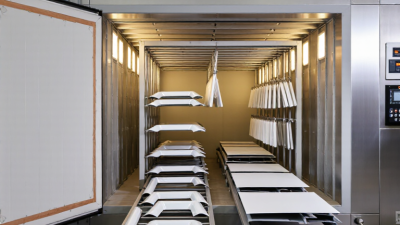
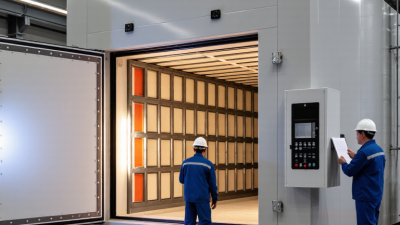
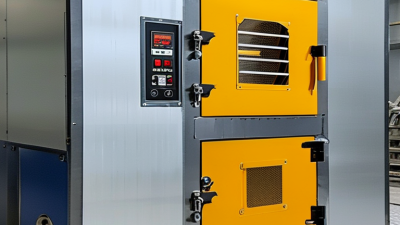
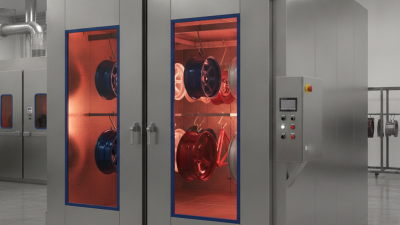
A batch oven suits small production runs, custom parts, and mixed-size components. It usually has insulated wall panels, a heated chamber, circulation fans, exhaust openings, and a digital control system. Walk-in models handle larger frames, racks, and fabricated structures. Conveyor ovens support steady production by moving parts through preheating, curing, and cooling zones. Electric heating offers clean, precise control, while gas systems can provide strong heat output for larger chambers.
The oven should maintain even airflow across every loaded surface, not just near the heat source. A temperature mapping test can reveal cold corners or overloaded racks. Poor spacing may create glossy patches, weak adhesion, or incomplete curing. A larger oven is not automatically better. It may waste energy when only a few parts require treatment. Practical selection depends on part dimensions, hourly volume, powder chemistry, available power, ventilation, and local safety requirements. Operators should verify cure schedules with technical data sheets and inspect controls regularly. Mistakes happen when planning focuses on chamber size alone.
Top Types of Powder Coating Ovens for Sale — Purpose, Process, and Basic Structure
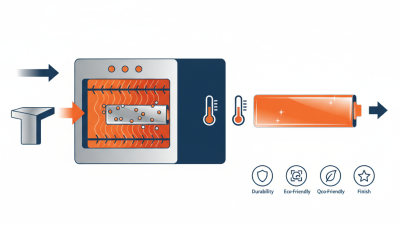
Powder coating ovens heat coated parts until the powder melts, flows, and cures into a continuous finish. The temperature ranges below are typical operating setpoints for common industrial oven formats; the actual cure schedule must follow the powder manufacturer's time-and-temperature requirements measured at the part.
Batch Ovens
Best suited to low-to-medium production volumes, large parts, and frequently changing product sizes. Parts are loaded and unloaded manually or with carts.
Conveyor Ovens
Designed for continuous production. A conveyor moves parts through heated zones, supporting consistent dwell time and higher throughput.
Infrared Ovens
Infrared energy heats the coated surface directly and can provide rapid response. Part geometry, color, mass, and shadowing strongly affect results.
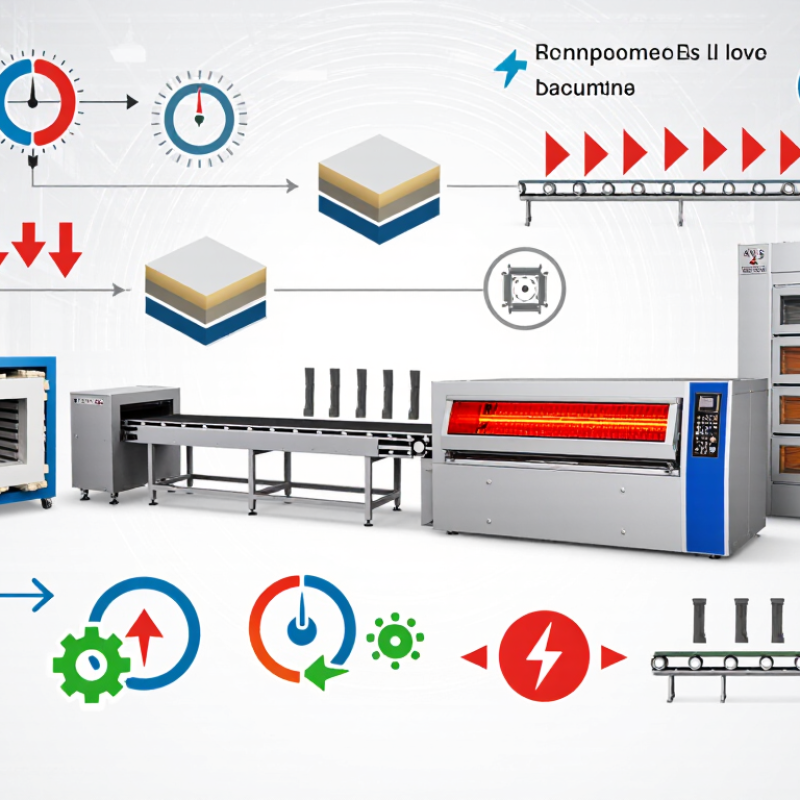
A typical powder coating system includes a preparation area, spray booth, powder application equipment, curing oven, cooling section, and conveyor or handling equipment. Convection ovens use heated air, while infrared systems transfer radiant energy; both must deliver sufficient heat to the part for complete curing.
Conveyor Powder Coating Ovens for Continuous Manufacturing
Top Types of Powder Coating Ovens for Sale?
Conveyor powder coating ovens support continuous manufacturing by moving parts through controlled heating zones. They suit factories producing frames, panels, brackets, and other repeatable components. A typical system includes loading, preheating, curing, cooling, and unloading areas. The conveyor speed must match the powder manufacturer’s curing schedule. Temperature alone is not enough. Metal thickness, part shape, and oven airflow also affect final performance. Uneven airflow can leave corners under-cured, even when the display shows the correct temperature.
Experienced production teams usually examine oven length, usable height, conveyor load, and heating method before purchasing. Gas, electric, and hybrid systems each have practical benefits. Electric heating may offer precise control, while gas systems can support demanding production volumes. However, energy costs and local installation conditions deserve careful review. I would not choose an oven from capacity figures alone. A compact oven with poor loading access can create daily delays. That mistake is easy to underestimate.
Tips: Test actual parts whenever possible. Hang them as they will run in production. Measure metal temperature with approved recording equipment, not only the chamber gauge. Leave space around large parts for steady airflow. Also inspect the conveyor path, exhaust design, insulation, and maintenance access. Small access panels can become frustrating during cleaning. Recheck your assumptions before signing the purchase order.
Infrared and Gas-Fired Powder Coating Oven Options
Top Types of Powder Coating Ovens for Sale?
Infrared and gas-fired ovens serve different production needs. Infrared ovens use radiant energy to heat the coating quickly. They work well with thin metal parts and short production cycles. Heat reaches exposed surfaces first. Complex shapes may cure unevenly. Deep corners and shaded areas need careful testing.
Gas-fired ovens use heated air and controlled circulation. They suit larger parts, batch systems, and continuous conveyor lines. A well-designed chamber can maintain stable temperatures around multiple surfaces. Check the burner controls, airflow pattern, insulation, and exhaust system before purchasing. Temperature recovery matters when cold parts enter the oven. It affects both output and coating consistency.
I have found that cure testing reveals problems early. Place temperature probes on thick and thin sections. Record the metal temperature, not only the oven display. A fast oven is not automatically better. Hybrid systems can combine infrared preheating with gas-fired convection, but they cost more and require precise setup. Before choosing, compare chamber dimensions, heating capacity, control accuracy, and service access. Ask for documented test results. Do not rely only on sales estimates. Allow space around the equipment. That detail is easy to miss. A practical evaluation should also consider powder cure schedules, part geometry, daily volume, and local fuel availability.
How to Choose the Right Powder Coating Oven for Sale
Top Types of Powder Coating Ovens for Sale?
Choosing the right powder coating oven for sale starts with your parts, not the advertised price. Batch ovens suit varied products and smaller production runs. Conveyor ovens support steady, higher-volume work. Infrared systems heat surfaces quickly, but complex shapes may develop uneven temperatures. Hybrid ovens can balance speed and flexibility, although their controls require careful validation.
Measure your largest parts, coating chemistry, loading method, and required curing temperature. Powder coating commonly cures near 180–200°C, but the technical data sheet must control the final setting. The U.S. Department of Energy reports that process heating uses about 51% of manufacturing energy. Therefore, insulation, airflow, burner efficiency, and door sealing deserve close attention. Grand View Research valued the global powder coatings market at approximately USD 15.5 billion in 2023, with continued growth expected. That growth does not make every oven suitable. My first capacity estimate is often too optimistic when racks, spacing, and heat-up time are ignored.
Tips: Request a temperature uniformity survey using loaded parts. Ask for energy consumption at real operating conditions. Check spare-part availability and service response times. A supplier should explain airflow patterns, control accuracy, exhaust design, and safety interlocks clearly. Review reports against your own production records. Published market data describes demand, not your factory. A cheaper oven can become expensive through slow curing, rework, or excessive heat loss. Test before committing.