
OPEN FROM 9AM TO 5PM – CLOSED ON WEEKENDS

How to Choose the Best Powder Coating Booth for Sale?

Choosing a powder coating booth for sale is not just a matter of comparing prices. The booth must fit your parts, production rate, available floor space, and finishing process. A 1.2-meter cabinet for small brackets has different airflow and loading needs from a walk-in booth handling long frames. Small mismatches can create daily delays.

The market is growing, but growth alone does not identify the right equipment. Grand View Research estimated the global powder coatings market at USD 14.2 billion in 2023 and projected continued growth through 2030. That figure describes market demand, not booth performance. Buyers still need to check usable dimensions, airflow design, filtration, reclaim options, and compatibility with their curing oven. The Powder Coating Institute also provides technical guidance on process basics, which can help teams assess how booth design affects application and powder recovery. Verify specifications with the manufacturer.

Details matter. Ask how filters are accessed, how quickly color changes can be completed, and whether the booth can handle your largest real-world part—not just its nominal dimensions. Request airflow data and a written description of the filtration system. If possible, inspect a running unit or speak with an existing operator. A low purchase price may hide higher cleaning time or powder waste. Conversely, premium features may not pay off in a low-volume shop. There is no perfect booth for every operation. The careful choice is the one supported by measurable requirements, clear documentation, and a little honest doubt before signing.
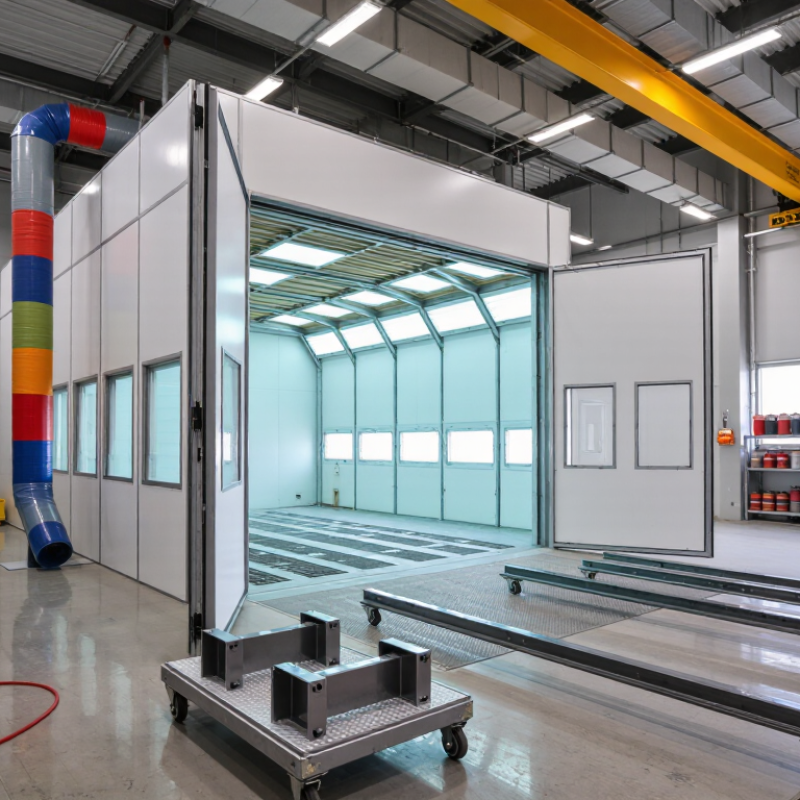
How to Choose the Best Powder Coating Booth for Sale?

Define Your Coating Volume, Part Sizes, and Production Goals

Before comparing powder coating booths for sale, define the parts and workload the booth must handle. Record the largest part’s length, width, and height, then include hanging hooks, racks, and space for safe operator movement. Measure the usual parts, too. A booth built only around one unusually large item may waste valuable floor space.

Estimate how many parts you coat per shift, how many shifts you run, and how often colors change. Note whether parts arrive in steady batches or uneven rushes. A few small brackets need different loading and recovery arrangements than a row of long steel frames. Be specific. Include setup and cleaning time, not just spraying time. Early estimates are often rough, and that is worth admitting; actual production records can reveal a very different pattern.

Set goals for future capacity as well as today’s output. If faster changeovers matter, compare booth layouts and cleaning access. If powder recovery is important, ask how the system handles your expected colors and coating volume. Check that booth openings and internal dimensions suit your parts without restricting airflow. Plans change. Bring a sample part, a simple floor plan, and a typical shift schedule when discussing options. Those details make it easier to judge whether a booth fits your real production goals.
Compare Powder Coating Booth Types and Configurations

How to Choose the Best Powder Coating Booth for Sale?

Compare Powder Coating Booth Types and Configurations

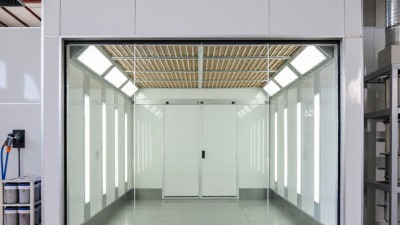
Batch booths suit varied parts and changing workloads. An operator can coat a large panel, then switch to smaller components without adjusting a conveyor line. Open-face designs offer easy access and a smaller footprint, but require careful attention to airflow and overspray control. Enclosed booths provide a more contained workspace, which can help manage powder and keep nearby work areas cleaner. Space matters. Measure the largest part, including its hooks and turning clearance, before comparing booth dimensions.

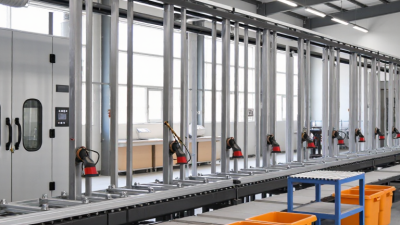
For steady, high-volume production, a conveyorized booth can keep parts moving through a repeatable process. It needs room for the conveyor, loading area, and unloading area, so a compact shop may find the layout impractical. Recovery systems also differ: cartridge filters are common for many applications, while cyclone systems can support faster color changes in suitable setups. Ask how the system handles your expected powder volume and color-change routine. A specification sheet may not show how awkward a real changeover feels.

Compare booth airflow, filter access, lighting, and cleaning procedures alongside purchase price. These details affect daily use. A poorly matched booth can create bottlenecks, even when its stated capacity looks generous. I would also verify that the booth fits the actual parts and production rhythm, not just an idealized plan. That judgment can change after a few weeks of use.

Evaluate Airflow, Filtration, Safety, and Compliance Features

A powder coating booth should move air steadily toward its extraction points, without dead zones that let powder settle on parts or floors. Air matters. Ask for the specified airflow rate and the method used to verify it under normal operating conditions. If possible, inspect the booth while its fans run; a light strip or safe airflow indicator can reveal uneven movement. Numbers alone do not tell the whole story.

Tips: Check filter access, replacement intervals, and pressure-gauge visibility. Ask how the system handles collected powder and how often filters need attention.

Filtration affects both finish quality and the work area. Look for suitable stages that capture overspray while maintaining consistent airflow, and ask how filter changes are performed safely. Confirm that doors, grounding provisions, lighting, and emergency stops are appropriate for the booth’s design and intended use. Safety details are easy to overlook when a booth looks clean and spacious. They matter during daily operation.

Request equipment documentation, inspection records, and clear guidance on maintenance. Verify that electrical and fire-safety features meet the requirements that apply at your site; requirements vary by location and process. A supplier’s broad assurance is not a substitute for written specifications. One detail may still be unclear. Have a qualified professional review the installation plan before purchase, especially if the booth will connect to existing ventilation or power systems.

Check Booth Dimensions, Equipment Compatibility, and Utility Needs

Start with the largest part you expect to coat, not the average one. Measure its height, width, and length, then allow room for hanging hardware and safe movement. Measure twice. A booth that fits the workpiece on paper may feel cramped once a cart or operator is inside. Check door openings, loading paths, and available floor space before comparing models.

Next, confirm that the booth works with your existing equipment. Compare its airflow requirements with the spray system, filters, and exhaust setup. Check the opening size and conveyor arrangement, if used. Small details matter. A mismatch can mean uneven airflow, awkward loading, or costly changes after delivery. Ask the seller for technical drawings and rated operating specifications, rather than relying on a broad product description.

Utilities can change the real cost of installation. Verify the required electrical supply, compressed-air capacity, exhaust duct size, and any heating needs against your site’s available services. Have a qualified technician assess connections and ventilation before purchase. Not just the booth. Include space for filter access and routine cleaning, too. It is easy to overlook maintenance clearance when planning around a tight shop. I would recheck these measurements on site; a small assumption can become an expensive delay.

How to Choose the Best Powder Coating Booth for Sale? - Check Booth Dimensions, Equipment Compatibility, and Utility Needs

Evaluation area What to check Practical planning guidance Questions to confirm before purchase
Part and booth dimensions Measure the largest workpiece, including its hangers, hooks, and any protruding features. Allow room for the part to enter, turn if required, and pass through the booth without contacting walls or recovery equipment. Add clearance for operators and maintenance access. Are the quoted dimensions internal or external? What is the maximum part envelope, opening size, and usable working area?
Production layout Identify whether parts will be loaded manually, placed on carts, or moved on an overhead or floor conveyor. Check door and aisle access, loading space, conveyor openings, and the route to curing and cooling areas. A booth that fits the part may still not fit the production line. Can the booth be integrated with the existing line, part spacing, conveyor speed, and plant layout?
Booth configuration Choose a configuration suited to batch work, frequent color changes, or continuous production. Manual batch booths can suit varied, lower-volume work. Conveyorized booths are generally designed around repeatable production flow. Color-change and powder-recovery needs affect the configuration. How often will colors change, and is the proposed booth designed for the expected production volume and cleaning routine?
Powder application equipment Check compatibility with the planned spray guns, powder feed system, and operator access. Confirm gun positioning, hose routing, grounding provisions, and access to all surfaces. Equipment interfaces and electrical requirements vary by system. Are the booth openings, controls, grounding points, and powder-feed connections compatible with the application equipment?
Powder recovery and filtration Review the collector type, filter arrangement, reclaim method, and provisions for cleaning. A reclaim system can reduce overspray waste when powder and process conditions allow. Color-change frequency, powder contamination control, and maintenance access influence the choice. Is powder reclaimed or discarded? What cleaning steps, filter changes, and waste-handling arrangements are required?
Exhaust and airflow Request the design airflow, exhaust connection details, and information about how booth openings are controlled. Required airflow depends on booth geometry, openings, application method, and applicable safety requirements; there is no single airflow figure that fits every booth. Has the airflow been designed for the proposed layout and local regulations? Are exhaust ductwork and discharge arrangements included?
Electrical supply and controls Compare the booth and accessory electrical specifications with the facility supply. Voltage, phase, frequency, current, and control requirements vary by equipment and location. Include fans, collectors, lighting, controls, and any conveyor equipment in the load review. What are the full electrical load and connection requirements, and who is responsible for installation and commissioning?
Compressed air Check the required pressure, flow, air quality, and connection size for the selected application and cleaning equipment. Industrial powder-coating equipment commonly uses compressed air, but the required pressure and consumption are equipment-specific. Air may need suitable filtration and moisture control. What are the minimum operating pressure and peak air demand? Does the facility compressor have adequate capacity?
Building and installation constraints Verify ceiling height, floor space, access routes, floor capacity, and exhaust routing. Include space for collector access, filter replacement, ductwork, electrical panels, and routine cleaning. Check site requirements before equipment delivery. Will the booth fit through the facility access route and leave sufficient room for installation, operation, and service?
Safety and compliance Confirm that the design addresses combustible powder hazards, grounding, ventilation, and applicable local requirements. Powder-coating systems require a site-specific safety review. Applicable codes and inspection requirements depend on the facility location and process. What documentation, safety features, and approvals are provided, and which requirements must be reviewed by the facility or local authority?
Service and operating costs Compare maintenance access, filter availability, cleaning time, energy use, and support arrangements. A purchase price alone does not show total operating cost. Consider installation, utilities, consumables, downtime, training, and expected maintenance. What routine maintenance is required, which consumables are needed, and what warranty and technical support are included?

Planning note: Dimensions, airflow, electrical loads, and utility requirements are equipment- and site-specific. Confirm final specifications with the supplier and qualified facility or safety professionals before purchase.

Compare Total Costs, Supplier Support, and Maintenance Requirements

When comparing a powder coating booth for sale, look beyond the purchase price. Add installation, ductwork, electrical work, filters, and expected energy use. The U.S. Department of Energy’s Improving Fan System Performance sourcebook notes that fan efficiency depends on the whole system, not just the motor. That matters: an undersized exhaust fan may struggle to maintain airflow, while an oversized one can waste power. Ask suppliers for airflow figures, filter-change estimates, and energy requirements under your actual operating conditions. Get those assumptions in writing.

Support matters after delivery. Check whether the supplier provides commissioning, operator training, spare-filter availability, and a clear response time for service requests. The Powder Coating Institute’s industry market survey work tracks adoption and application trends, but booth economics still depend on each shop’s workload and coating mix. Compare the cost per operating year, not just the invoice. A cheaper booth may need more frequent filter changes or harder-to-source parts. Small detail, big difference. Walk through the cleaning and maintenance steps with the supplier before you buy. Can one operator reach the filter bank safely? How long does a routine change take? I would still allow room for uncertainty: real maintenance intervals can differ from estimates, especially when production varies.

Amet mattis vulputate enim nulla aliquet. Id porta nibh venenatis cras sed felis dictumst vestibulum rhoncus est.
This error message is only visible to WordPress admins

Error: No feed found.

Please go to the Instagram Feed settings page to create a feed.

Quick links