Top 10 Automotive Paint Booth Manufacturers in China
China has become an important source of equipment for vehicle refinishing and production facilities. This guide introduces ten automotive paint booth manufacturers in China, offering buyers a practical starting point for supplier research. The right choice depends on more than price or appearance. Booth dimensions, airflow design, filtration, heating options, control systems, and installation support all affect daily operation.
A busy workshop offers a useful test. Can technicians load a vehicle easily? Does airflow carry overspray toward the filters without creating obvious dead zones? Are filter changes straightforward, and can operators read the controls at a glance? These details may seem small. They shape the workday. Buyers should also ask for technical drawings, configuration details, warranty terms, and examples of completed installations. Compare like with like; similar product names can hide different specifications.
The manufacturers featured here vary in product focus and service capability, so this list should not be treated as a universal ranking or endorsement. Confirm each supplier’s current offerings and assess whether its equipment fits your facility, production volume, and maintenance resources. A factory visit or a detailed video inspection may reveal things a catalogue cannot. No brochure shows every detail. That matters. Some comparisons remain imperfect, especially when suppliers publish different levels of technical information. Use the profiles to build questions, request clear answers, and make a decision based on verifiable requirements rather than broad claims.
Automotive Paint Booths: Definition, Functions, and Industry Scope
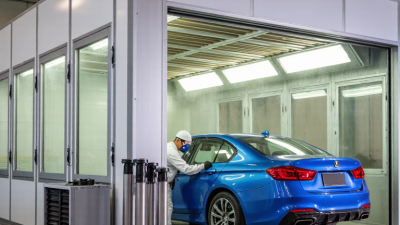
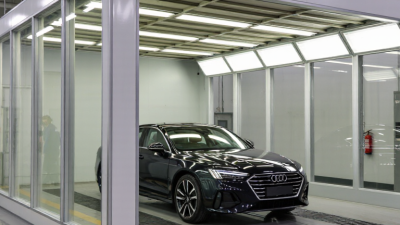
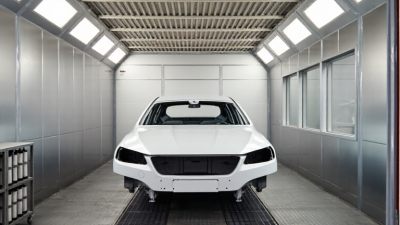
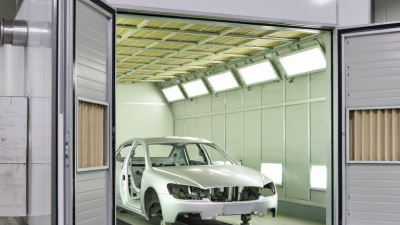
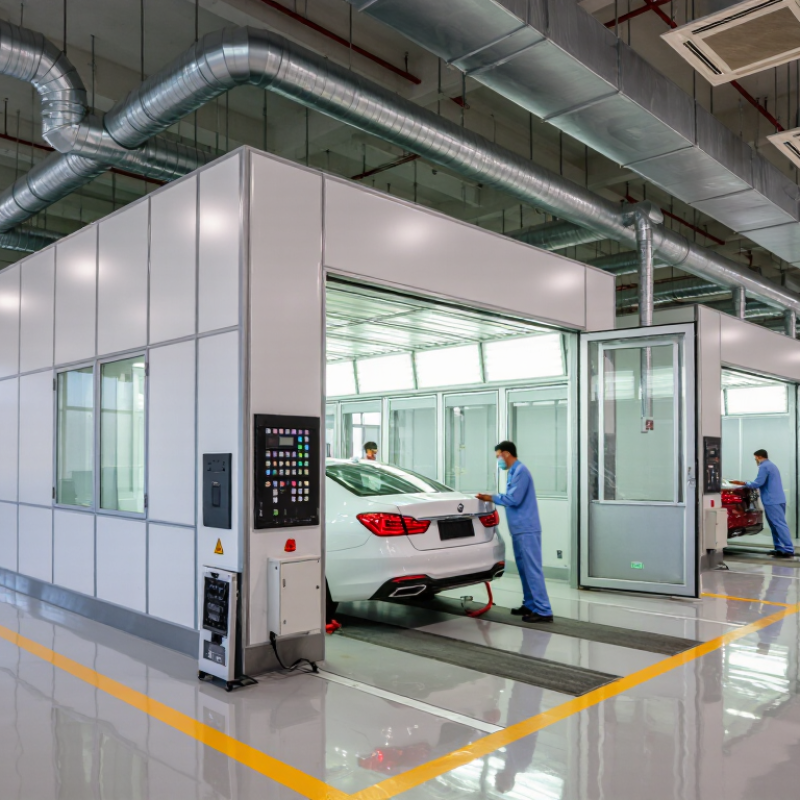
An automotive paint booth is a controlled enclosure where vehicle surfaces are coated and dried. It manages airflow, filtration, lighting, and, in many designs, temperature. The aim is to limit dust and overspray while helping paint cure consistently. A clean finish matters.
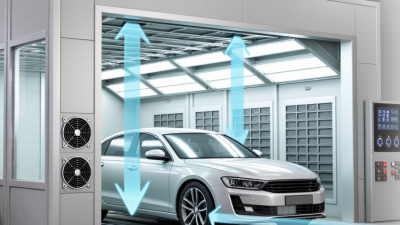
During spraying, filtered air moves through the work area and carries airborne particles toward exhaust filters. Even lighting helps technicians spot thin coverage, runs, or uneven color. Heating can support drying, but settings must suit the coating and vehicle parts. A booth cannot fix poor surface preparation.
The industry scope includes booths for vehicle factories, collision-repair workshops, and commercial-vehicle refinishing. Designs vary in size, airflow direction, heating method, and installation needs. For buyers comparing Chinese manufacturers, practical questions include filter access, airflow testing, energy use, safety controls, and after-sales support. Ask how performance is verified, not only what a brochure promises. Still, no booth fits every shop. A small repair facility may value flexible scheduling and easy maintenance, while a production line needs repeatable process control. Choosing by price alone can leave costly gaps.
Criteria for Selecting Automotive Paint Booth Manufacturers in China
Choosing an automotive paint booth manufacturer in China starts with process fit, not catalogue size. Ask how the booth accommodates your vehicle dimensions, coating schedule, and expected daily throughput. Airflow matters. Request measured air-speed data, filter specifications, and a clear explanation of pressure balance. A supplier should explain how airflow is tested across the work area, not simply quote a fan rating. Check heating options, temperature-control accuracy, and energy use under realistic operating conditions. Small details count: door seals, floor grates, lighting placement, and access for filter changes.
Evaluate manufacturing and service evidence before comparing prices. Review drawings, component lists, inspection records, and commissioning plans; clarify what installation includes. Request a live factory walkthrough or recent project references for booths with similar capacity. Look for training materials, spare-parts availability, and response times stated in writing. Clear answers matter. If a quotation omits ducting, foundations, or electrical requirements, compare the full installed scope instead. Consider whether your technicians can operate the control interface without relying on remote support. No supplier is perfect. I would treat vague performance promises as a reason to ask for test conditions and acceptance criteria.
Profiles of 10 Leading Automotive Paint Booth Manufacturers in China
China’s automotive paint booth sector includes manufacturers with different strengths in engineering, fabrication, and project support. These ten profiles focus on the details buyers can verify, rather than treating a broad ranking as a universal verdict. A booth may look impressive in a showroom. Daily performance is harder to judge.
Each profile can examine booth dimensions, airflow design, filtration stages, heating options, and control systems. Practical questions matter: Can technicians reach filters safely? Does the layout fit the workshop’s vehicle mix? Are replacement parts and commissioning support clearly described? Drawings, equipment specifications, and service records offer stronger evidence than promotional claims alone.
The manufacturers also differ in how they handle custom projects, delivery schedules, and after-sales training. Buyers should compare energy use and operating conditions, not just purchase price. Ask for references from installations with similar workloads, then check what those customers actually operate. This comparison has limits; published information may not reveal performance across every season or shift. One detail is easy to miss: a well-designed booth still depends on correct installation and routine maintenance.
Key Technologies and Production Capabilities
Top 10 Automotive Paint Booth Manufacturers in China
Key Technologies and Production Capabilities
Manufacturers’ capabilities vary, so assess the engineering behind a booth, not just its exterior. Look for airflow simulations, balanced supply and exhaust systems, and documented temperature controls. Even airflow helps reduce dust settling on wet paint. Stable heat distribution supports repeatable curing. Ask for test reports, airflow diagrams, and sample readings from comparable installations. Numbers matter.
Production capacity also shows in how components are made and checked. A well-organized factory should explain panel forming, insulation assembly, wiring, and final commissioning. Inspect weld consistency, door seals, filter access, and duct interiors. These details affect maintenance and downtime. Ask about custom dimensions, spare filters, and technician training. A large output figure alone proves little. I would verify it with a factory visit or an acceptance test; schedules change, and brochures rarely show rework.
Tips: Request a clear scope covering airflow, heating, controls, installation, and service. Check performance under a realistic load. Compare measurements, not promises. Record open questions during inspection. One overlooked seal can become a recurring headache.
Applications, Safety Standards, and Purchasing Considerations
Automotive paint booths serve collision repair shops, vehicle factories, and fleet maintenance facilities. Each setting has different demands. A repair shop may need flexible bay dimensions, while production work often depends on consistent airflow and repeatable curing. Check the largest vehicle, spray-gun clearance, and daily workload before comparing equipment. A few centimeters can matter when doors open or technicians move around a vehicle.
Safety deserves close review. Ask for airflow data, filtration specifications, fire-protection provisions, and details about electrical components and emergency interlocks. Confirm that the proposed setup can meet applicable local building, fire, and workplace requirements; the supplier’s paperwork alone does not replace review by qualified local professionals. Inspect how filters are accessed and how maintenance is documented. Dust matters. A clogged filter can affect airflow and finish quality. Site conditions also count: ceiling height, exhaust routing, heat supply, and available power may change installation costs.
Tips: Request a written layout, operating-cost estimates, and maintenance intervals. Ask who handles commissioning and staff training, and whether replacement filters are readily available. If possible, inspect a comparable installation during operation. Listen for uneven fan noise and check whether the floor and doors seal properly. Do not choose on purchase price alone; energy use, service response, and downtime shape the real cost. Some specifications may look convincing on paper, yet still need independent technical review.
Automotive Paint Booth Safety: Lower Explosive Limits of Common Solvents
Values show approximate lower explosive limits (LEL) by volume in air. A lower LEL means a solvent vapor can enter its flammable range at a lower concentration. When evaluating a paint booth, consider the solvents used and verify ventilation and explosion-protection requirements against applicable codes and qualified engineering guidance. Reference: NIOSH Pocket Guide to Chemical Hazards.